A Small Nile Town With One Big Reason to Stop

Esna sits on the west bank of the Nile in Upper Egypt, a short ride south of Luxor. It is the kind of place that travellers tend to pass through rather than plan around, and that is part of its charm. The town moves at a slower pace than the big-name sites up and down the river, the waterfront feels lived-in rather than staged, and the main draw, the Temple of Khnum, sits in a sunken courtyard a few steps below the modern street level. If you enjoy places where ancient stone and everyday life brush up against each other, Esna rewards a deliberate stop.
The Temple of Khnum, Sunken and Colourful
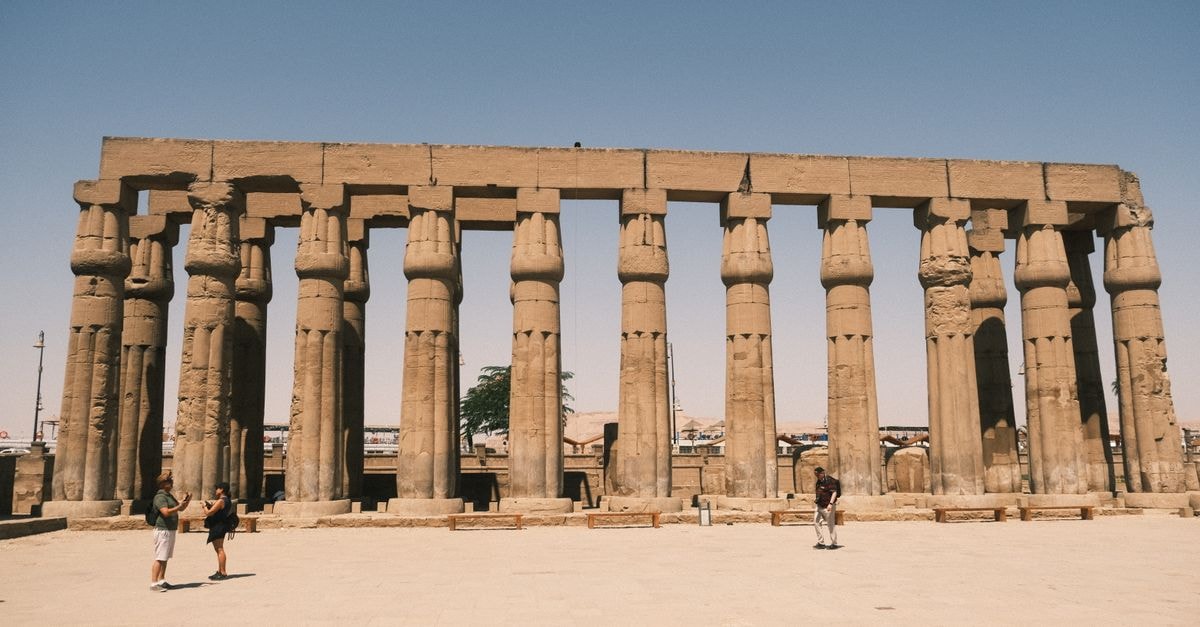
The single attraction that anchors any Esna visit is the Temple of Khnum, dedicated to the ram-headed creator god associated with the Nile's sources. What makes it memorable is not only its age but its condition. The temple features vividly painted columns and an astronomical ceiling, recently restored to reveal its original colours, so the hypostyle hall reads almost like a freshly uncovered work of art rather than a worn ruin. The columns are massive, each topped with unique patterns of floral and geometric capitals, and visitors regularly describe the experience of wandering among them as stepping into a pharaoh's world.
The temple is also where you will find some of Egypt's finest Ptolemaic and Roman period reliefs, layered into the same structure over centuries. Allow time to look up at the ceiling as well as around the walls; the restoration work has made the astronomical imagery legible in a way that older photographs of the site do not capture. Because the temple sits below modern street level, the approach itself adds to the sense of discovery: you descend a few steps and the contemporary town falls away behind you.
Walking the Streets as a Slow-Museum Experience
Esna is small enough that you can absorb a good portion of it on foot, and the act of walking through it is genuinely part of the visit. The streetscape layers old and new in a way that feels casual rather than curated, and it is easy to find yourself pausing at a market doorway or a Nile-side corner without a fixed agenda. One local-oriented travel description captures the mood well: walking through the streets today feels like walking through history, with ordinary daily life continuing alongside stonework that has been there for centuries.
Because the town is compact, a relaxed visit can comfortably include the temple, a wander along the corniche, and time to sit by the river without rushing. Esna is also regularly described as a hidden gem along the Nile for travellers craving authentic ancient Egyptian vibes with fewer crowds, which is a useful frame if you are deciding whether to break your Nile cruise or day plan here at all. If you prefer quiet, atmospheric sites over large-scale temple complexes, the town will feel like a find.
Weather and Seasonal Context
Esna has a dry desert climate, and the temperature swings between summer and winter are significant. Very hot summers transition to pleasant winters, while the area maintains a dry climate with very low precipitation levels year-round. There is essentially no rainy season to plan around, so weather is more about heat management than about dodging storms.
For most of the warm season, the practical rhythm is straightforward: mornings and late afternoons belong to outdoor sites like the Temple of Khnum, while the middle of the day is better spent in shade, at a café, or indoors. Lightweight clothing, sun protection, and water are the basics. In cooler months, the same itinerary feels much easier, and longer walks along the Nile become comfortable. Because precipitation is minimal in any month, you rarely need to build rain contingencies into a day here.
Getting Around and Planning Logistics
Esna is an Egyptian town in the region of Upper Egypt, which is useful to keep in mind when planning connections: most travellers arrive as part of a Nile cruise itinerary or via overland routes from Luxor to the north. The town itself is walkable for the central area where the temple and corniche sit, and you do not need a complex transport plan once you are there.
Accommodation is generally based in nearby Luxor rather than in Esna itself, with options there including full-service properties with spas, multiple restaurants, and bars or lounges. A typical example seen on booking platforms is a luxury hotel in Luxor priced around $105 total per night for a short stay. Treat any such figure as a reference point from a single listing rather than a fixed rule: room rates change with season, demand, and availability, and you should always confirm the live price, taxes, and fees on the booking site before committing.
For on-the-ground exploration, a few practical notes help. Esna Routes is a locally branded tour concept that invites travellers to embark on a journey that goes beyond the ordinary, which is a useful prompt that guided or themed local routes are available if you prefer not to plan every detail yourself. If you are arriving by cruise ship, the existing Esna Cruise Port Guide covers what to expect, things to do, and basic planning tips at the dock. Footwear matters more than people expect: temple floors are uneven, and the descent into the Khnum complex includes steps that are easier in shoes with grip than in smooth sandals.
What to Keep in Mind Before You Go
A few details are worth checking before you travel, because they can shift between booking cycles. Currency and exchange rates move, so treat any cost you see online as a reference rather than a guarantee and check the live rate before exchanging money or paying. Temple opening hours, ticket procedures, and any ongoing restoration access can also be adjusted by local authorities, so confirm them through an official channel close to your visit. Finally, if you are combining Esna with a Nile cruise, double-check the dock and boarding logistics with your operator, since river itineraries are sensitive to water levels and sailing times.
Factual travel conditions can change, and details such as prices, schedules, and access rules should always be verified through official or up-to-date sources before departure.
Share this article
TOOLS FOR THIS PLAN
Make the Esna plan measurable
Choose a tool only when it answers the next question in your trip. Your values stay in the browser, and each tool offers a route back to this planning context.