A quiet Upper Egypt stop with deep historical layers

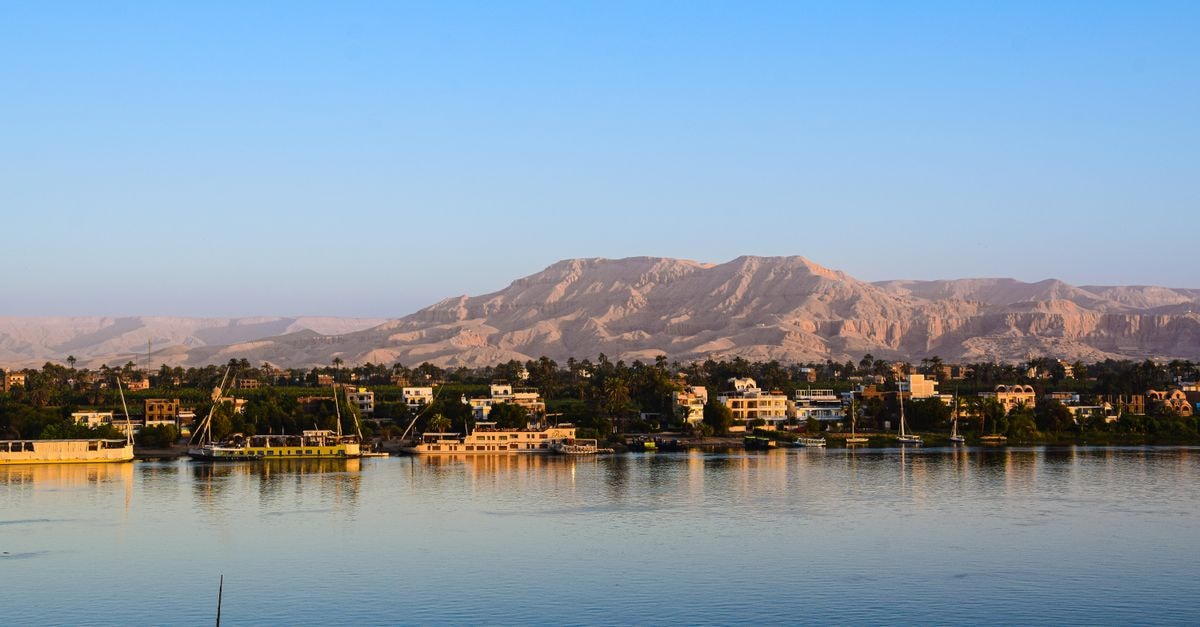
Sohag sits along the Nile in Upper Egypt, and that single fact does a lot of work in setting the mood of any visit. The river is the spine of the city, the long thread that ties life in Upper Egypt together, and the reason Sohag has been a settled, traveled place for centuries. It is described in travel literature as a vibrant Upper Egyptian city with a rich cultural heritage and clear archaeological significance, a framing that hints at why people detour here in the first place rather than rushing south.
For independent travelers who like places that feel rooted in geography rather than tourism, Sohag offers something the bigger Egyptian cities rarely do: a sense of breathing room. The pace is slower, the Nile is close at hand, and the daily rhythm is shaped more by locals going about their lives than by tour groups. If your travel style leans toward cultural depth, ancient history, and the texture of a working provincial city, this is a corner of Egypt that rewards unhurried curiosity.
Weather and seasonal context
No specific temperature, rainfall figure, or hourly condition is documented in the evidence reviewed for this guide, so this section focuses on how the climate generally shapes a visit rather than on numbers. Sohag is in the hot arid belt of Upper Egypt, and the heat can feel intense through the middle of the day for much of the year. Many travelers find that mornings and the later afternoon stretch along the Nile are the most comfortable windows for walking, exploring outdoor sites, and taking photographs, while the noon hours are better spent indoors, at a café, or simply pausing.
Because the city is built around the Nile, the waterfront tends to feel a touch more breathable than the inland streets, and that river breeze is one of the small pleasures of spending time here. Lightweight clothing, sun protection, and a steady supply of water are sensible companions on any outing, and pacing the day around the heat rather than against it is the most realistic approach. If you are sensitive to heat, plan the heaviest outdoor activity for the cooler edges of the day, and keep midday flexible.
The same climate logic applies in reverse when nights cool: a light layer can be useful after dark, especially on the river in any season that swings from hot days to cooler evenings.
Getting around
Sohag is described in travel references as a city in Middle Egypt, and like much of provincial Egypt, it rewards travelers who plan movement rather than improvising it. Getting around is generally understood to revolve around the standard Upper Egyptian mix: short taxi rides for crossing the city, walking where the distances allow it, and onward connections along the Nile corridor for anyone linking Sohag with other destinations in the region.
For travelers flying in, the practical entry points used by visitors to Upper Egypt tend to involve airports with ground transfer services that can pick up at the airport or at a hotel. Booking any such transfer in advance is a common-sense move, since it removes the friction of negotiating onward travel after a long journey. Inside the city, giving yourself a buffer of time for traffic is a small habit that pays off, as is carrying small change for short rides.
Attractions and planning
The most honest way to describe Sohag's attractions is this: it is a destination for travelers interested in ancient Egyptian history, with a heritage and archaeological weight that is mentioned repeatedly in general travel references. The city sits in a part of the Nile Valley where ancient sites cluster, and Sohag is positioned as a cultural heritage stop rather than a packaged resort town.
What that looks like in practice is unhurried exploration. Independent travelers tend to use Sohag as a base for slow sightseeing, sometimes linking a day of sites with an evening along the river. Sohag Stadium shows up in visitor listings as a recognized landmark in the city, which is a useful reminder that Sohag has a contemporary civic life too, not only an archaeological one.
Planning wise, the practical approach is to decide what kind of visitor you are before you arrive. If you are a history-first traveler, anchor your days around the heritage angle and let the river and city life fill the rest. If you are a slower-paced traveler who enjoys walking, eating, and watching local rhythm, anchor your days around the Nile and treat the historical layer as the deepening focus. Either approach works, because the city is compact enough to absorb both.
A small but important planning point: the sources reviewed do not document specific opening hours, ticket prices, or reservation requirements for individual sites, so any checkable detail should be confirmed locally or through official channels before you commit to a plan. Treat anything you read about hours, fees, or booking needs as something to verify rather than as a fixed promise.
Food and local context
There is no city-specific dish, restaurant, or market documented in the evidence reviewed for Sohag, so this section stays at the wider Egyptian level: the kind of food culture visitors are likely to encounter while spending time in the country, including in a provincial city like Sohag.
Egypt is also known for warm hospitality, colorful festivals, and a cuisine that blends regional traditions, and these are the kinds of experiences that often surface in everyday interactions rather than in a curated itinerary. For travelers in Sohag, that means the most rewarding food moments may come from accepting invitations, stopping at a busy local spot rather than a quiet tourist address, and letting the city set the menu.
A practical reminder: dietary preferences, allergies, and spice tolerance are worth thinking about in advance, since Egyptian home-style cooking can be richer and more seasoned than visitors expect. Asking before ordering, and following the lead of locals at any shared table, is the easiest way to enjoy the experience comfortably.
Safety and general awareness
General travel references describe the safety situation in Sohag as moderate, with the usual caution expected in an Egyptian provincial city. The kinds of risk most often mentioned for this kind of setting are petty crime and traffic dangers, both of which are easy to reduce with simple habits: keep valuables out of sight, be deliberate at intersections, and avoid protests or isolated areas at night.
The single most useful safety habit in Sohag is the same one that serves travelers anywhere along the Nile: stay aware of your surroundings, especially after dark near quieter stretches of the river, and favor well-lit, populated routes when walking at night. Local advice from your accommodation is often the most current source for any temporary changes to the security picture, so a short check-in on arrival is well worth the time.
Planning notes for an independent visit
A few evergreen planning notes tie the themes above together. First, treat the heat and the rhythm of the day as part of the itinerary rather than an obstacle to it. Second, give yourself more time to move around the city than you think you will need, since traffic and informal stops add up. Third, keep your schedule loose around the things you cannot verify in advance, like site opening hours or service availability, and lock in only what you have confirmed. Finally, lean into the fact that Sohag is a provincial Upper Egyptian city, not a resort, and the rewards of visiting come from the texture of daily life along the Nile as much as from any single attraction.
Travel conditions, opening details, and on-the-ground logistics can change, so confirm any checkable detail through official channels and local contacts before departure. Factual travel information evolves, and a quick verification step before you go is the simplest way to keep your plans accurate.
Verification note
The factual points in this guide are drawn from approved travel references covering Sohag, Upper Egyptian regional context, and wider Egyptian cultural background. Specific prices, opening hours, weather numbers, and ticket details were not available in the evidence reviewed, so they have been intentionally omitted rather than estimated. Readers should confirm any checkable detail through official sources before acting on it.
Share this article
TOOLS FOR THIS PLAN
Make the Sohag plan measurable
Choose a tool only when it answers the next question in your trip. Your values stay in the browser, and each tool offers a route back to this planning context.