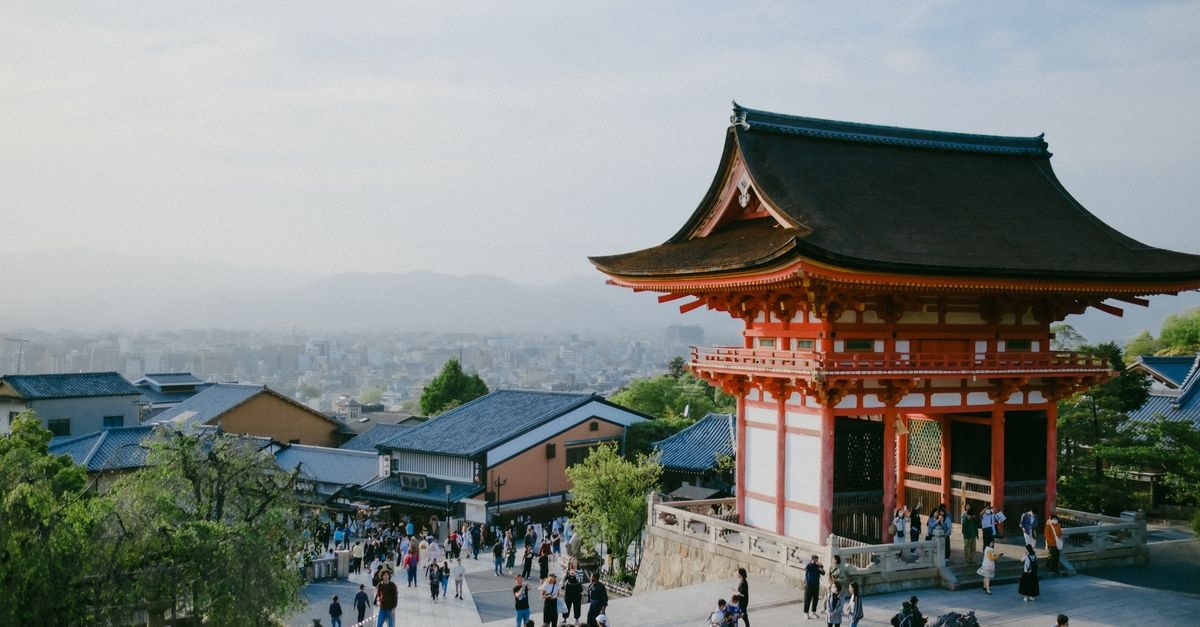
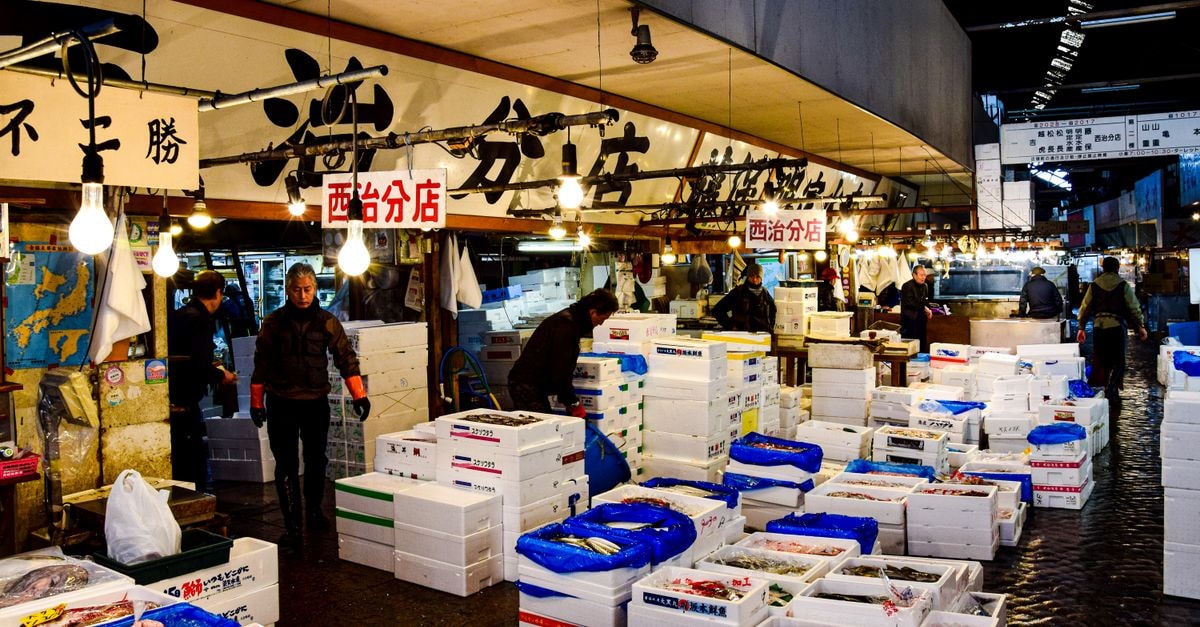
A first impression of Morioka

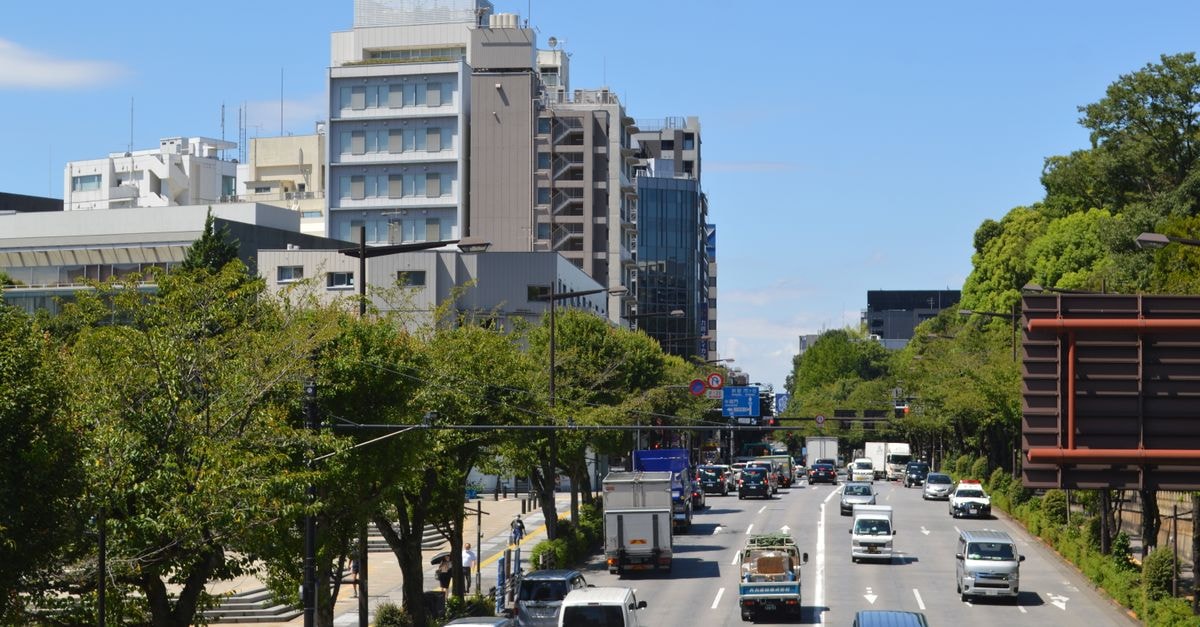
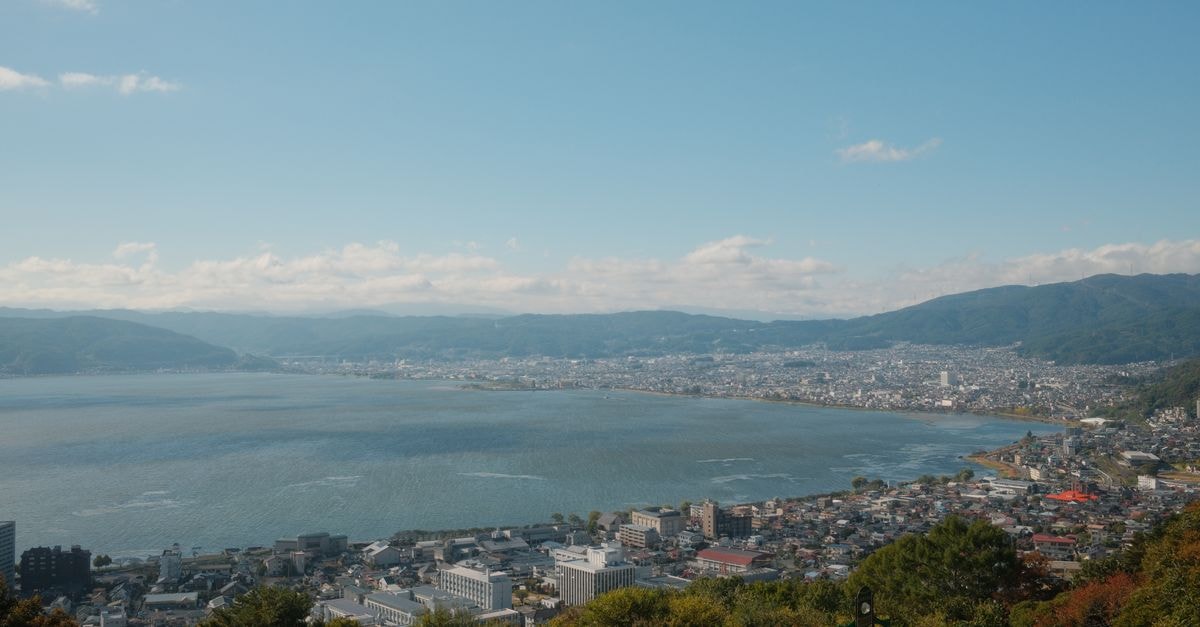
Tucked into the bowl of mountains that defines Iwate Prefecture, Morioka has the unhurried feel of a city that takes its time. Visitors often arrive expecting a quick stop on the way to somewhere else, then find themselves slowing down once they're here — wandering the broad green spaces that ring the old castle grounds, ducking into low-key noodle shops, and noticing how the pace of conversation at the next table seems to match the river that runs through the center of town. The city rewards travelers who treat it as a destination in its own right, not a transit point.
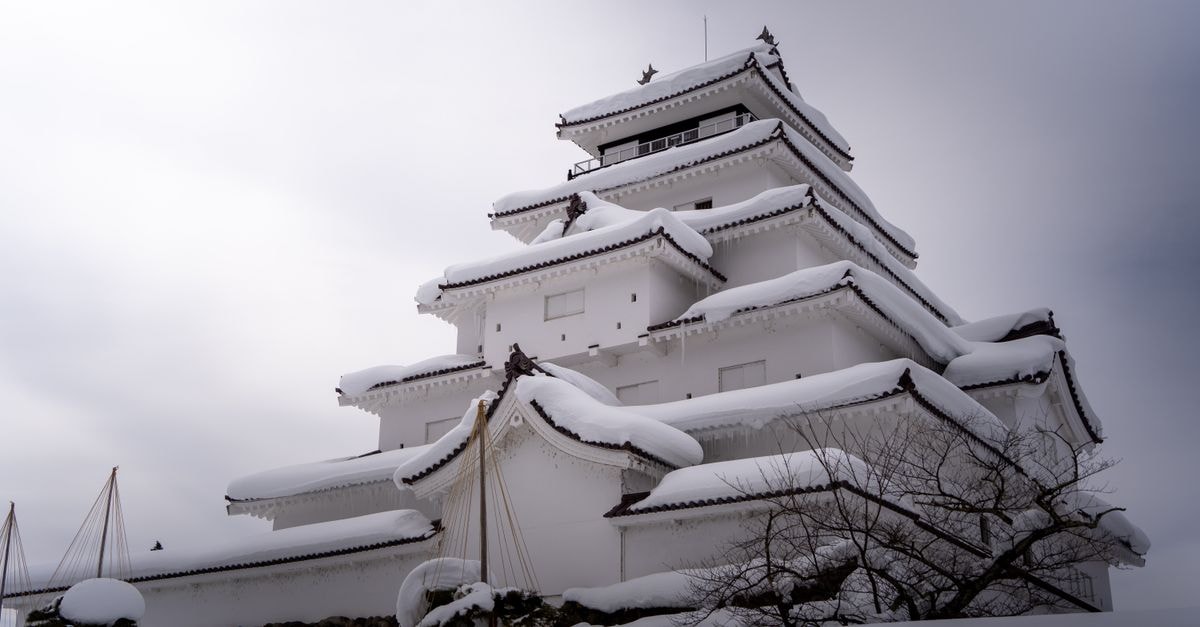
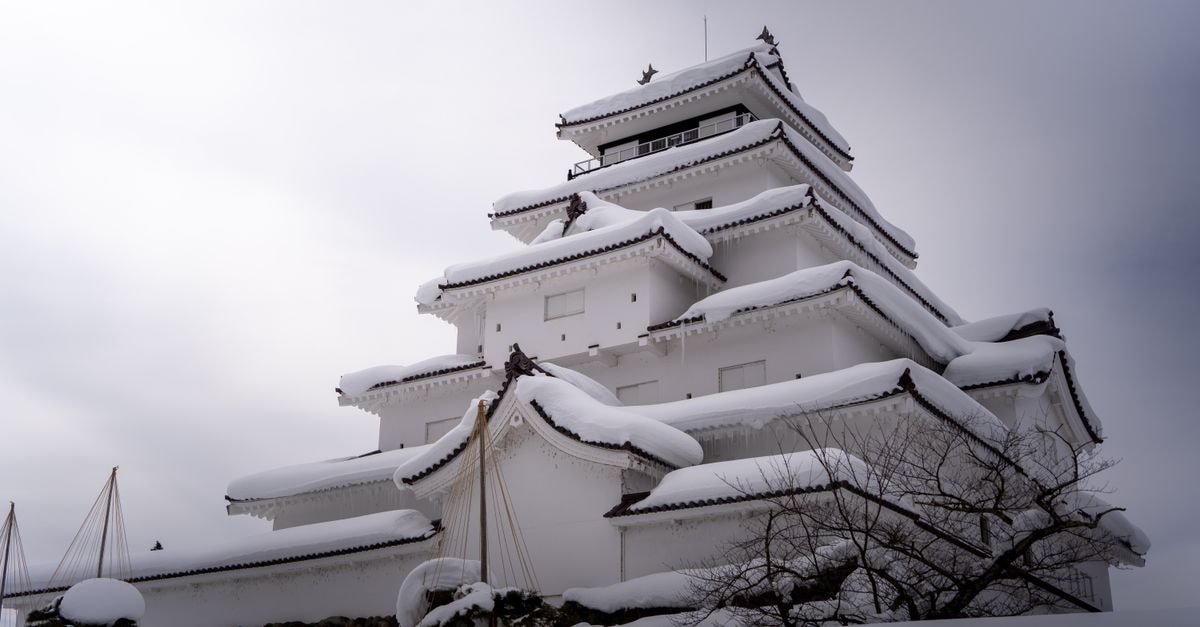
What makes Morioka memorable, beyond its setting, is a kind of culinary confidence that punches well above its size. The phrase you'll hear repeated in food writing and conversation alike is that Morioka has more interesting food culture per capita than almost anywhere else in Japan — a bold claim that locals seem to wear lightly, as if it were simply a fact of life. That reputation rests heavily on a trio of noodle dishes that any visitor will quickly encounter in guidebooks, menus, and casual recommendations from shopkeepers. Beyond food, the city offers a compact, walkable historic core anchored by the ruins of Morioka Castle and Iwate Park, where a distinctive modern museum building invites a closer look at the region's story.
This guide leans into that slow-travel feeling. It's built around the practical moves — how to arrive, how to move around once you're here, where to focus your curiosity, and how to approach the famous noodle circuit — without rushing you through a checklist.
Getting around
For the historic core itself, walking is genuinely practical. The castle-park area, the museum, and several of the well-known noodle neighborhoods all sit close enough together that a determined visitor can connect them on foot, with the bus as a backup on tired legs or a rainy day.
Attractions and planning
The museum itself is home to a wealth of information about Morioka's culture, framed in a building whose architecture stands apart from the traditional structures around it. For travelers trying to anchor the city's story — its castle-town past, its role within Iwate, its place in the wider Tohoku region — the museum and the surrounding park together provide a useful starting point. From there, it's easy to wander outward toward the river and the older streets where many of the noodle shops cluster.
A practical note: because this guide is written to be evergreen, it deliberately avoids recommending a specific number of hours for the museum or pinning the visit to a particular timetable. Check the museum's official channels before you go for the latest opening hours and any temporary closures.
Food and local context
Morioka's food identity is dominated by what locals simply call the Three Noodles — three distinct dishes that the city has spent decades refining. If you've traveled elsewhere in Japan, you're probably used to cities that stake their reputation on a single signature dish. Morioka takes a different approach, building an entire culinary identity around a trio rather than a single plate.
The wider context here is that noodle culture across Japan is famously regional and fiercely local, and Morioka's three-dish claim is very much a city-specific expression of that national tradition. Visitors approaching the city from other parts of Japan may notice how the noodle-shop culture here feels concentrated and proud — almost a quiet rivalry between the three styles, each with its own devoted regulars.
The most useful framing for a first-time visitor isn't a checklist but a rhythm. Treating the three noodle dishes as a single mechanical mission to tick off in one day tends to flatten the experience; pacing them across your stay — perhaps one per meal, or spread over separate half-days — tends to reveal flavors, textures, and small differences in atmosphere that faster travelers miss. Travelers who follow that slower tempo often come away understanding why Morioka people are proud of these dishes, rather than viewing them only as a novelty to photograph.
A few practical thoughts, without naming specific shops or pricing: the three styles tend to be served in different types of establishments, and queueing norms vary. Asking locally — at your hotel, at the museum information desk, or simply at the counter of wherever you're eating — is usually the fastest way to find a good fit for the time of day and your appetite. The same goes for opening hours and whether a particular shop accepts reservations; those details shift, and the most reliable answer always comes from the source itself.
If you have room in your schedule beyond the noodles, Morioka's broader food culture is worth exploring on its own terms. The reputation that this small city carries for its per-capita food density is real to locals, and even a short walk through the older neighborhoods will turn up sake shops, sweet shops, and small restaurants that hint at a deeper layer.
A note on staying grounded
A short practical reminder before you set off: the train, bus, museum, and noodle-shop details in this guide are accurate to the sources used here, but travel conditions — timetables, opening days, reservation norms, and the lineup of shops currently open — change. Treat this piece as a starting framework rather than a live confirmation, and check official channels close to your travel date for anything that affects a booking or a timed visit. Morioka rewards a little preparation paired with a willingness to let the city set the pace.
*Factual travel conditions can change; confirm schedules, opening hours, and any reservations with official sources before departure.*
Share this article
TOOLS FOR THIS PLAN
Make the Morioka plan measurable
Choose a tool only when it answers the next question in your trip. Your values stay in the browser, and each tool offers a route back to this planning context.