A First Look at Sendai

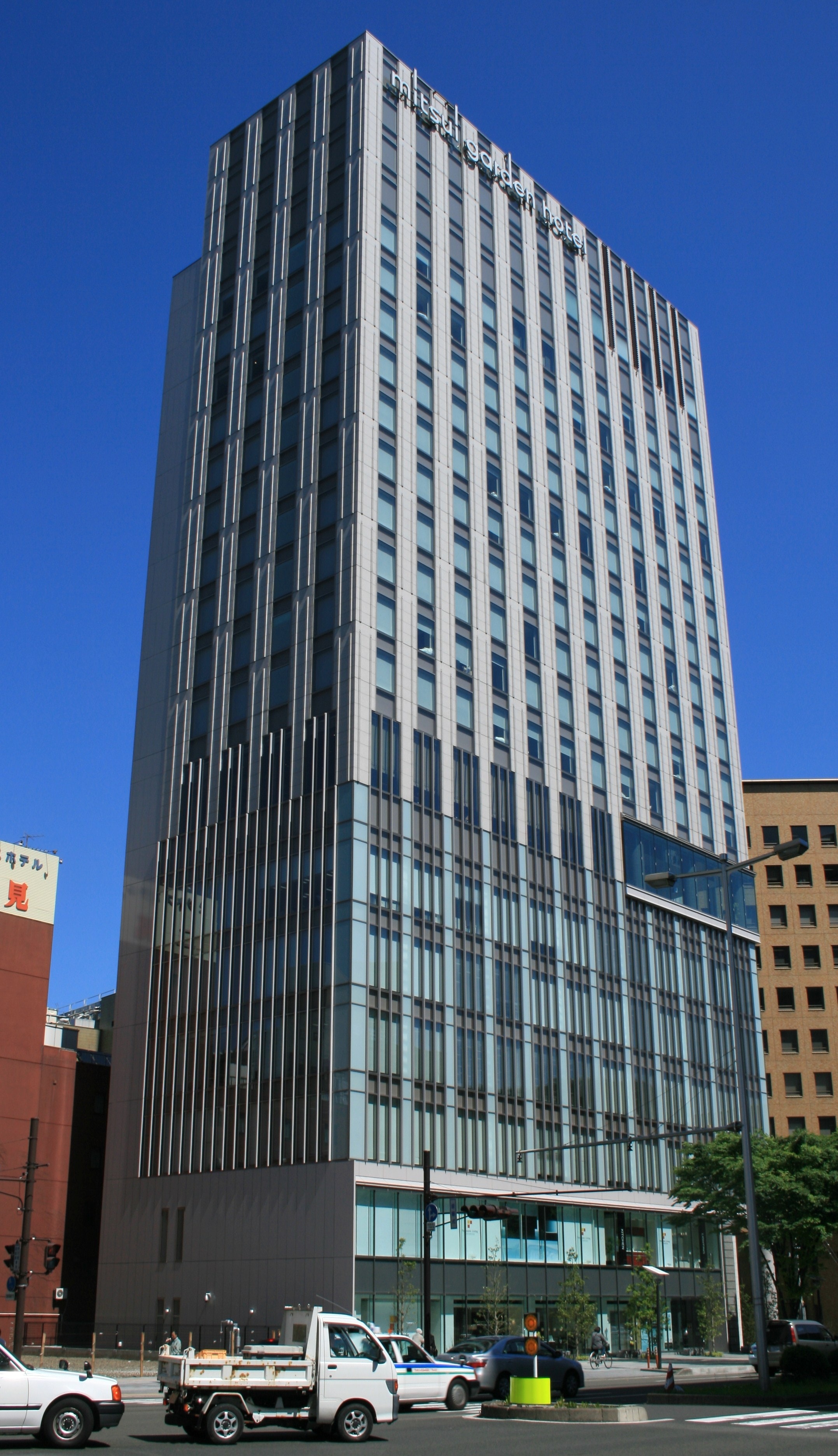
Sendai is often called the gateway to the Tohoku region, a stretch of northeastern Japan with its own deep sense of place. For travelers stepping off a train or a plane, the city feels both welcoming and easy to read: a compact center anchored by a busy station, leafy avenues that branch out from there, and a culinary reputation that quietly draws food lovers from across the country.
The rhythm of a Sendai visit tends to be gentle. Strolls along wide, tree-lined streets pair naturally with a slow meal of regional specialties, and the city's geography makes it a natural base for travelers curious about more of Tohoku. What follows is a grounded look at how to move around, where to spend your time, and what the local table looks like, all based on directly relevant city-level information.
Getting Around
Sendai is well served by rail, and the rail network is the most natural starting point for any visit. Four main JR lines run through Sendai City, which means that whether you are arriving from elsewhere in Tohoku or simply trying to understand how the city is laid out, the train map is a useful first reference. JR Sendai Station sits at the heart of this network, functioning as the central pivot for both local movement and longer journeys outward.
If you already have a clear travel plan, the rail lines alone can carry you efficiently between the places you want to see. For travelers who prefer a more curated route through the city's main sights, the Loople Sendai sightseeing bus is designed to complement a set itinerary. Combining the bus with JR rail can make a trip more efficient, since a clear plan paired with the bus streamlines the day's movement while the train handles the broader city-to-city and regional connections.
Arriving by air is equally straightforward. The Sendai Airport Access Line connects Sendai Airport directly with JR Sendai Station, so the transition from terminal to train platform is smooth. Sendai Airport Station is even linked to the second floor of the airport terminal by a covered passageway, which removes the stress of stepping outside with luggage, even on rainy days. For most travelers, this single rail line is the most comfortable way to begin or end a trip.
Attractions and Planning
A good way to think about Sendai's attractions is in layers. The city rewards both visitors who want a packed sightseeing day and those who would rather linger in a park or a quiet avenue. A useful frame is to plan around one or two anchors and let the rest of the day unfold around them.
One of the most beloved seasonal moments described in city guides is the late-April to early-May window, when cherry blossoms line Jozenji-dori and Tsutsujigaoka Park. Travelers who time their visit to overlap with that period can experience a softer, more floral side of the city. For those visiting outside that window, the same streets and park remain pleasant places to walk.
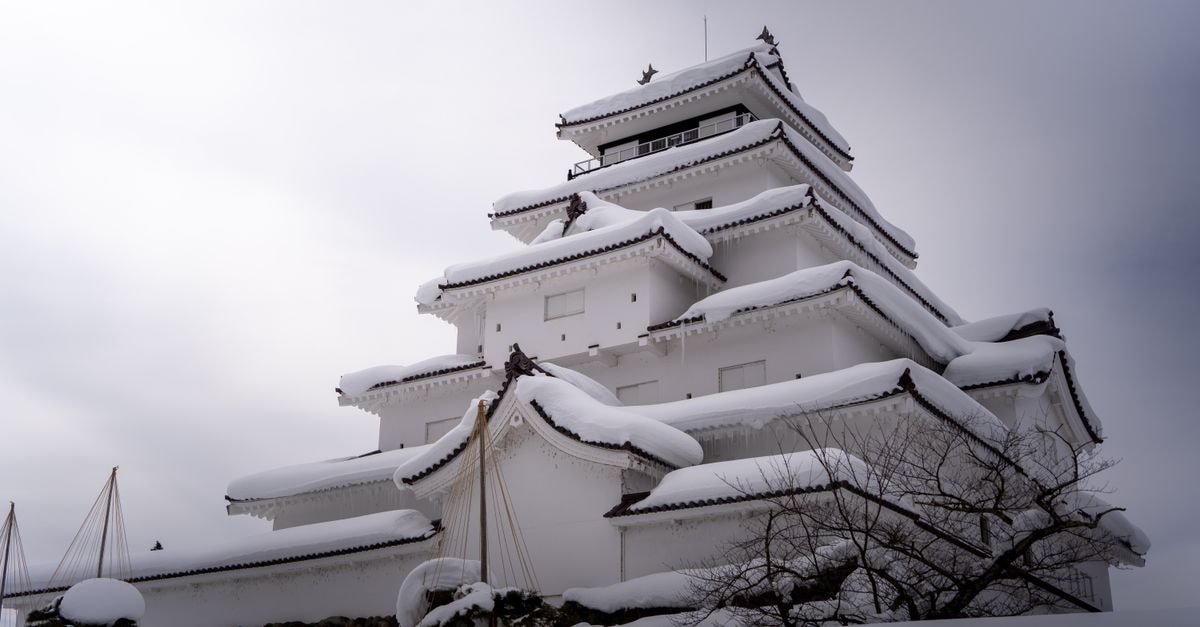
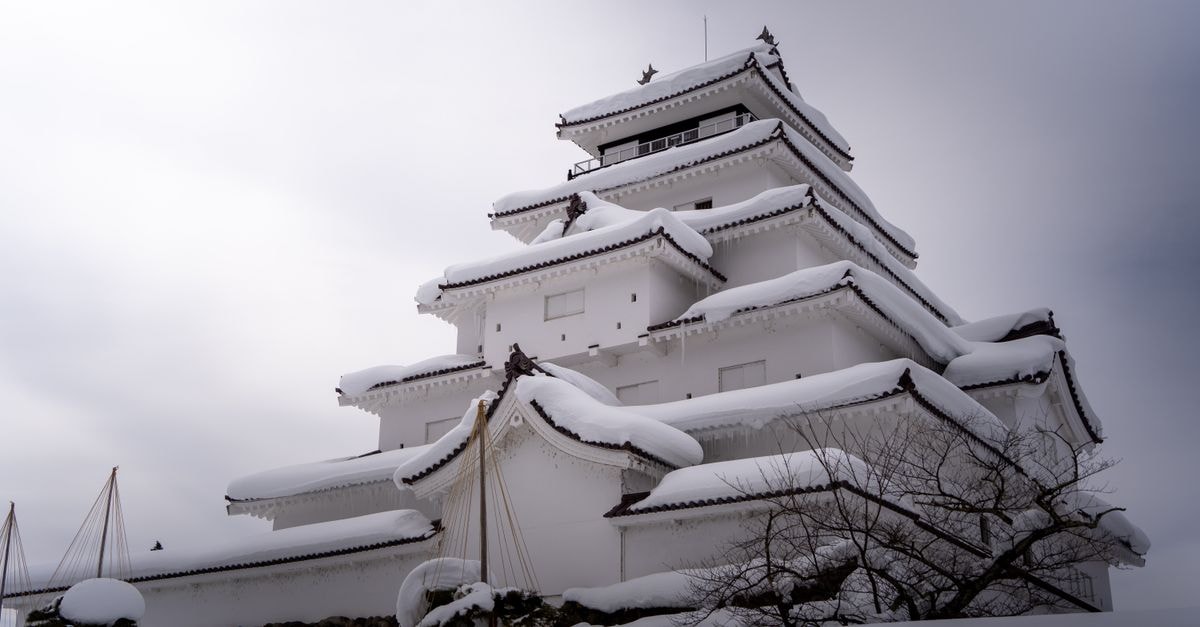
For a panoramic sense of place, the hilltop site of Sendai Castle Ruins, sometimes called Aoba Castle, is hard to beat. From this elevated position, downtown Sendai spreads out below, and on clear days the Pacific Ocean is visible in the distance. It is the kind of vantage point that helps orient a first-time visitor, giving a literal overview of how the city sits between mountains and sea. Pairing a visit to the ruins with a walk through the surrounding greenery is a natural way to spend a half-day.
When planning a route, it helps to remember that Sendai's main sights are spread along corridors rather than clustered in a single neighborhood. The rail and bus options above are designed precisely for this layout, and choosing two or three anchors in advance tends to make the day feel calmer than trying to chase every listing on a map.
Food and Local Context
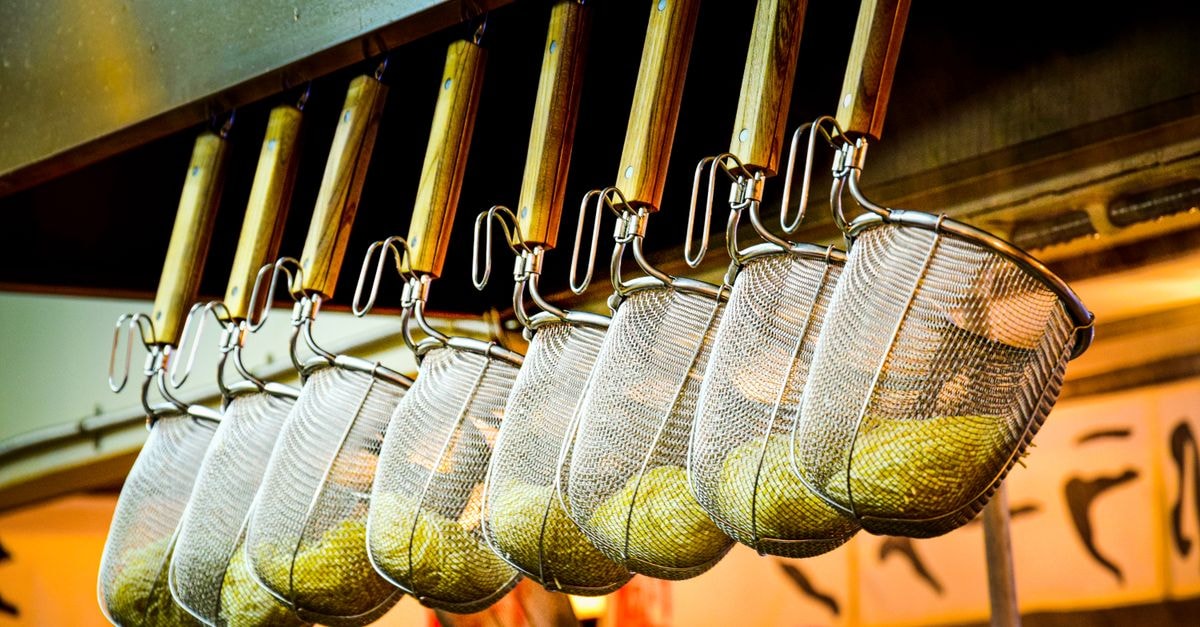
Food is one of the most enjoyable ways to get to know Sendai, and the city has built a strong reputation as a culinary capital of the broader region. Sendai is often described as Tohoku's gateway city, and its food scene reflects the kind of ingredients and preparations the surrounding area does best.
Within Miyagi Prefecture, the wider food culture is centered around Sendai, which means visitors can expect a particularly rich expression of regional cooking here. That said, it is worth remembering that food culture across Japan varies by region, and Sendai offers its own distinctive take rather than a generic nationwide menu.
Rather than chasing a checklist, the most rewarding approach is to settle into a few longer meals and let the kitchen guide you. Sendai's table is built around seasonality, hearty preparation, and a pride in local producers, all of which become apparent the moment you sit down.
A Note Before You Go
Factual travel conditions can change, and details such as train schedules, bus routes, airport access, attraction access, and seasonal bloom timing should be confirmed with official sources before you set out. Local tourism offices, JR East, the Sendai Airport Access Line operator, and the venues themselves are reliable places to verify the latest information. A little up-front checking tends to make the actual trip feel much smoother.
Finally, currency exchange rates fluctuate, and any reference figures are only a snapshot in time. If you budget in your home currency before traveling, treat the conversion as a general guide rather than a fixed number, and check the live rate closer to your trip.
Share this article
TOOLS FOR THIS PLAN
Make the Sendai plan measurable
Choose a tool only when it answers the next question in your trip. Your values stay in the browser, and each tool offers a route back to this planning context.