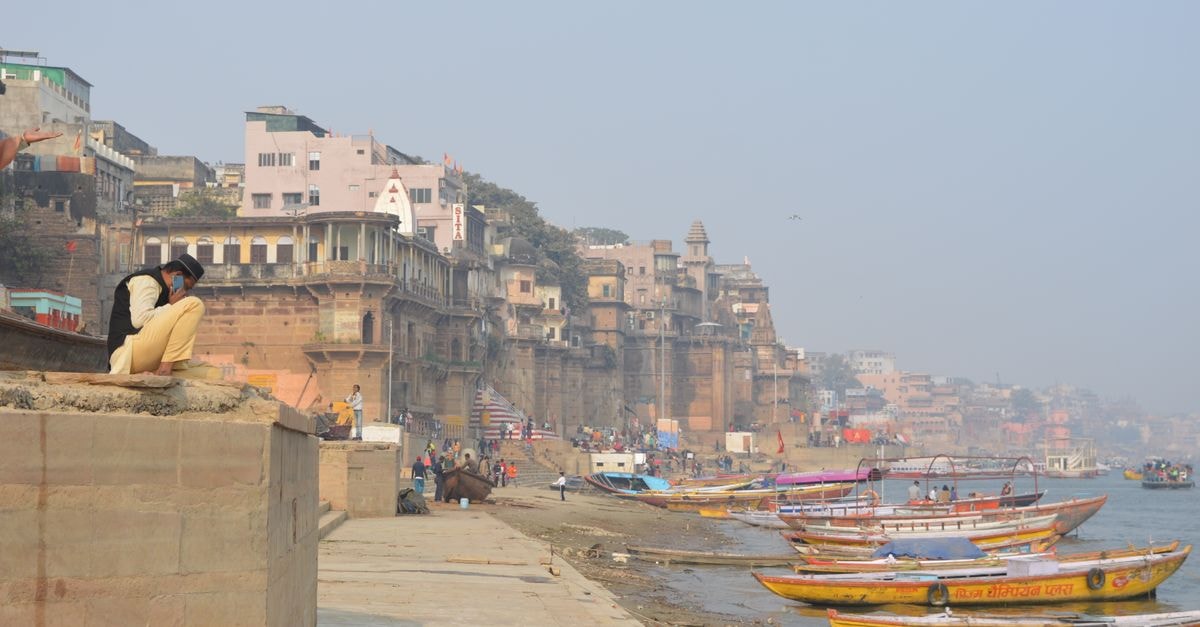
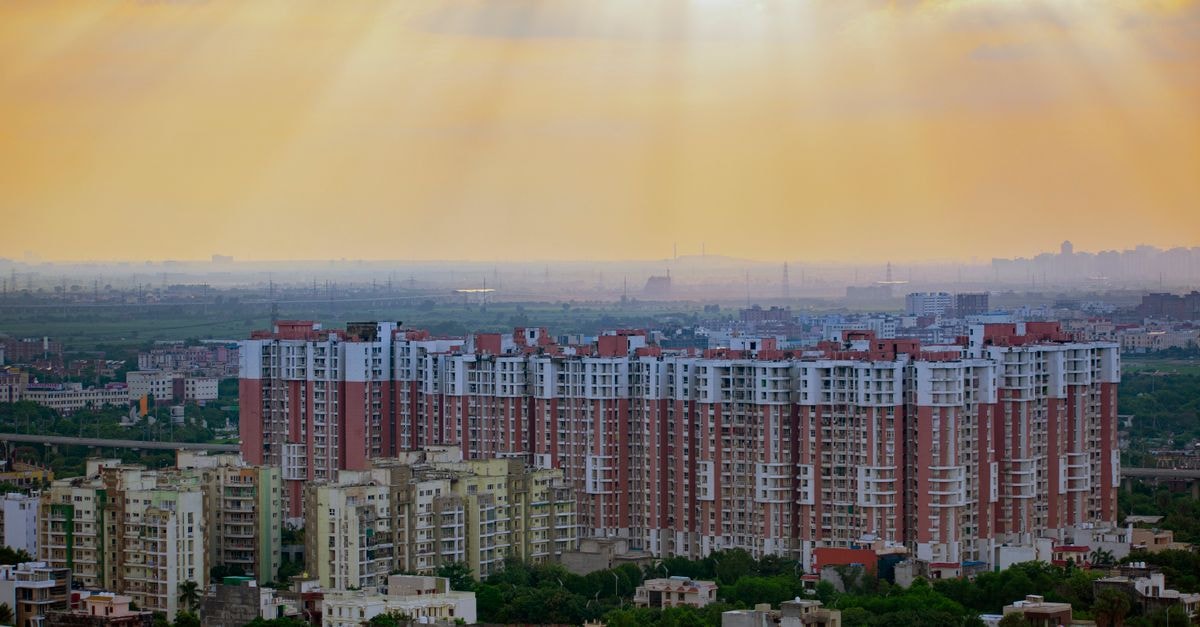
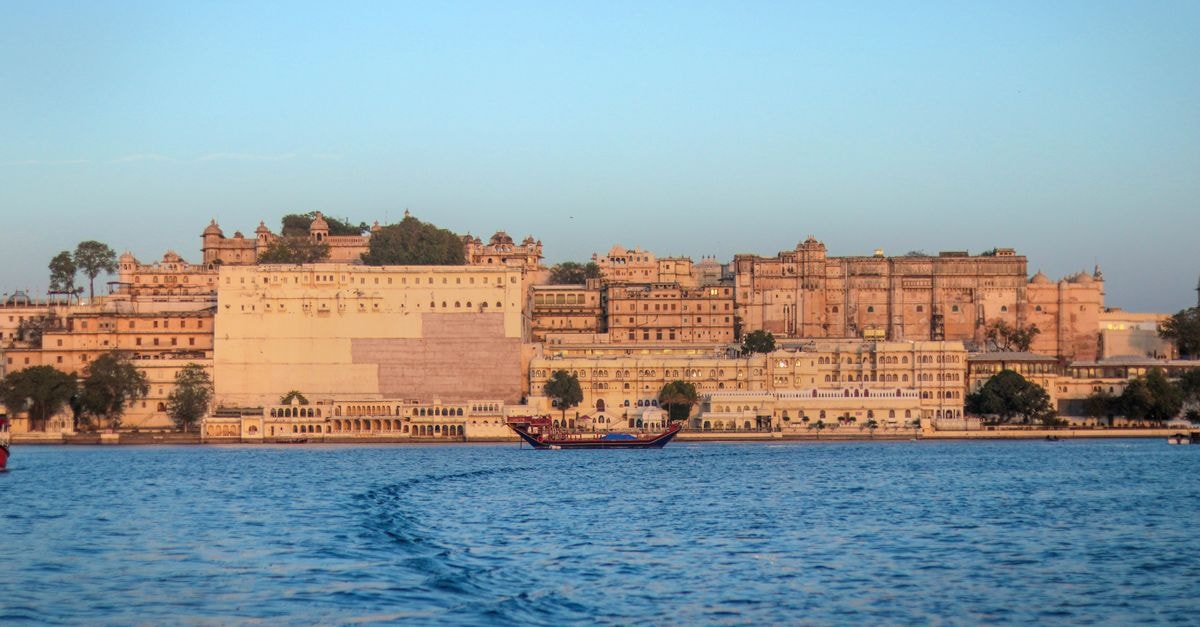
A city caught between past and present
Anantapur has the feel of a place that is quietly rewriting itself. Set in the heart of Andhra Pradesh, it is described as a city that is "pacing towards modernity and development, while continuing to guard its age-old traditions and the rich heritage of its momentous history," forming "a perfect meeting point of the past and the present" (F1-1). The same overview captures it as an emerging technological hub in the state, where "rapid development" is reshaping daily life (F1-2). For visitors, that balance is part of the appeal: you arrive in a working district rather than a museum-piece town, and the heritage sits comfortably alongside the new.
This guide collects what is reliably known about Anantapur in a way that helps you plan around its character, not against it.
Weather and seasonal context
Anantapur sits firmly in the semi-arid belt of Andhra Pradesh. Travel references describe it as a region "known for its arid climate" and "characterized by its diverse landscapes, from rocky terrain to fertile plains" (F2-1, F2-2). That mix is part of what gives the district its visual texture: dry, sun-bleached stretches interrupted by greener pockets around water and settlements.
For travelers who prefer gentler conditions, the city is also flagged for its blend of "modern development and traditional culture" (F2-1), which means there is enough indoor and shaded variety, including temples and built landmarks described below, to anchor a slower-paced day.
Attractions and planning
Anantapur's sightseeing leans heavily on two themes: historic forts and devotional sites.
A well-known description of the fort in the city calls it "a warrior of ages old," adding that "the fort, which is primarily in ruins now, was once unbeatable" (F4-1). For travelers who enjoy looking at layered history, the ruin itself is the reward: weathering stones that hint at former defensive scale. The same overview of the area notes that it "is home to a number of well-known temples" (F4-2), giving visitors a natural pairing for a heritage-focused day.
One specific pilgrimage site tied to the district is Kasapuram, identified as "the home of Nettikanti Veera Anjaneya Swamy's temple" and tied to a striking description of the deity as "son of the Wind God" (F3-1). Travel commentary also notes that "a large number of Hindu pilgrims from the districts of Anantapur, Bellary, and Kurnool travel to Kasapuram to worship," which signals both its regional draw and the kind of devotional atmosphere visitors will encounter (F3-2). Travelers with a particular interest in living religious sites rather than purely architectural ones may find Kasapuram especially rewarding, while those who prefer monumental ruins will gravitate toward the fort.
Across these attractions, the city's broader framing as "ideal for both history and nature lovers" (F6-1) suggests there is no single type of traveler who arrives here. The variety of landscapes described as ranging "from rocky terrain to fertile plains" (F2-2) also means that even a short visit can shift between stark, open vistas and softer, greener surroundings.
Food and local context
Anantapur does not have city-specific culinary evidence in the approved ledger, so the food section is framed as wider Indian context that visitors may encounter while in the city. India, as a country, is "home to a staggering array of regional cuisines, each with its own unique flavors and traditions" (F7-1), and "Indian food culture" reflects a country that is "a land of diversity, not just in languages and landscapes but also in its Indian food culture" (F8-1). Food here, as across much of India, is "an integral part of rituals, festivals, and social gatherings" (F8-2), which shapes everyday eating: shared plates, long tables, and cooking that moves with the calendar.
Because the approved evidence does not name specific Anantapur restaurants, dishes, prices or opening times, travelers who want to dig deeper into local specialties should treat that as something worth verifying locally once they arrive, rather than relying on assumptions carried from elsewhere.
A note on verification
Every detail above is drawn from the approved factual references. Because travel conditions can change, and because specific opening times, transport schedules, prices and seasonal arrangements are not covered in the supplied evidence, verify anything time-sensitive through official channels before you finalize your plans. Treat this guide as a steady overview, not a live update.
Share this article
TOOLS FOR THIS PLAN
Make the Anantapur plan measurable
Choose a tool only when it answers the next question in your trip. Your values stay in the browser, and each tool offers a route back to this planning context.