A first look at Patna

Patna sits along the south bank of the Ganges in Bihar, and the layers of the city read almost like a timeline you can walk through. Today, the location still carries the name of Pataliputra, the capital of the Mauryan empire, and the ground itself preserves parts of that story. The most direct reminder is right in the heart of the city, where a site is described in visitor materials as filled with Mauryan palace archaeological remains, an evocative open-air window into more than two thousand years of history (F2-1). Standing among those ruins, the scale of ancient Pataliputra becomes easier to imagine, even as modern traffic hums a short distance away.
For travelers who like to combine old and reflective experiences, Patna rewards a slower pace. The city has a calm, lived-in quality, and its monuments tend to unfold over a long morning or a quiet late afternoon. A useful frame is to anchor your days around a few heritage anchors and let the river, neighborhoods, and small moments fill in between.
Heritage sites and monuments
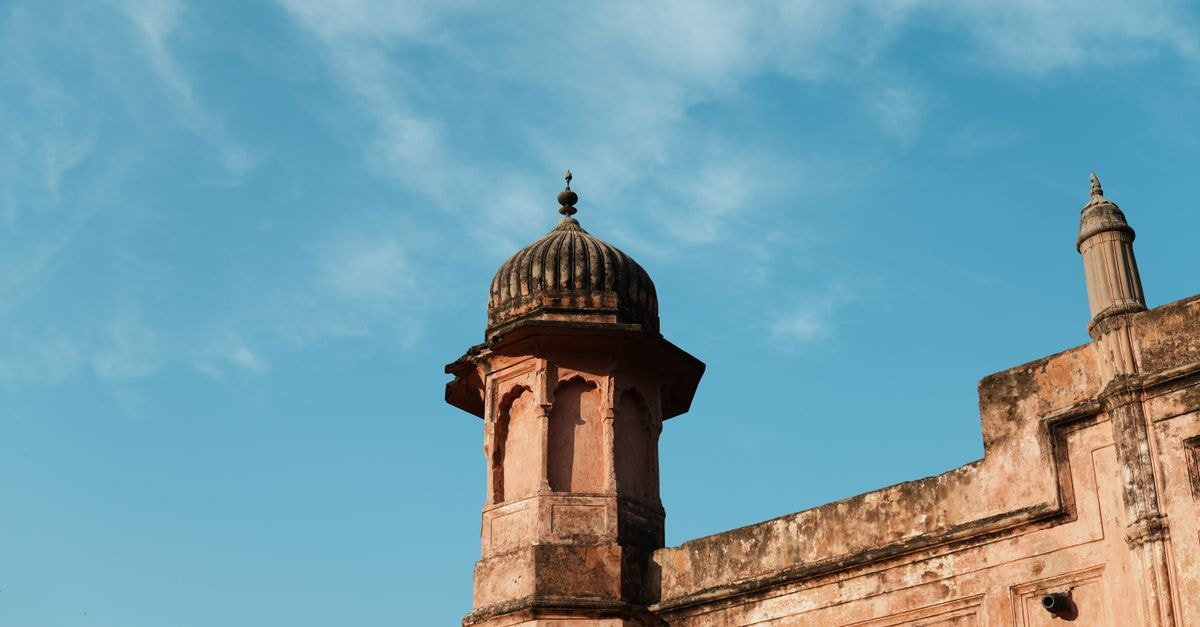
The Mauryan ruins are the headline stop, and they pair naturally with the Japanese Peace Pagoda, also known as the Vishwa Shanti Stupa. The pagoda is a serene white stupa set apart from the city's bustle, the kind of place that feels designed for a slow walk and a long pause. Together, the archaeological remains and the pagoda offer two very different moods: the layered earthiness of ancient stone and the clean, contemplative geometry of a 20th-century peace monument.
Travelers who enjoy connecting history with landscape may want to consider pairing the Mauryan remains with a visit to the pagoda in the same day. The contrast between the two sites keeps the experience varied without requiring long transit. If your interest leans toward archaeology and empires, give the Mauryan site more time; if you prefer quiet reflection, allow extra unhurried minutes at the pagoda.
Weather and seasonal context
Patna sits in the Gangetic plains, and the climate generally follows the rhythm of the wider region: warm summers, a monsoon period, and cooler, drier months in between. Because the source materials reviewed for this guide do not provide direct, verified temperature or condition data, this section stays gentle and evergreen rather than guessing at a forecast.
In practice, visitors often find that outdoor heritage sites like the Mauryan ruins and the Vishwa Shanti Stupa feel most comfortable during the cooler, drier windows of the year, when midday sun is less intense. As you plan, it can be wise to pace the day around the heat: lean into outdoor sightseeing in the morning, take a long lunch break, and return to monuments as the light softens. Always check a current weather source close to your trip, as conditions on the plains can shift quickly.
One practical route note from a longer-format itinerary on the city is that some travelers structure excursions of around 250 km from Patna to places such as the Vikramashila University ruins, with afternoons in Bhagalpur for silk shopping and the Champa Devi temple. That distance is real and worth knowing about if you are mapping the region, though it sits well outside the city itself and is best researched independently before deciding whether to add it to your plans (F1-2).
Getting around
Patna's urban layout spreads along the river, with most of the headline attractions reasonably close to one another by Indian city standards. The Mauryan archaeological remains and the Vishwa Shanti Stupa are both cited among the city's notable things to do, which means they tend to be reachable within a typical day of city travel rather than requiring a separate expedition (F3-1, F3-2).
Within the city, travelers usually mix auto-rickshaws, app-based cabs, and cycle or e-rickshaw options depending on the distance and time of day. As with many Indian cities, traffic can be dense during peak hours, so allow buffer time between stops. For the pagoda, which sits a little apart from the busiest commercial zones, a dedicated ride is often the simplest way to keep the visit relaxed.
If you are arriving from elsewhere in Bihar, Patna Junction is the main rail hub, and the city is also connected by road to nearby towns. From there, the same mix of local transport will get you to the heritage anchors. Because transit specifics like schedules, fares, and current operating patterns were not part of the verified materials, those details are best confirmed through official channels closer to your trip.
Food and local context
Patna sits within a country where food is woven into daily life in a way that goes well beyond a simple meal. Across India, regional cuisines vary widely, and food carries deep social and ritual meaning, often tied to festivals, family gatherings, and shared traditions (F6-1, F7-1, F7-2). For visitors, this wider context shapes what to expect at the table: meals are often treated as moments to slow down and connect, rather than as quick refueling stops (F6-2).
Because this guide is anchored only in city-level evidence for Patna itself, it stays away from claiming specific dishes, restaurants, or markets for the city. What you can reasonably expect, based on the broader Indian food culture described in the approved sources, is an emphasis on fresh, regional cooking, generous hospitality, and meals that may unfold over several courses. Vegetarian options are widely available across much of India, and travelers with specific dietary needs usually find it straightforward to ask and be accommodated.
A few etiquette pointers drawn from the broader Indian dining context can help visitors feel more at ease. Eating with the right hand is traditional in many settings, though utensils are common in urban restaurants. Sharing dishes family-style is typical, and finishing everything on your plate is generally appreciated. As always, observing how hosts and neighbors handle a meal is a reliable guide.
Choosing what fits your trip
A few simple tradeoffs can shape how Patna feels for you. If your main interest is ancient history, lean your days toward the Mauryan archaeological remains and treat the Vishwa Shanti Stupa as a reflective counterpoint; if your interest runs more toward contemplative spaces, give the pagoda generous time and treat the ruins as a single deep stop. For pacing, building your sightseeing around cooler parts of the day tends to suit the climate, while leaving evenings open for riverside walks and unhurried meals fits the city's rhythm. Travelers who prefer slow travel may want to focus on the city itself rather than long-distance excursions, while those drawn to regional variety can look into longer-format plans, knowing that any out-of-city routes require independent verification.
Before you go
Because verified, current information on transit options, opening details, and any ticketed entry to the Mauryan site or the Vishwa Shanti Stupa was not part of the source materials, a quick check before departure is wise. Conditions, hours, and visitor arrangements at heritage sites can change, and official channels will give you the most reliable picture for the dates of your trip. With that small step, Patna's ancient roots, river setting, and layered food culture make for a thoughtful, unhurried visit.
---
*Disclaimer: Travel conditions can change. Verify timings, entry details, transport options, and any local guidance through official sources before your trip.*
Share this article
TOOLS FOR THIS PLAN
Make the Patna plan measurable
Choose a tool only when it answers the next question in your trip. Your values stay in the browser, and each tool offers a route back to this planning context.