A small silk city with a long memory

Margilan sits quietly in the Fergana Valley, and most visitors arrive here for one reason above all: silk. The city has been tied to fabric for centuries, and that thread still runs through the workshops, bazaars, and the everyday rhythm of the bazaars and courtyards. If you love textiles, craft heritage, or simply want a slower stop between bigger Uzbek destinations, Margilan rewards a day or two of unhurried wandering. It is compact, walkable in the center, and feels far removed from the capital's traffic.
Weather and seasonal context
Margilan's climate is generally described as mild in spring and fall and harsher in the deep summer and winter months. Travelers who prefer comfortable walking weather may want to consider the spring or fall windows, when the air can feel softer and sightseeing does not compete with extreme temperatures. Summer can be hot and winter can be cold, so packing in layers for the cooler months and lightweight clothing for the warmer ones is a sensible starting point, even when you cannot lock in a specific forecast this far ahead.
A practical note for any season: English is not widely spoken in Margilan, though some younger people and those working in tourism or hospitality may have basic English. A few local phrases, a translation app, or simply a patient smile can carry you a long way, especially in workshops and small bazaars where the people you meet are the heart of the visit.
Getting around
The city is compact, and the central silk workshops and bazaar areas are easiest to reach on foot, which also gives you the chance to notice the tiled facades, quiet neighborhood mosques, and small shops that a taxi would simply pass by. For longer hops, local marshrutkas and shared taxis are cheap, frequent, and the quickest way to connect to the silk workshops and the main bazaar.
Coaches through the region are generally in the vicinity of 40,000 to 70,000 UZS depending on the operator and comfort level, which gives a rough sense of how affordable overland travel remains in this part of the country. Always check the current price and schedule before you ride, as fares and timetables can shift. For broader Uzbekistan road travel, the same marshrutka-and-shared-taxi culture tends to apply outside the city as well, which makes it easy to keep your plans flexible.
If you do wander toward a coach or train connection, ask locally about the current departure point, since hubs in smaller cities sometimes shift between the bazaar area, a central square, or a roadside lot a little farther from the old center.
Attractions and planning
The headline stop in Margilan is the Margilan Crafts Development Center, recognized as part of UNESCO's Intangible Cultural Heritage in 2017 for its role in keeping traditional Uzbek textile arts alive. Visiting the center lets you see firsthand how traditional Uzbek textiles like atlas and adras are made, from the raw silk to the finished patterned cloth. Even a short visit can be surprisingly moving, as the dyeing vats, the slow rhythm of the looms, and the conversations with the artisans make it clear why this craft has lasted for so many generations.
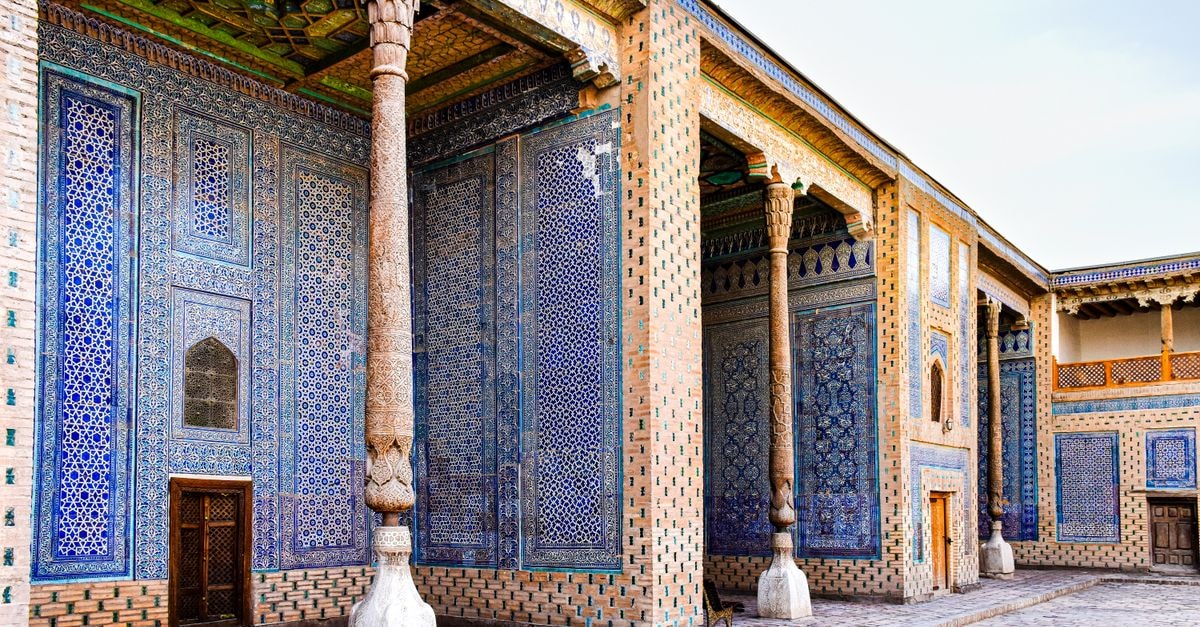
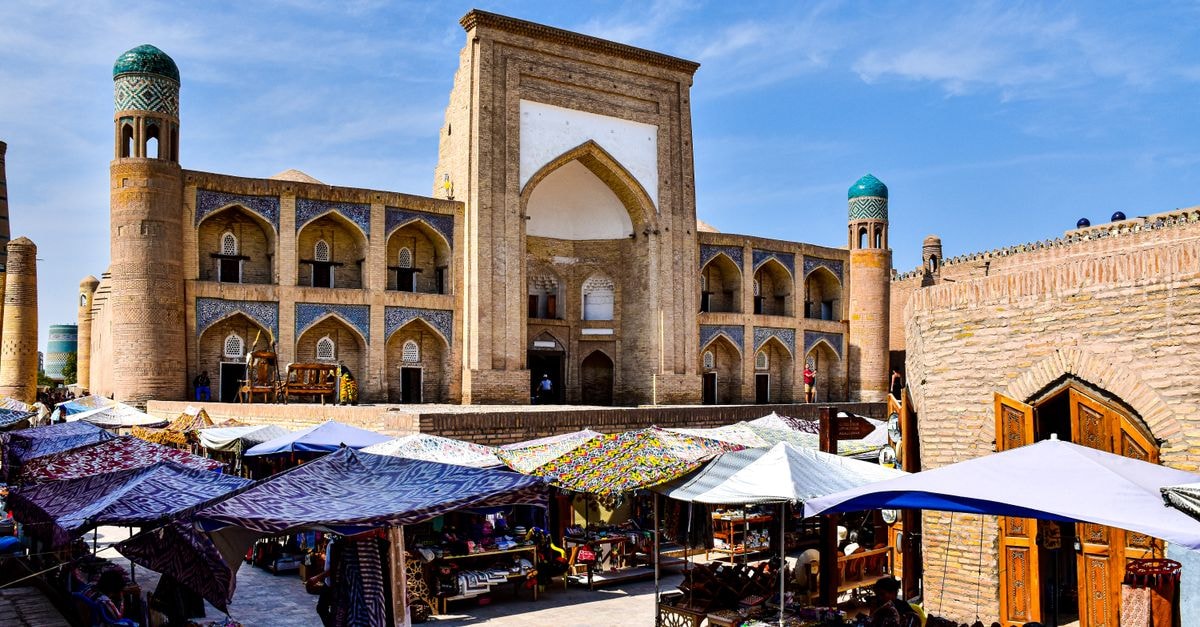
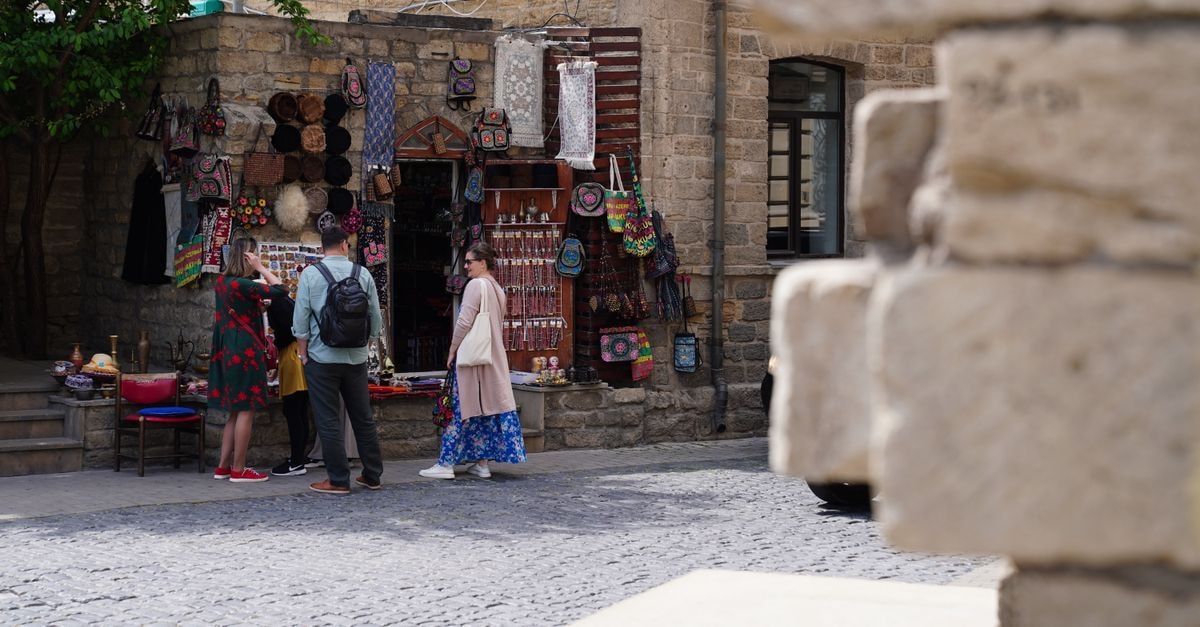
The Yodgorlik Silk Factory is another well-known stop, often listed alongside the Crafts Development Center, and is appreciated as much for its shop as for its working floors. Kumtepa Bazaar is a favorite for travelers who like to wander with a camera and a curiosity for local color, while two important religious-architectural landmarks, Khonakhan Mosque and the Saeed Ahmad-Hodja Madrasah, offer a quieter counterpoint to the busier market atmosphere. The Jami Mosque is another significant religious site in the city. If you enjoy layered itineraries that mix craft, faith, and everyday life, a route that pairs the Crafts Development Center with a bazaar walk and a madrasah visit can feel particularly rich. For those who find craft workshops and bazaars less interesting, you may want to reconsider how much time you give the city and focus instead on a brief pass-through, as the textile focus is very present in every sight listed here.
Closer to the practical end of your day, two simple local landmarks come up often in the area: Istiqlol Stadioni, listed as a nearby attraction outside the center, and a nearby park also listed in the area, both within easy marshrutka or taxi range and useful for orienting yourself in the city.
Food and local context
Uzbek cuisine has a long, layered history, and many of the dishes you will find reflect centuries of caravans, regional trade, and home cooking shaped by climate and community. The food culture here tends to be hearty, bread-centered, and built to be shared, which suits the kind of slow, sit-down meals that pair naturally with a day of walking through workshops and bazaars. In Margilan specifically, expect that your most memorable meals will likely happen in small neighborhood spots and family-run places rather than polished restaurants, and approach the table as part of the cultural exchange rather than a quick refuel.
Choosing what fits your visit
Because Margilan's identity is so strongly tied to silk, the trade-off between a short stop and a longer stay really comes down to how curious you are about the craft itself. If textiles, weaving, and small artisan workshops are at the top of your wish list, even a slow half day at the Crafts Development Center plus a morning at Yodgorlik and a wander in Kumtepa Bazaar can feel like the whole trip. If your interests lean more toward mosques, madrasahs, or grand architecture, you may find a shorter pass-through more satisfying and prefer to save more time for larger cities with deeper monument lists. Travelers who enjoy everyday local life, slow bazaar wandering, and on-foot exploration will probably enjoy Margilan the most, while those who prefer big-museum itineraries or a faster pace may want to keep the visit light.
Before you go
Fares, opening arrangements, and local timetables can change, so confirm prices and hours directly with your guesthouse, the workshop you plan to visit, or the ticket desk before you set off. If anything here still feels unresolved, a good first check is simply asking your host or the workshop reception which entrance is currently used and whether a guide is available on the day you plan to visit.
Factual travel conditions can change at any time, and official channels and on-the-ground advice should always be checked before departure.
Share this article
TOOLS FOR THIS PLAN
Make the Margilan plan measurable
Choose a tool only when it answers the next question in your trip. Your values stay in the browser, and each tool offers a route back to this planning context.