A quiet rail gateway in Inner Mongolia
What follows is built around the practical facts a first-time visitor needs before booking: when the weather is most comfortable, how the train journey actually feels, and what to expect when you sit down to eat. It is intentionally narrow, because the evidence for Bayan Nur itself is narrow, and a useful guide should not pretend otherwise.
Weather and seasonal context
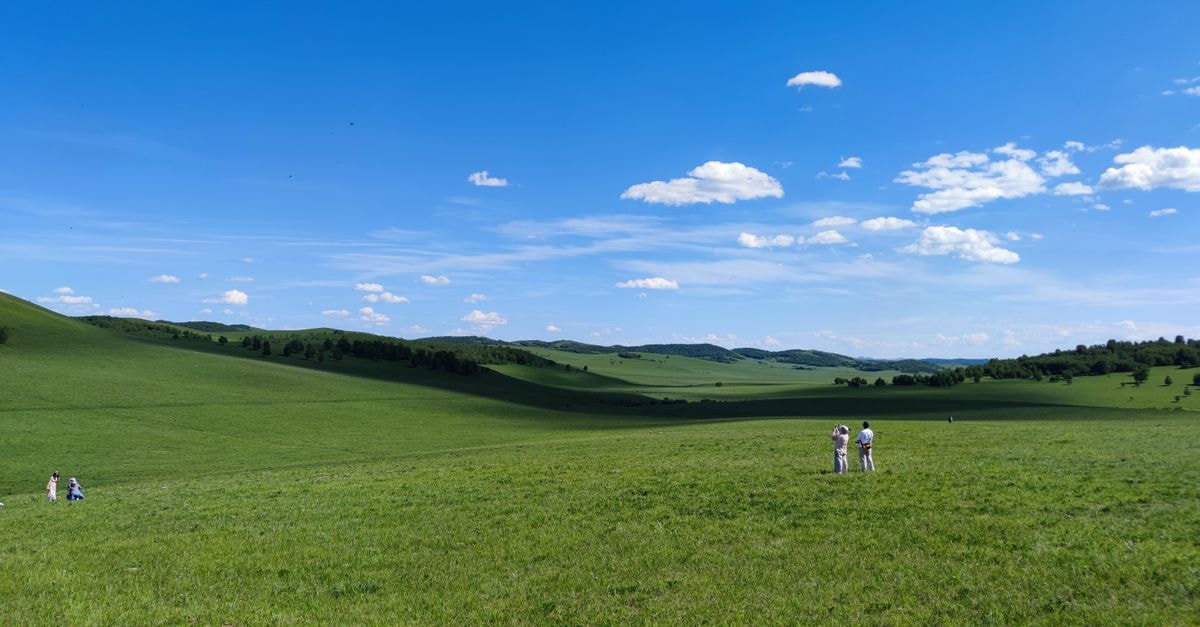
The clearest seasonal signal in the ledger is about comfort windows rather than specific temperatures. Historical weather patterns identify a window from roughly May 9 to September 25 as the most pleasant time to visit, based on typical multi-year conditions rather than a live forecast. For travelers who want warm-but-not-extreme days and the easiest time being outdoors, that stretch is the natural target.
Two practical implications follow. First, the comfortable window is long, which means visitors do not need to fixate on a single peak week; shoulder weeks inside that range can feel equally pleasant without the small crowds of mid-summer. Second, outside that window, conditions can shift quickly in this part of Inner Mongolia — cooler days, stronger winds, and sharper temperature swings between morning and afternoon are worth preparing for even if a precise number is not pinned down here.
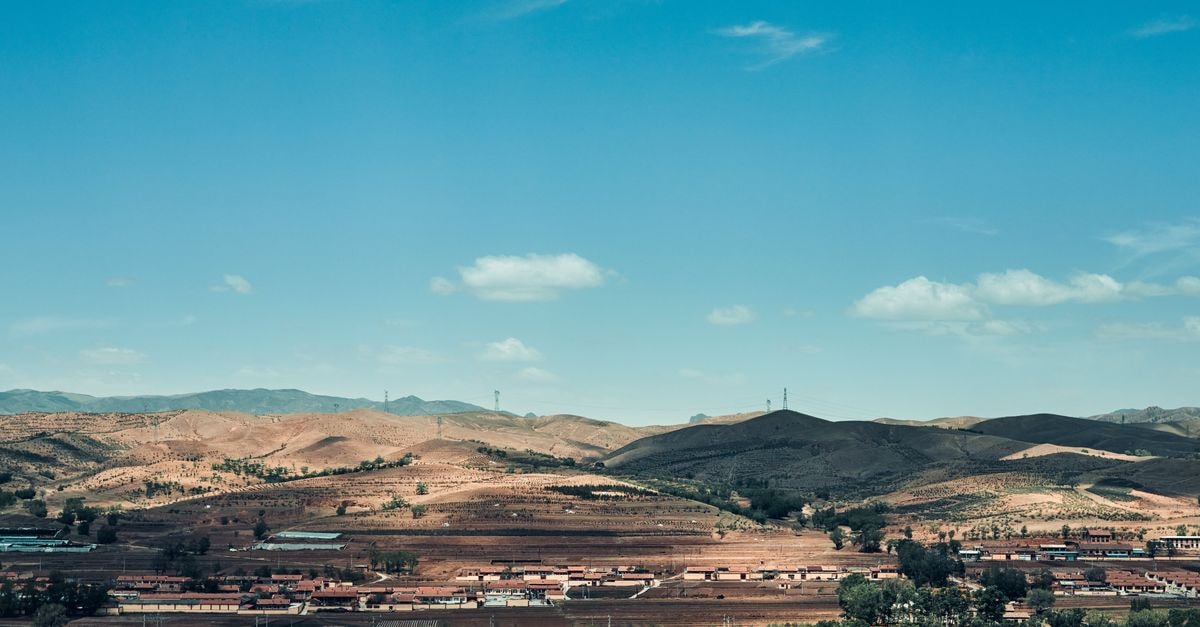
A second, closely linked note from the same source: regional train travel in this part of China is slow. The ride from Baotou to Linhe Station in Bayan Nur takes roughly two and a half hours. That is not a complaint so much as a planning reminder — the comfort of the train is real, but the time cost is real too, so build it into the day rather than treating it as a quick hop.
If you prefer mild temperatures and long daylight for walking around, the May-to-September stretch is the one to aim for. Travelers who specifically want to see winter landscapes or who do not mind cold winds and shorter days can still visit outside that window, but they should pace the day differently — front-loading outdoor time and treating evenings as a wind-down rather than a second activity block.
Getting around
The single most useful transport fact for Bayan Nur is about its main station. The main train station is Linhe Station, which is well connected to other parts of China, but no high-speed trains pass through this region yet. That sentence carries two pieces of advice at once: arriving by rail is genuinely practical from many Chinese cities, and travelers should not expect a one- or two-hour bullet-train arrival from somewhere like Beijing. The journey is part of the experience.
For independent visitors, the practical reading is that Linhe Station is the anchor. Once you have decided you are taking the train, you can plan the rest of the trip around which services reach Linhe comfortably. Overnight trains are a sensible option for longer distances, both because they save a hotel night and because they turn travel time into sleep time — a useful tradeoff if your preferred pace is to arrive rested and start exploring the same morning. Travelers who specifically dislike long seated journeys should think carefully about routing; the rail network is convenient, but "convenient" here means "connected," not "fast."
Inside the city itself, this guide keeps recommendations narrow: local transport details, taxi habits, and station-to-hotel transfers are the kind of fact a visitor should verify on the ground, because the ledger does not include them and inventing them would be worse than leaving a gap.
Food and local context
Bayan Nur sits inside a country with one of the world's most varied and well-developed food cultures, and that wider context is worth understanding before you sit down at your first meal. Chinese cuisine as a whole is famously diverse, and dining is treated as a serious social and cultural activity rather than a quick refuel. That framing helps explain why meals in this region — whatever the specific menu — tend to be relaxed, shared, and unhurried.
The second nationwide point is about manners. China has a long history of ritual and etiquette, and eating is a highly important feature of that culture, so dining etiquette has developed to a high degree. For visitors, the practical takeaway is small but real: a few minutes of reading up on shared-dining norms before the trip will make every restaurant visit smoother. The exact customs vary by region and by group, so the safest approach is to watch what your hosts or tablemates do and mirror it — chopstick placement, tea pouring, who signals for the bill.
These are wider-China notes that visitors may well encounter while eating in Bayan Nur. They are not a list of city-specific dishes, prices, or signature restaurants, because the evidence does not support those specifics; a confident shortlist of local specialties would be invention, and a useful guide should resist that pull.
Picking the shape of the trip
For independent travelers, the supported tradeoffs are honest and few. The rail ride is slow but comfortable, which suits visitors who want to read, nap, or watch the landscape shift from city to steppe. The comfortable weather window is long, which suits travelers who can be flexible by a week or two and would like to avoid peak crowds. The food culture is rich and etiquette-aware, which suits visitors who enjoy long, shared meals and do not mind a small amount of pre-trip reading on table manners.
Travelers who specifically need short transfers between cities, or who plan a trip built around multiple same-day moves between destinations, may find the lack of high-speed rail a constraint worth weighing. Anyone who dislikes sitting on trains for several hours should treat the Baotou-to-Linhe timing as a real input to the itinerary rather than a footnote. None of this rules Bayan Nur out — it just shifts who will enjoy the trip most.
A note before you go
Travel conditions change. Train schedules, station names, seasonal comfort windows, and dining customs are all worth a fresh check through official railway sites and current travel advisories before departure. The facts in this guide are durable patterns rather than live guarantees, and treating them as a starting point — not a final answer — is the best way to use them.
Prices, opening hours, schedules, reservation rules, and local conditions can change; verify them through official channels before departure.
Share this article
TOOLS FOR THIS PLAN
Make the Bayan Nur plan measurable
Choose a tool only when it answers the next question in your trip. Your values stay in the browser, and each tool offers a route back to this planning context.