The border energy that sets Birgunj apart

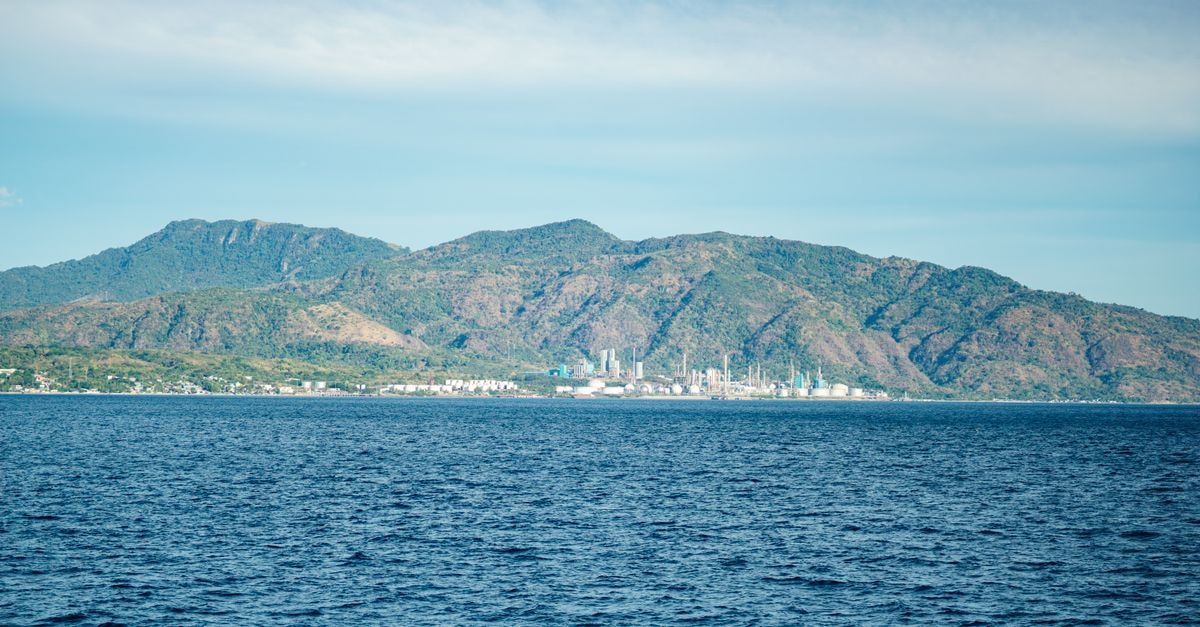
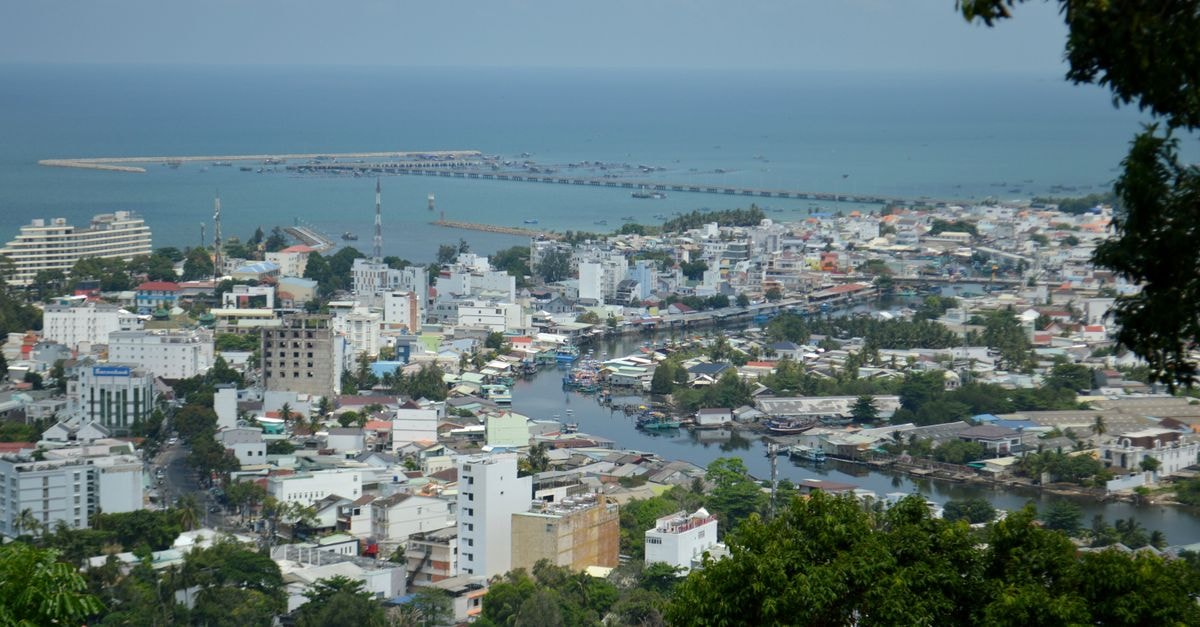
There are Nepali cities that feel like quiet towns, and then there is Birgunj. Sitting in Parsa district in the Madhesh region, this metropolitan city was founded in 1897 by Rana Prime Minister Bir Shamsher Jung Bahadur as a staging post along the southern border (F3-1). A little over a century later, that staging-post role has ballooned into something much louder. Birgunj now processes the majority of Nepal's imports and exports across its checkpost with Raxaul in the Indian state of Bihar, and the constant flow of trucks, traders and transiting goods gives the streets an energy that is hard to find elsewhere in Nepal (F3-2). Separately, the city is described as a major point of entry for Indian goods trade and is also reported to receive goods coming in from the port of Kolkata (F5-1, F5-2). For travelers, all of this translates into a city that feels less like a postcard and more like a working commercial hub.
That character is the first thing to understand before booking anything. Birgunj is a transit crossroads and a place where the rhythm of the day is set by cargo movement rather than tourist schedules (F5-1). Visitors who arrive expecting a museum-town pace may want to recalibrate quickly; visitors who like working cities, border crossings and cross-border commerce will likely feel at home almost immediately.
Where to sleep and what to book first
A practical approach is to anchor the booking decision to the kind of stay you actually need. Travelers prioritizing a simple base for short trips may find the lower end of the hotel range fits well; travelers wanting more space, kitchen access or a longer settle-in period may want to weigh the rental range (F6-1). Because the city is a commercial hub with frequent visiting traders, occupancy can fluctuate, so comparing a few listings before confirming is generally a good habit (F4-1).
Getting around safely
Birgunj's transport picture is shaped almost entirely by its border function. The flow of trucks and goods moving to and from Raxaul and beyond gives the roads a particular kind of bustle, and that environment carries real considerations for visitors on foot or in hired transport (F2-2, F3-2).
Safety guidance for the city urges caution, especially after dark. Border-city bustle brings petty crime and traffic chaos, and isolated areas are best avoided at night (F2-2). Daytime movement is generally manageable, but the mix of heavy vehicles, narrow lanes and a steady stream of traders means that even routine crossings benefit from extra attention. Travelers who prefer quieter urban walks may find the central market hours especially intense, while those comfortable with energetic commercial streets will probably take the pace in stride.
A few habits go a long way here. Keep valuables close, plan routes around the main commercial corridors rather than back lanes, and treat the border-zone traffic with the same caution you would give any busy crossing town. If your itinerary involves crossing into India, note that the border crossing is reported to be subject to government hours that can change; travelers who need to be out late on either side may want to confirm the current schedule before planning evening movement (F3-1).
Money, planning and what to verify
Birgunj rewards travelers who plan the practical layer of the trip before arrival. Because the city runs on trade, prices for transport, food and small services tend to fluctuate with supply chains rather than tourist calendars, so a quick check of current rates on the day is sensible (F4-1). Likewise, if the plan includes any border-related paperwork, allowing buffer time for processing and queueing can save a lot of frustration.
Hotel and rental rates drawn from booking platforms should be treated as reference points only; the real cost on any given night depends on platform fees, length of stay and demand (F6-1). Independent travelers on a tighter budget may find that a basic guesthouse near the main road offers everything needed for a short stop, while those staying a week or longer for work may prefer the space and privacy of a rental (F1-2, F6-1).
Before committing money, it is worth pausing on a small set of essentials: confirm the accommodation's exact location relative to the border crossing if that is the reason for your stay, double-check current safety guidance for the specific neighborhood you have booked, and verify any visa or border-document requirements through official channels (F4-1, F2-2). A little up-front verification tends to pay off in a city where logistics, not sightseeing, drive the daily rhythm.
Choosing what fits the trip
Because the evidence centers on Birgunj's commercial and transport character, the natural fit for the city is narrow but clear. Travelers passing through as part of a longer Nepal-to-India route, or those visiting for trade, work or family connections in the Madhesh region, will find the lodging range, booking infrastructure and transport links aligned with their needs (F1-2, F3-1, F3-2, F5-1, F6-1). The same energy that makes the city feel intense to leisure visitors is exactly what makes it efficient for transit and business stays.
Travelers whose priority is slow sightseeing or quiet cultural wandering may want to reconsider how much time they spend in Birgunj itself and instead use it as a short, functional stop, given that the documented character of the city is built around border commerce, truck flow and transiting goods rather than heritage sightseeing (F3-1, F3-2, F4-1). And because safety guidance specifically calls for caution after dark and in isolated areas, anyone uncomfortable with busy border-city traffic should plan daytime movement and keep evenings close to their lodging (F2-2). Matching the trip style to the city's working rhythm is the simplest way to make a visit feel smooth rather than overwhelming.
*Travel conditions, border operating hours, safety guidance and accommodation rates can change. Verify the latest details through official channels and your booking platform before departure, and treat any figures cited here as reference points rather than guarantees.*
Share this article
TOOLS FOR THIS PLAN
Make the Birgunj plan measurable
Choose a tool only when it answers the next question in your trip. Your values stay in the browser, and each tool offers a route back to this planning context.