A calm capital with the sea in reach

Mito sits at the heart of Ibaraki Prefecture and carries the unhurried rhythm you often find in regional Japanese capitals. The city has long been associated with Kairakuen, one of the country's celebrated classical gardens, and the surrounding neighborhoods unfold at a pace that suits slow walking, long lunches, and reading by a pond. Travelers who use Mito as a base often appreciate that the urban core stays manageable on foot, while the broader prefecture opens up for nature-leaning detours.
For visitors arriving from Tokyo, the appeal is partly logistical: Mito is straightforward to reach by limited express, which means you can leave the capital in the morning and be settling into a local café before lunch. The rest of the city then rewards the kind of traveler who enjoys balancing a single cultural anchor with quiet side streets rather than rushing between headline sights.
Weather and seasonal context
Mito's climate follows the wider Kanto pattern, with warm, humid summers and cooler, drier winters. Spring brings the cherry blossom window that draws visitors to Kairakuen, while autumn tends to settle into comfortable daytime temperatures that make extended garden walks pleasant. Summer heat and humidity can feel intense, so pacing the day around the cooler morning and evening hours tends to suit visitors who prefer to avoid midday exertion.
A car-free routing centered on Mito Station links the historic core with the seaside, using trains and a local loop bus to reach Oarai and Isosaki Shrine. This kind of route planning works well in any season and helps travelers who prefer not to drive, though conditions at the coast can feel windier and cooler than in the city, so a light layer is worth keeping handy when heading toward the water.
Getting around
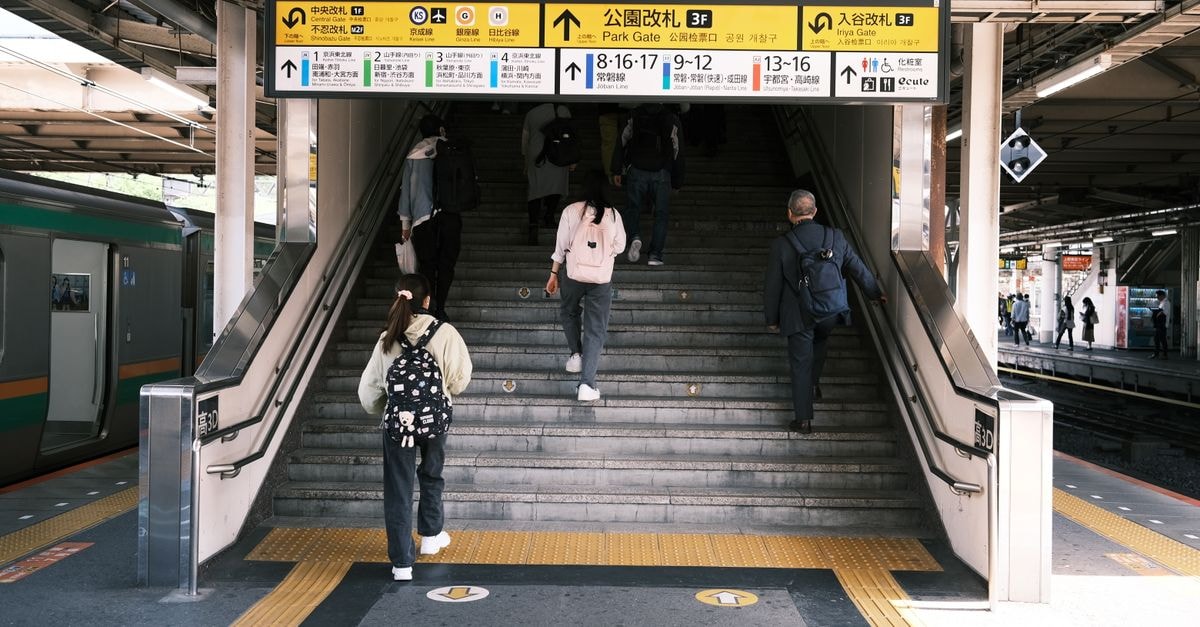
The transport story for Mito is unusually tidy for a regional capital. Limited express trains from Tokyo Station or Ueno Station make the city directly reachable without a transfer, which simplifies arrival planning for travelers coming in from the capital for a short stay.
Once in Mito, the station area serves as a natural anchor. A car-free route based at Mito Station is designed to connect Kairakuen and Mito's historic sites with Oarai Isosaki Shrine and the seaside, using trains together with the Kaiyugo loop bus. This makes the city approachable for visitors who prefer public transport, and it pairs naturally with a day that begins with garden walking and finishes with sea air.
For travelers who want to push beyond the urban core, the wider area offers outdoor options such as bungee jumping, hiking, and camping outside the city. These activities suit visitors who like to combine a cultural base with a more active half-day, though they require a separate plan for reaching the sites and are best treated as optional add-ons rather than the main reason to visit.
Food and local context
Mito's dining scene sits within the broader Japanese culinary tradition, where cooking techniques are valued for their health benefits and where specialty ingredients play a defining role in regional dishes. Visitors to Mito will encounter this wider Japanese food culture in everyday settings, from morning set meals to evening izakaya menus, and the city fits naturally into a traveler who wants to experience classic Japanese meal structures rather than chase a single signature dish.
Within the city, the most natural way to approach food is to let meals follow the rhythm of the day: a lighter breakfast near the station, a longer lunch after a garden visit, and an evening meal that leans on seasonal fish, vegetables, and rice. Travelers who enjoy exploring food culture more deeply will find that Mito's role as a prefectural capital means a reasonable range of restaurants and cafés, while those who want to compare regional flavors across the Kanto region can use Mito as a base for short detours into neighboring food towns.
For travelers with specific dietary needs, the practical approach in Mito is the same as elsewhere in Japan: plan ahead, look for menus that clearly state ingredients, and do not hesitate to ask, since restaurant staff in a prefectural capital are generally used to accommodating requests when given a little notice.
Choosing what fits your trip
Mito tends to suit travelers who enjoy a quieter pace and like pairing one major cultural stop with unhurried time around it. Visitors who prefer gardens, coastal scenery, and train-based day plans often find the city a comfortable fit, especially if they want direct access from Tokyo without the intensity of a larger metropolis. Travelers who prefer dense urban sightseeing, late-night entertainment districts, or a very wide restaurant list in a compact area may find Mito calmer than expected and could consider pairing it with time in Tokyo or another larger city. For those who want a base that mixes walking, gardens, and an optional outdoor detour, Mito's combination of limited express access and a car-free route to the coast is genuinely useful.
Before you go
Mito's transport story is well documented and stable, but schedules, fares, and route details can change. Check the latest limited express timetables from Tokyo Station and Ueno Station before travel, confirm the current Kaiyugo loop bus route and operating days, and verify opening hours and access details for Kairakuen and any sites you plan to visit. Currency exchange rates fluctuate, so treat any reference figures as a starting point rather than a guarantee. For current conditions, official transport websites, the city tourism information desk near Mito Station, and the Culture Pot MITO newsletter are reliable starting points. Factual travel conditions can change, and official channels should always be checked before departure.
Share this article
TOOLS FOR THIS PLAN
Make the Mito plan measurable
Choose a tool only when it answers the next question in your trip. Your values stay in the browser, and each tool offers a route back to this planning context.