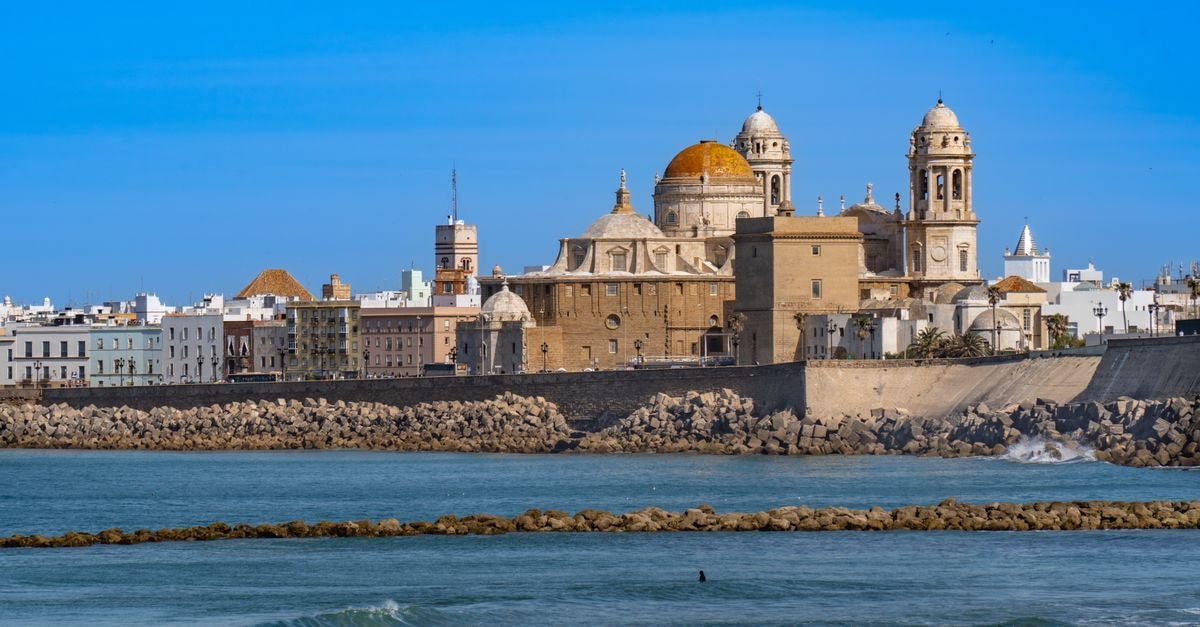
A first look at Zabbar

There is a particular kind of quiet that settles over the older towns of southern Malta, and Zabbar carries it gently. Tucked just inland from the fortified harbours of the Cottonera area, this is the kind of place that rewards unhurried attention rather than a checklist approach. Limestone façades catch the Mediterranean light, parish streets stretch out in long straight lines, and the rhythm of the day feels locally paced.
For travelers who like to anchor themselves in a residential town and use it as a base, Zabbar offers an appealing balance: enough everyday life to feel real, close enough to larger heritage sites to make exploration feasible, and a calmer atmosphere than the busier tourist centres. The guide below leans into what visitors can genuinely observe on the ground, from the historic fortifications on its doorstep to the wider Maltese table that visitors may encounter while staying in the area.
Heritage fabric and the Cottonera backdrop
The single most grounded historical anchor for any visit to Zabbar is its relationship to the **Cottonera Lines** of landward fortifications, whose reach extends out to the outskirts of the town. These defensive walls were built to protect the inner harbours and the older settlements they shelter, and they still shape how the southern part of the island feels today. From Zabbar you can sense the proximity of those fortifications without needing to navigate a packed tourist schedule.
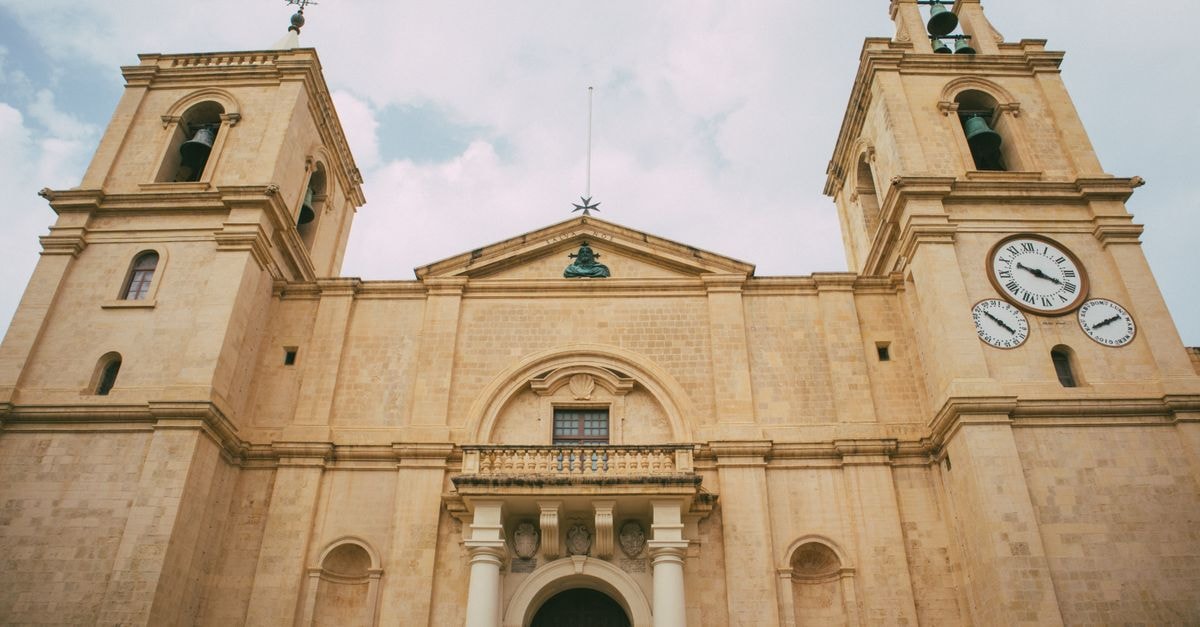
Religion has long been a visible thread in local life here. The **Zabbar Parish Church** appears consistently among the most noted points of interest in traveler listings, and the town is also associated with **Mary (16th century)** as a touchstone of religious heritage and local festivals. For visitors, this translates into a town centre where the parish church plays a genuine civic role, not just a postcard function. Slow travelers who enjoy observing living traditions rather than purely architectural sightseeing may find this aspect of Zabbar especially resonant.
The wider cultural frame matters too. Local listings often reference **wine and beer** as part of the Zabbar experience in passing, which mirrors the broader Maltese appreciation for everyday Mediterranean pleasures.
Getting around and using Zabbar as a base
Zabbar is shaped by its road links toward the Three Cities and onward to Valletta, which makes it a workable base for travelers who don't mind short hops. Listings for stays in the area often mention access to the **Valletta bus station** as a wider exploration point, and that framing is useful here: Zabbar itself is calmer, while a short journey puts you within reach of bus routes that fan out across the island.
For travelers considering **day trips to nearby sites such as Mdina and the Blue Lagoon**, Zabbar's accommodation listings and practical travel pages reference these as reachable options, which can help set expectations for an itinerary that pairs quiet evenings with broader excursions. That said, the town itself does not need to be treated merely as a launchpad. Walking the residential streets, lingering near the parish church, and watching the fortifications on its edge gives the visit its own character.
If you prefer a base that is closer to the action, you might find the calm of Zabbar less convenient than staying in Valletta itself, where one listed aparthotel on **The Strand in Gzira** describes an **ideal location in the heart of Valletta** with walking access to major attractions and proximity to the bus station. That alternative serves travelers who want immediate immersion in the capital rather than a residential-town rhythm.
Staying in Zabbar without overpaying
Budget-minded travelers have a straightforward path here. **Zabbar offers budget-friendly accommodation options such as guesthouses and small hotels** that are affordable for visitors who want to save on lodging, and the listings that surface for the town lean toward this modest, practical style rather than luxury resorts.
For travelers who are looking for broader Malta context, the same kinds of listings also mention **nearby parks and green spaces, perfect for picnics or leisurely strolls**, which is a useful detail for anyone planning slow afternoons between excursions.
The natural follow-up question is timing. Listings ask **"What is the best time of year to visit Zabbar?"** without giving a single decisive answer, which mirrors the gentle Mediterranean climate that supports most of the year. Travelers who are flexible may find shoulder periods feel especially calm, while high-summer visitors should be ready for warm days and a livelier pace.
What you'll see in the wider Maltese kitchen
While in Zabbar, visitors will be eating within the wider Maltese food culture, which is a useful frame to set before any meal out. **Maltese cuisine is the definition of Mediterranean**, shaped by **neighbouring Sicily and North Africa**, and the country's official tourism voice describes it as **outstanding restaurants and spectacular local produce** that make Malta a foodie's destination.
This national context is helpful, though it doesn't tell you exactly which Zabbar kitchen to walk into. What it does suggest is the kind of food you can expect to encounter: produce-led, Mediterranean-leaning, and influenced by both southern Italian and North African traditions. Travelers who enjoy sampling local menus during a stay may find that this broader framing helps them read menus with more confidence once they sit down to eat.
Choosing what fits your trip
The trade-off in Zabbar comes down to rhythm rather than logistics. Travelers who value a residential base, modest guesthouses and small hotels, and the chance to sit within reach of the Cottonera fortifications will likely appreciate staying here, especially if they plan day excursions to places like Mdina or the Blue Lagoon. Travelers who prefer to be in the middle of Valletta's walking-distance sights and bus-station convenience might lean toward central stays on The Strand in Gzira instead. Either choice is reasonable; the difference is simply whether you want your evenings calm and local or central and immediate.
A quick note before you go
Travel conditions, including accommodation availability, local services and transit details, can change. It's always worth checking official Maltese tourism channels and your booked provider before departure for the latest practical information.
The Malta tourism authority notes that visitors will be moving through a country where **gastronomy**, **outstanding restaurants** and **spectacular local produce** define the everyday food experience, which gives a useful sense of what to expect at the table while you are based in the south of the island.
Prices, opening hours, schedules, reservation rules, and local conditions can change; verify them through official channels before departure.
Share this article
TOOLS FOR THIS PLAN
Make the Zabbar plan measurable
Choose a tool only when it answers the next question in your trip. Your values stay in the browser, and each tool offers a route back to this planning context.