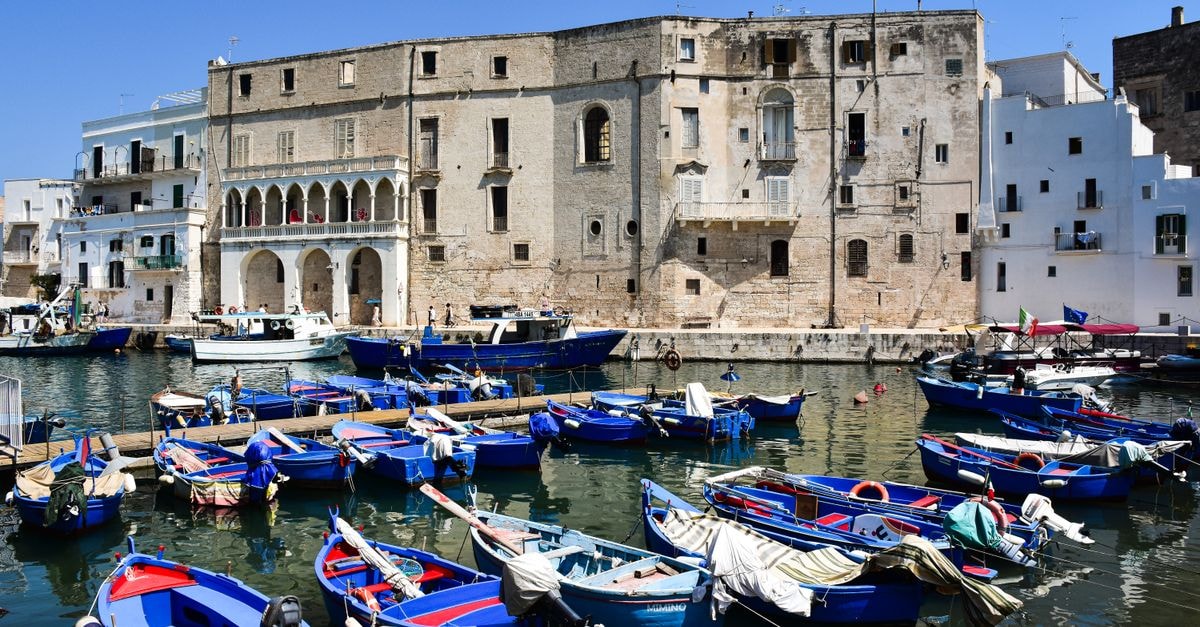
A welcoming stretch of coast on Malta

St. Julian's has the easy rhythm of a Mediterranean town that grew around its harbor. Days tend to unfold with a morning coffee, a slow walk along the waterfront, and the kind of unhurried lunch where conversation stretches longer than the menu. Set just up the coast from Valletta, the town draws visitors who want a relaxed base with sea views, a lively dining scene, and easy access to the wider island's cultural stops. This guide keeps things practical: what to see, how the rhythm of the year shapes your visit, and the wider Maltese food culture you're likely to encounter while you're here.
Weather and seasonal context
The climate around St. Julian's carries a clear Mediterranean feel. Long, dry stretches of sun sit alongside the kind of warm, hazy afternoons where the sea looks like brushed glass. Conditions can shift, and brief rain is always a possibility, so it helps to keep flexibility in your plans. If the weather turns wet, cultural stops inland make a satisfying pivot rather than a compromise. One practical option noted for the region is that a multi-site cultural pass, such as the _Malta Experience Pass_, groups several cultural sites together at a reduced price and is described as ideal for a rainy day in Valletta. That kind of umbrella-day fallback can rescue an afternoon when the coast looks dull. Daylight stretches long across the warmer parts of the year, which makes early evenings especially generous for harbor strolls and outdoor dining. Pacing matters here more than in many European cities: an early start and a slow afternoon tends to feel more natural than a packed schedule, especially if you're combining coastal walks with time in older towns further along the coast.
Attractions and planning
St. Julian's sits in a sweet spot for travelers who like a mix of sea and culture. The town itself is best approached as a base: a place to settle into, walk out from, and return to after day trips along the coast. A useful starting habit is to pick up an attractions map early in your stay; having the layout of nearby cultural stops in mind helps you decide what fits your energy on a given day. Inland highlights are easy to reach and reward a half-day or so, particularly the cluster of museums around Valletta. Among the cultural anchors you may want to look into are the Malta War Museum, noted as open all year with an about two-hour visit and an approximate ten-euro entry, and MUZA – the National Museum of Art, also described as an all-season stop with a roughly two-hour visit and an entry around five euros. Neither is in St. Julian's itself, but the short hop up the coast makes either one a realistic morning or afternoon when you want a break from the sea. If you enjoy giving your day a shape, anchoring the morning around a museum visit and returning to St. Julian's for a long waterfront lunch tends to feel like the natural rhythm of the area. If you prefer to stay close to the harbor, the bays and promenades around St. Julian's are enough on their own to fill a relaxed day, and the town's evenings have a noticeably easy social energy once the sun drops.
Food and local context
Dining is one of the genuine pleasures of a St. Julian's stay, and it's also where the wider island's character tends to show up on your plate. Maltese cuisine sits at the crossroads of the Mediterranean: shaped by neighboring Sicily and North Africa, it leans into fresh produce, olive oil, tomatoes, and seafood, with its own long-standing classics woven through. That broader food culture is what you'll most often meet in restaurants around St. Julian's, from casual harbor-side spots to more polished dining rooms. The island's official tourism body describes Malta as a foodie's heaven, pointing to outstanding restaurants and spectacular local produce as the headline reasons to eat well here. In practice that means menus tend to feature whatever is in season locally, and ingredients are treated with care rather than fuss. A relaxed approach works well: order what looks fresh, ask the staff what they recommend today, and leave room for a second course or a local dessert. Evenings around the harbor are the most atmospheric time to eat, though a long, late lunch in the shade can be just as rewarding. If you have dietary preferences, you'll generally find the Mediterranean pattern of vegetables, grilled fish, and pasta gives you plenty of choice without needing special arrangements.
Choosing what fits your trip
A few simple tradeoffs can shape how St. Julian's feels for you. If you love a packed cultural day, the Valletta museums pair naturally with a St. Julian's base, and the multi-site cultural pass softens the cost on a weather-washed afternoon. If you'd rather slow down, harbor walks, late lunches, and a single short museum stop give the town room to breathe without missing the essentials. Travelers who prioritize food will find the Maltese kitchen, with its Sicilian and North African influences, rewarding almost anywhere they sit down. Those who prefer quieter evenings may want to pick accommodation slightly set back from the busier bays, while night-leaning visitors will enjoy staying closer to the waterfront buzz.
A quick practical note
Before you travel, double-check the current opening hours and ticket prices for any museum or cultural site you plan to visit, as these can change. If a pass like the _Malta Experience Pass_ fits your plans, confirm the latest inclusions and participating sites in advance. Travel conditions shift through the year, so a quick look at official channels closer to your dates will help your day go smoothly.
Share this article
TOOLS FOR THIS PLAN
Make the St. Julian's plan measurable
Choose a tool only when it answers the next question in your trip. Your values stay in the browser, and each tool offers a route back to this planning context.