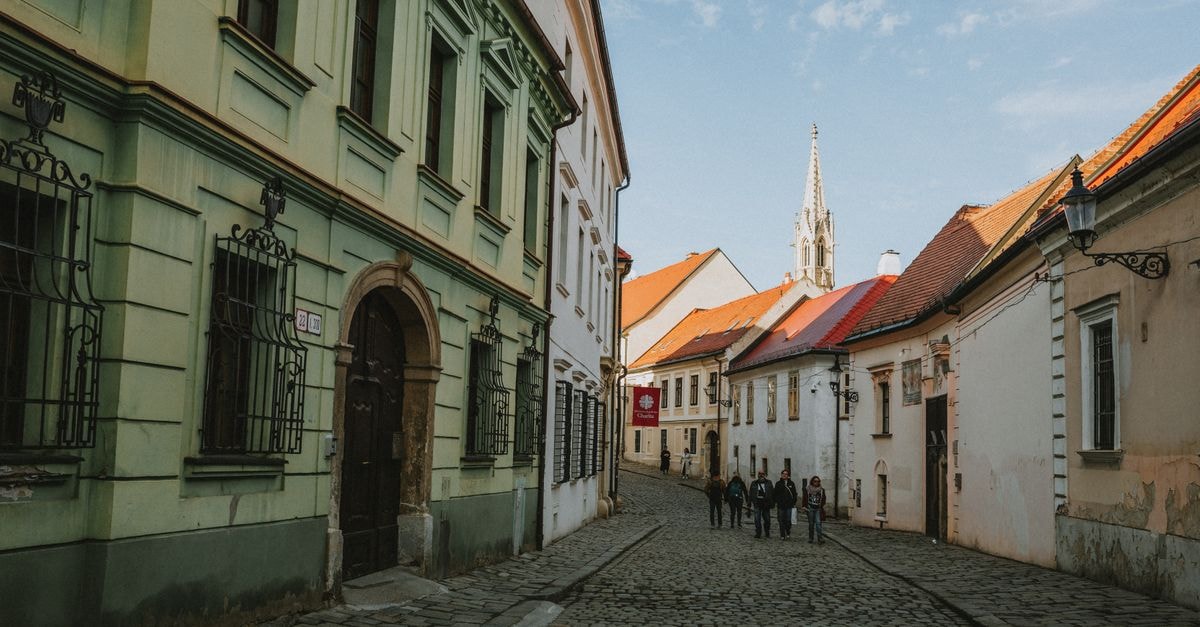
A First Look at Bratsk

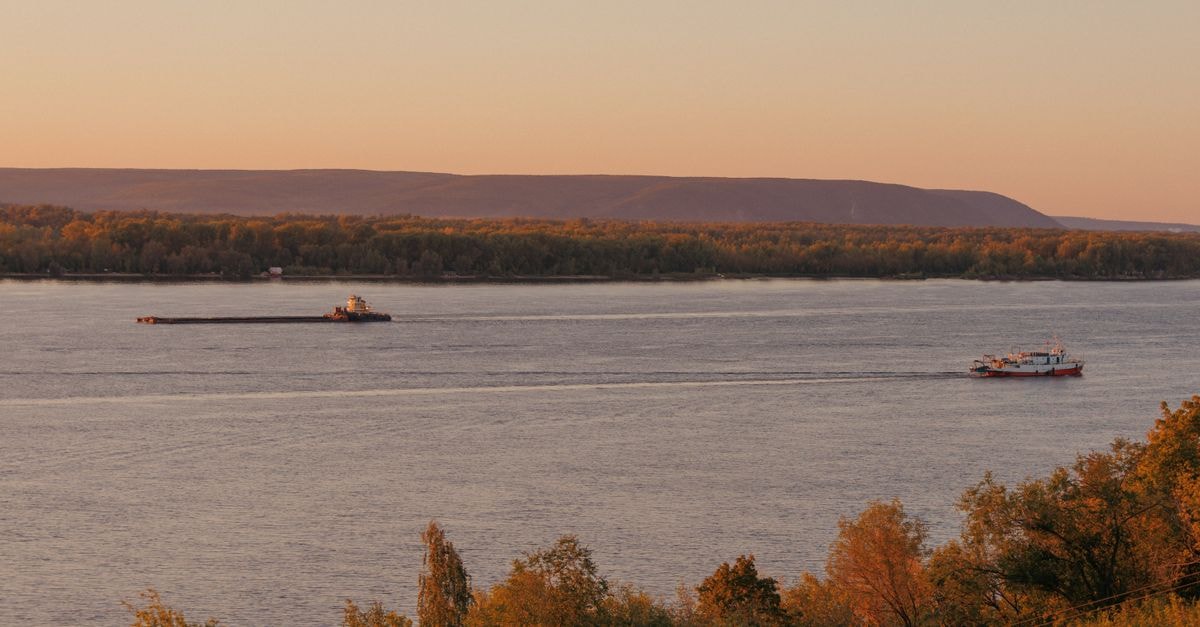
Bratsk has the feel of a place shaped by water and rail. It sits in Irkutsk Oblast as a large city on the Baikal-Amur Mainline, and its shoreline along the Angara River opens out toward the vast Bratsk Reservoir. That combination of railway geography and reservoir scenery gives the city a particular character: spread out, atmospheric, and oriented toward travelers who like a sense of distance. Bratsk is the sort of stop that rewards visitors who arrive curious rather than with a packed checklist. The reward here is the rhythm of the place itself — the long views across the water, the unhurried pace of a working Siberian city, and the small satisfactions of figuring out how to move around on your own terms.
If your travel style leans toward independent exploration, unhurried observation, and a willingness to read a place through its everyday surfaces, Bratsk can feel quietly rewarding. If you are hunting for a tightly choreographed list of headline attractions, you will need to recalibrate your expectations. The pleasure of Bratsk is in its openness and its practical, lived-in quality.
Weather and Seasonal Context
Bratsk's climate is firmly continental, which means visitors tend to experience it in strong, distinct shapes rather than gentle transitions. Without leaning on a specific month or temperature reading, the broader pattern is one of long, cold winters and comparatively short, mild summers. Daylight stretches generously in the warmer half of the year and contracts dramatically in the colder half. For travelers, the practical implication is simple: layering is more useful than any single garment choice. A packable insulating layer, a wind-resistant outer shell, and footwear that handles both cold pavement and softer ground will serve you well across many visits.
Travel logistics to Bratsk are typically arranged through platforms that also handle accommodations in the city. The wider travel infrastructure treats Bratsk as a destination that can be reached by train, bus, or car from other parts of Russia, which mirrors how most independent travelers actually plan a Siberian trip — combining rail legs with ground transport and booking lodging alongside tickets. When researching, you will frequently find Bratsk framed in the same context as hotel listings and ticket search engines, a reminder that this is a city where lodging, transport, and weather planning tend to happen together rather than as separate tasks.
The honest advice is to plan for the season you are traveling in and to expect Bratsk's weather to shape your day more than the weather shapes your itinerary. Pace yourself accordingly, keep a buffer in your schedule for a slower afternoon, and treat the climate as part of the experience rather than an obstacle to it.
Getting Around
Bratsk's position on the Baikal-Amur Mainline is the single most important practical fact for getting there. The railway connects the city into the wider Russian transport network, and a growing share of independent travelers now book rail tickets online well before departure. Fares depend on carriage class and distance, with a broad published range from roughly 700 to 2,500 RUB, which gives a sense of the spread between shorter regional journeys and longer, more comfortable bookings.
A few practical habits make rail travel here smoother. Booking in advance for popular dates is genuinely useful, especially if you have a preferred carriage class or a tight onward connection. Bringing warm clothing is a sensible reflex, because station facilities are basic but functional — they will get you where you need to go, but they are not designed for extended lounging in lightweight clothes. Treat the station as a transit space rather than a destination in itself.
Once in Bratsk, the Angara River and the Bratsk Reservoir define the city's layout. The reservoir's vast shoreline means distances can feel longer than they look on a map, and a basic mental map of where the river edge sits in relation to the station and your lodging will save you from a few unnecessary taxi rides. Public transport and taxis handle the day-to-day movement between neighborhoods; car travel from elsewhere in Russia is a common way to arrive for visitors combining Bratsk with a broader Siberian road trip. In every case, plan your connections with the same patience you would bring to any large, spread-out Siberian city.
Food and Local Context
Bratsk does not present itself as a culinary capital, and the most useful way to think about food here is as part of the wider Russian eating culture you will encounter across Siberia. Two country-wide reference points help frame what shows up on local tables.
The first is pelmeni — Siberian meat dumplings that have become one of Russia's most widely recognized comfort foods. Pelmeni turn up everywhere from family kitchens to casual restaurants, and they are a sensible anchor dish when you are navigating an unfamiliar menu. Order them simply, with the usual accompaniments of sour cream, butter, or a splash of vinegar, and treat them as a baseline rather than a curiosity.
The second is black caviar, which sits at the opposite end of the price spectrum. Russian caviar carries real historical and cultural weight, and the story behind its modern scarcity is part of what makes it a topic of conversation even when it is far outside a typical traveler's budget. You are unlikely to find it on a casual lunch menu, but you will see it referenced in shop displays and food writing, and that reference is worth understanding as cultural context.
More broadly, Russian food culture moves well beyond any single stereotype. The cooking you encounter in everyday settings often leans on pork fat rendered in a cast-iron skillet, hearty soups, fermented rye bread with its sharp tang, and preserved vegetables built for long winters. These are the flavors that anchor a Siberian table, and they tend to appear, in some form, wherever you sit down to eat in Bratsk. Approach meals here the way you would approach meals in any large working city: eat where locals eat, ask what is fresh, and let the everyday staples do the talking.
Planning Notes and Verification
Because Bratsk is a city where transport, weather, and lodging decisions tend to overlap, it pays to confirm the moving parts together rather than separately. Cross-check rail options against hotel availability for the same window, and treat any published fare or rate as a reference point rather than a guaranteed current price. If you are combining Bratsk with a longer Siberian route, build in a day of slack at either end so that a delayed train or a slow connection does not compress the rest of your plans.
A short checklist helps: confirm your rail booking and carriage class in advance, layer your clothing for the actual forecast rather than the calendar, and keep your first evening light so you can read the city's pace before committing to a full schedule. That kind of patient, low-pressure opening is what makes a stop in Bratsk feel rewarding rather than rushed.
Travel conditions, schedules, and prices can change, and official transport and accommodation channels should be checked before departure for the most current information. Treat this guide as a durable orientation rather than a live itinerary, and let the city itself confirm the details that matter for your specific trip.
Prices, opening hours, schedules, reservation rules, and local conditions can change; verify them through official channels before departure.
Share this article
TOOLS FOR THIS PLAN
Make the Bratsk plan measurable
Choose a tool only when it answers the next question in your trip. Your values stay in the browser, and each tool offers a route back to this planning context.