A First Look at Bokaro

Bokaro carries a quietly distinctive identity, which a visitor starts to sense almost on arrival. Often nicknamed the Steel City because of the vast Bokaro Steel Plant, the city grew around one of the country's major industrial complexes, and that mix of heavy industry, planned residential pockets, and unexpected pockets of greenery gives it a character quite unlike a typical Indian hill station or heritage town. For a traveler who enjoys places where modern Indian ambition and everyday small-city rhythms sit side by side, Bokaro can feel like a refreshing detour from the more photographed circuits.
The guide that follows leans on two grounded themes: what to see and plan for around the city's anchor attractions and parks, and how the food culture of Bokaro sits within the wider tapestry of Indian dining. Both are framed as evergreen city guidance, useful whenever a reader chooses to visit.
Attractions and Planning Around Bokaro
The heart of any Bokaro itinerary begins with the Bokaro Steel Plant, which is described as the industrial heart of the city and one of India's major steel production sites, offering tours that draw visitors curious about heavy industry. For travelers who find modern industrial sites genuinely fascinating, the plant can anchor a half-day or full-day visit. Anyone who prefers heritage ruins, museums, or old-town wandering over factory landscapes may want to reconsider how central they make the plant in their plan, because the city's other draws are quieter and more spread around the lakefront and parks rather than clustered in a single historic quarter.
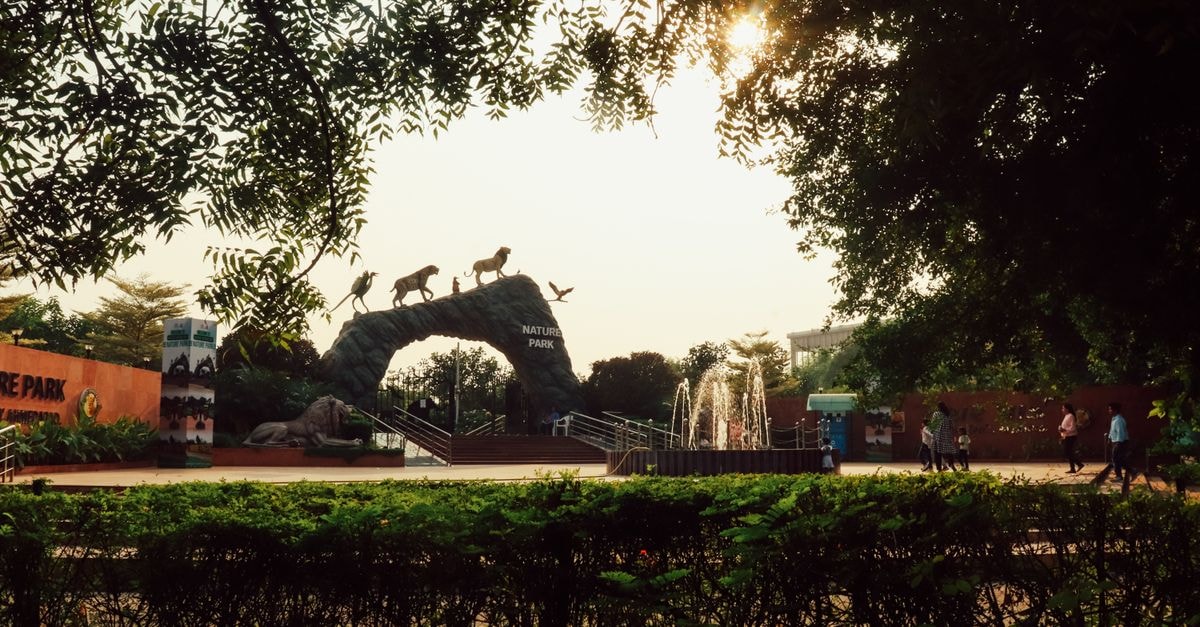
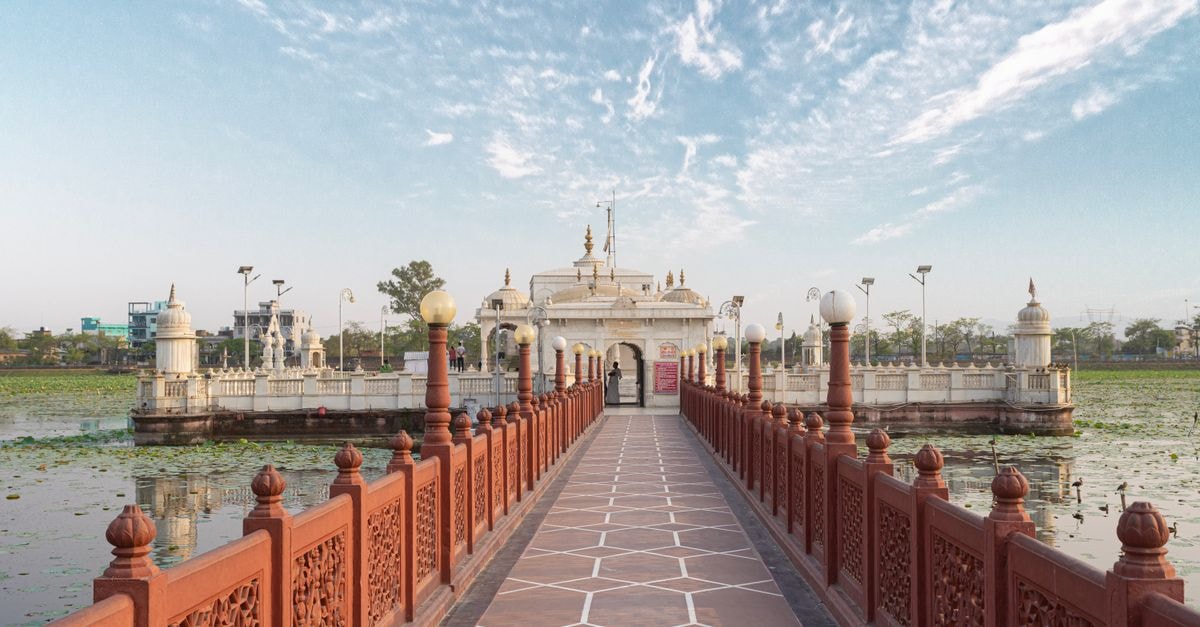
Beyond the plant, the green side of the city is what tends to leave a lasting impression on first-time visitors. City Park and Bokaro Lake are most pleasant in winter, according to local visitor descriptions, which is a useful cue for travelers who enjoy calm lakeside and parkland time. Even read outside any specific month, this nudges a reader toward treating the lake and park area as the slow-paced, sit-and-watch-the-light part of the trip rather than the main sightseeing slot. Travelers who prefer harbor-like or garden-style scenery, where a bench, a walking loop, and a wide horizon do the work, will likely feel at home here; visitors who need a packed landmark list every hour may want to pair this with the plant visit to keep the day feeling full.
Practical planning here is intentionally light because the source material does not detail ticketing, hours, or reservation processes. A short verification question worth raising before the trip is whether the Bokaro Steel Plant currently offers public visitor tours and, if so, what the booking or entry procedure looks like at the time of travel, since industrial sites often adjust access for safety and operational reasons. Treat that as a quick check rather than a known fact, and pair it with any official communication from the plant's administration before committing a day to the tour.
Food in Bokaro and the Wider Indian Dining Culture
Bokaro's food culture is described as an amalgamation of traditional recipes from Jharkhand and culinary styles brought in by people from various parts of India. That description matters for a traveler because it sets expectations honestly: this is not a single-cuisine town where one regional thali defines every menu. Instead, visitors should expect Jharkhandi home-style dishes sitting next to North Indian, Bengali, South Indian, and Chinese-influenced options that have followed migrant communities into the city. A useful mental model is to think of Bokaro as a place to sample traditional Jharkhandi flavors while also being able to fall back on familiar comfort dishes, which is helpful for travelers who want local exposure without feeling locked into one regional repertoire.
The same source frames the must-try food list as a top-ten spread rather than a single hero dish, which again suggests variety over singularity. For travelers who genuinely enjoy working through a list of small plates and local staples, that is good news; for travelers who prefer one deeply researched, definitive specialty dish per city, the approach here may feel less focused. A practical move is to ask locally which Jharkhandi preparations are considered traditional in the immediate area and order those first, then let the wider Indian menu fill in around them.
To frame that experience for visitors stepping into India more broadly, the wider Indian dining culture is home to a staggering array of regional cuisines, each with its own unique flavors and traditions. Food here is more than just sustenance; it is an integral part of rituals, festivals, and social gatherings. Travelers who find that social, multi-dish style of eating appealing will likely enjoy Bokaro's table culture; visitors who strongly prefer quiet, single-entrée Western-style service may want to ease in by ordering one familiar preparation at a time and letting the rhythm build.
Choosing What Fits the Trip
A short reflection helps tie the two halves together. If the draw is industrial heritage and modern India, build the day around the Bokaro Steel Plant tour and let City Park and Bokaro Lake soften the edges with a slow evening walk. If the draw is greener and quieter, flip the structure and use the lake and park as the spine, treating the plant as an optional add-on for the curious. Food-wise, lean into Jharkhandi home-style preparations first, then use the wider Indian menu as a comfort layer rather than a checklist, which keeps the culinary experience grounded in the city rather than in a generic pan-Indian buffet mindset.
A Note Before You Go
This guide is written as evergreen city advice, so specific opening hours, tour schedules, menu prices, and current conditions around the Bokaro Steel Plant and surrounding parks are not asserted here. Travelers should verify access, booking procedures, and any seasonal or operational changes through official channels before departure, since industrial sites, parks, and local services can adjust their arrangements without much public notice.
Factual conditions can change, and the most reliable source for up-to-date details will always be the relevant local administration or operator at the time of travel.
Share this article
TOOLS FOR THIS PLAN
Make the Bokaro plan measurable
Choose a tool only when it answers the next question in your trip. Your values stay in the browser, and each tool offers a route back to this planning context.