A City That Knows How to Live Well

There is a particular kind of pleasure in arriving at a city whose confidence is quiet rather than loud. Bordeaux wears its status lightly, as if it has never needed to announce that it sits at the heart of one of the most celebrated wine regions on earth. The river gives it a slow rhythm, the limestone facades give it a glow, and a steady creative pulse running through new openings and restorations gives it momentum for the years ahead. The result is the kind of place that rewards unhurried wandering as much as it rewards a well-curated list.
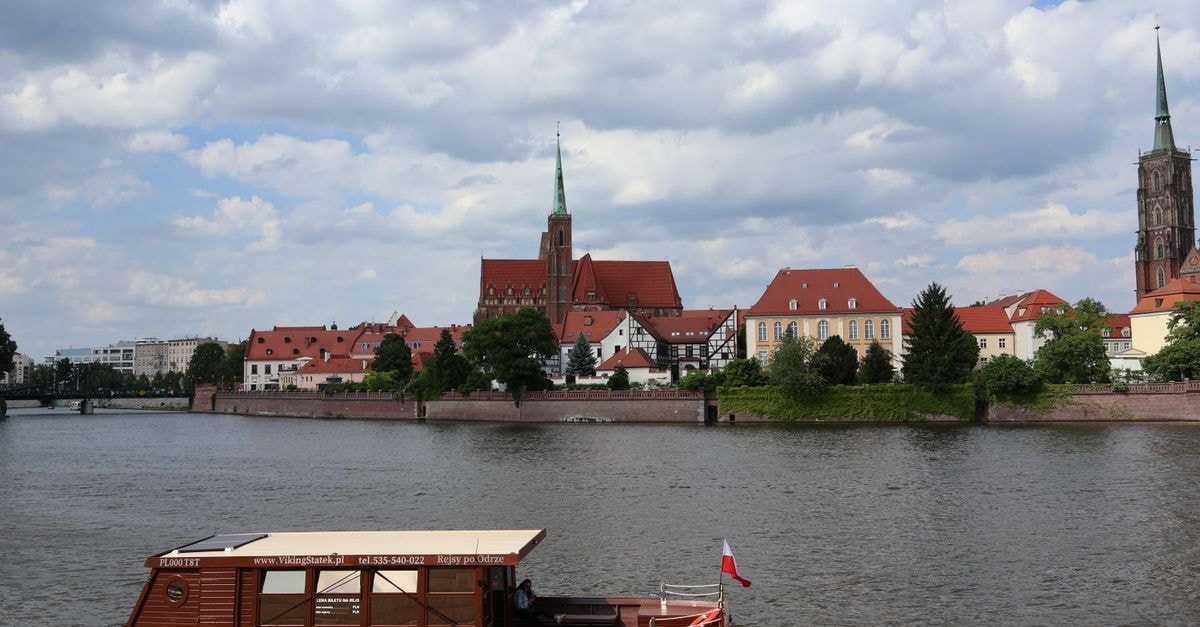
The Garonne River has long shaped the city's outlook, and today the quays are part of everyday life rather than just a backdrop for photos. Locals walk, jog, and pause along the water, and the riverside path ties together grand civic architecture with the kind of neighborhood corners where a small café feels like a small discovery. It is a city that invites you to slow down without ever feeling sleepy, blending the polish of a heritage capital with the appetite of somewhere still becoming.
Weather and Seasonal Context
Bordeaux is often imagined through the lens of its wines, but the climate shapes the rhythm of a visit in ways that are easy to overlook. Summers along the Garonne can feel generously warm, with long evenings that spill onto terraces and into the open-air spaces that locals love. Winters tend to be mild compared to much of France, though rain showers can pass through and the river takes on a moodier, more reflective tone. Spring and autumn are often the most layered seasons, when light softens the honey-colored stone and the surrounding vineyards begin their slow, visual transformation.
Whatever the time of year, the practical advice is simple: pace the day with the sun, lean into the riverside when temperatures peak, and let yourself linger indoors during the cooler hours. The weather is part of the experience rather than an obstacle, and dressing in light layers is usually enough to keep comfortable from morning markets to late dinners. For any specific forecast closer to travel, official local channels are the most reliable reference.
Getting Around
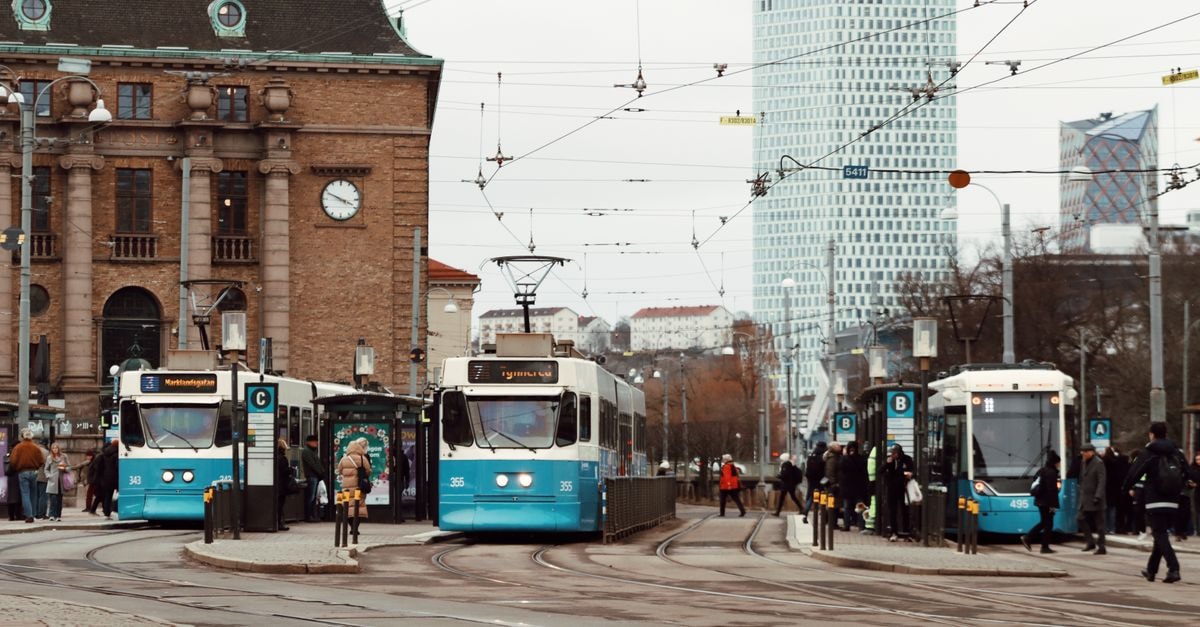
Bordeaux is a city that is genuinely walkable in its central districts, and a lot of the joy comes from covering ground on foot, weaving from riverside walks into streets lined with eighteenth-century stone. When distances stretch further or energy runs low, the public network ties the metropolitan area together with an easy rhythm. The local TBM system runs trams and buses across the city, and within its ticketed offerings Bat³ is listed as a river-crossing option for unlimited-travel day tickets.
Attractions and Planning
The most rewarding way to approach Bordeaux is to let the city's dual identity lead the way. On one side is the weight of heritage: grand ensembles, UNESCO-recognized boulevards, monumental civic spaces, and the kind of architecture that rewards simply looking up. On the other side is a contemporary energy visible in galleries, independent boutiques, cultural seasons, and a calendar that keeps refreshing itself. Milestone anniversaries, carefully considered restorations, and a steady flow of new openings have given the city a renewed sense of direction in recent years, and that momentum is felt as much in small neighborhood corners as in headline institutions.
A few practical mindsets help. First, treat the historic center as a layered space rather than a checklist. Walking from the river inward reveals how the city unfolds, and pausing at viewpoints where the Garonne bends gives the visit a sense of orientation. Second, balance one big-ticket moment in a day with a couple of smaller, more local ones. A landmark visit feels different after a quiet morning at a market square or a slow walk through a residential district. Third, leave room for what the city does best: the art of living, the long meals, the late evening light, and the conversation that runs as long as the wine. Bordeaux rewards travelers who arrive with a plan but travel with curiosity.
Food and Local Context
In Bordeaux, food and wine are not separate categories. They are a single conversation, and the Gironde region around the city enjoys an excellent gastronomic reputation that complements its standing as the world capital of wine. Plates tend to reflect southwest France with an Atlantic sensibility, where ingredients carry a sense of place. There is a coastal-influenced feel here that is a little different from the heavier, butter-led cooking found elsewhere in France: dishes that taste of estuary and pine forest, where sauces tend to flatter the next glass rather than compete with it.
Across France more broadly, gastronomy is treated as serious cultural business, and Bordeaux is no exception to that national attitude toward food. Visitors will encounter that wider French reverence for ingredients, technique, and the ritual of the meal woven into the local rhythm. The classic way to experience it is to anchor a wine choice to a dish, whether that means a structured red alongside a rich plate from the southwest or a crisp white with something briny from the Atlantic coast. Markets, neighborhood bistros, and longer, more indulgent meals are all part of the picture, and the city's food culture feels at its best when it is unhurried.
Practical Notes Before You Go
Keep in mind that prices, opening hours, transit details, and weather conditions can change. Specific current transport offerings, daily ticket windows, and any opening or event calendars should be confirmed through official local channels before departure so that what you read here matches the city you arrive in. Rates and conditions are reference points only, and a quick check closer to travel is always the smartest move.
Bordeaux does not ask to be hurried. It asks to be tasted, walked, and returned to, and that is exactly the kind of invitation worth accepting.
Prices, opening hours, schedules, reservation rules, and local conditions can change; verify them through official channels before departure.
Share this article
TOOLS FOR THIS PLAN
Make the Bordeaux plan measurable
Choose a tool only when it answers the next question in your trip. Your values stay in the browser, and each tool offers a route back to this planning context.