Why Malmö feels different

Malmö has long carried a slightly rebellious reputation within Sweden — a port city on the country's southern edge where the rhythm is looser, the accents sharper, and the skyline younger than what visitors expect from a Nordic capital. It sits as Sweden's multicultural gateway, a place where travelers seeking a different Swedish experience from Stockholm's historic grandeur often find exactly the texture they were looking for.
The city's compact size is part of the charm. You can wander between cobbled squares, modern harbour developments, leafy parks and canal-side walks without the sense that you're constantly transiting. That compactness is also why Malmö rewards travellers who like to slow down and notice details: a painted mural on a side street, a coffee spot tucked into a former warehouse, a waterfront that flips between industrial and intentional.
Getting in and getting around
Malmö is perched on the very southern tip of Sweden, and that geography shapes how people arrive. Two international airports are just a short distance from the city, and the Öresund Bridge offers a seamless connection to Copenhagen and the rest of Europe. That bridge matters in practical terms: it puts Malmö within easy reach of a major international airport hub and a neighbouring capital, which makes the city feel connected rather than remote.
The bridge connection also means Malmö has a crossover cultural personality. Visitors sometimes catch themselves scanning a coffee menu for both Swedish and Danish options, and the TV series *The Bridge* famously dramatised that sense of two cities linked across the water. Locally, you can move between the historic centre and the modern Western Harbour neighbourhoods on foot or by short local trips, which keeps the logistics of a visit refreshingly simple.
What to see and how to plan a day
Malmö's appeal is its layering. You don't have to choose between old and new, between green space and urban energy — the city lets you swap easily between shopping, nightlife, parkland and culture in a single afternoon. That flexibility is genuinely useful when planning: a morning in a museum or design shop can give way to a waterfront stroll, a late lunch, and an evening in a different neighbourhood entirely.
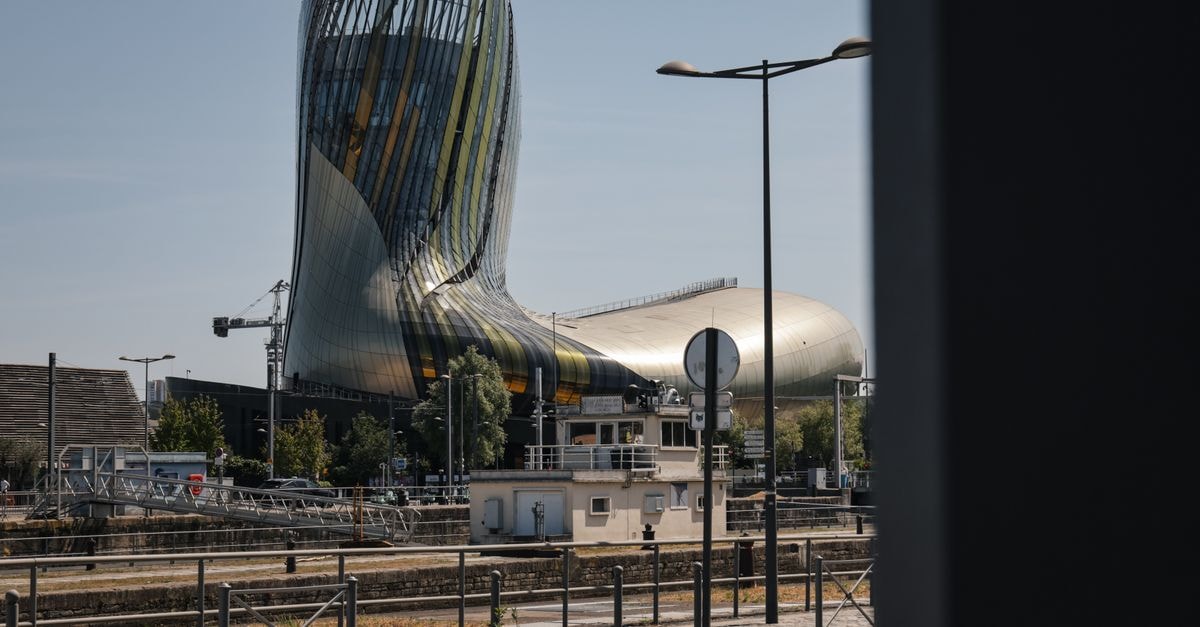
The Western Harbour, or Västra Hamnen, is the most obvious example of the city's ultra-modern side — former dockland reinvented with contemporary architecture and open public space. Pair that with the older central streets and you get the contrast that defines a visit here. Because distances are short, it works well to pick one or two anchors for the day rather than racing across town.
A city shaped by global food culture
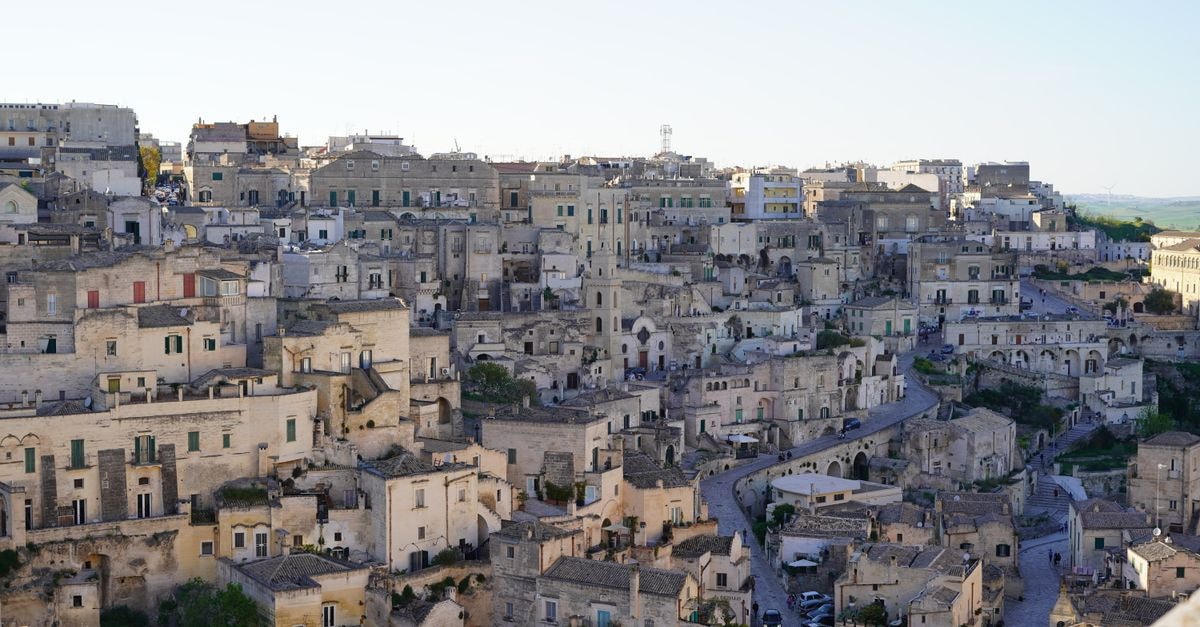
Malmö's food scene is hard to separate from its identity. The city is widely described as a place of contrasts, mixing a historic centre with ultra-modern neighbourhoods, and that mix is most visible on the plate. The blend of old-world charm and ultra-modern cosmopolitan vibes, together with food and culture from every corner of the globe, make this seaside city a must-see for all visitors — and that is felt most clearly when you sit down to eat.
With 187 nationalities and one of Scandinavia's youngest populations, Malmö moves to a global rhythm. The result is a true global smörgåsbord — layered, diverse and constantly evolving. That phrase captures the spirit better than any restaurant list could: Malmö is a city where you can travel through cuisines across a single block, where a bakery next door to a falafel spot next door to a modern Swedish restaurant is the everyday backdrop rather than the exception.
For travellers, this translates into a few simple instincts. Eat where locals queue. Be willing to walk into a neighbourhood you haven't read about in advance. Treat meals as part of the sightseeing rather than a break from it. And when planning, leave room in the schedule — Malmö's food culture is best experienced at an unhurried pace, ideally across more than one sitting.
When to come and how long to stay
Malmö works well as a long weekend or as a stopover on a wider Scandinavian route, especially for travellers using it as a base to dip into Copenhagen via the bridge. The city's compact footprint means two or three well-paced days can cover the main neighbourhoods, while a longer stay lets you settle into the local rhythm — slower mornings, long canal-side walks, and evenings that drift from one neighbourhood to the next.
Because the city is small and walkable, the practical advice is to choose where to stay based on the experience you want: historic centre for atmosphere and walkability, Västra Hamnen for modern design and waterfront calm. Either choice keeps the rest of the city within easy reach.
A few final notes for visitors
- Malmö rewards curiosity over checklist planning. Pick a couple of anchors each day and let the rest unfold on foot. - Keep one meal unstructured. The food scene is one of the city's strongest reasons to visit, and the best finds tend to come from wandering rather than booking ahead every time. - The Öresund Bridge makes the city feel less like a terminus and more like a hinge — between Sweden, Denmark and the rest of Europe. Plan at least a short walk or coffee with that water in view.
Travel conditions and practical details can change, so always check official channels for the latest information on transport, opening hours and entry requirements before you travel. Where prices, schedules or services are mentioned in any source you consult, treat them as reference points rather than guarantees, and confirm directly with providers when it matters for your plans.
Share this article
TOOLS FOR THIS PLAN
Make the Malmo plan measurable
Choose a tool only when it answers the next question in your trip. Your values stay in the browser, and each tool offers a route back to this planning context.