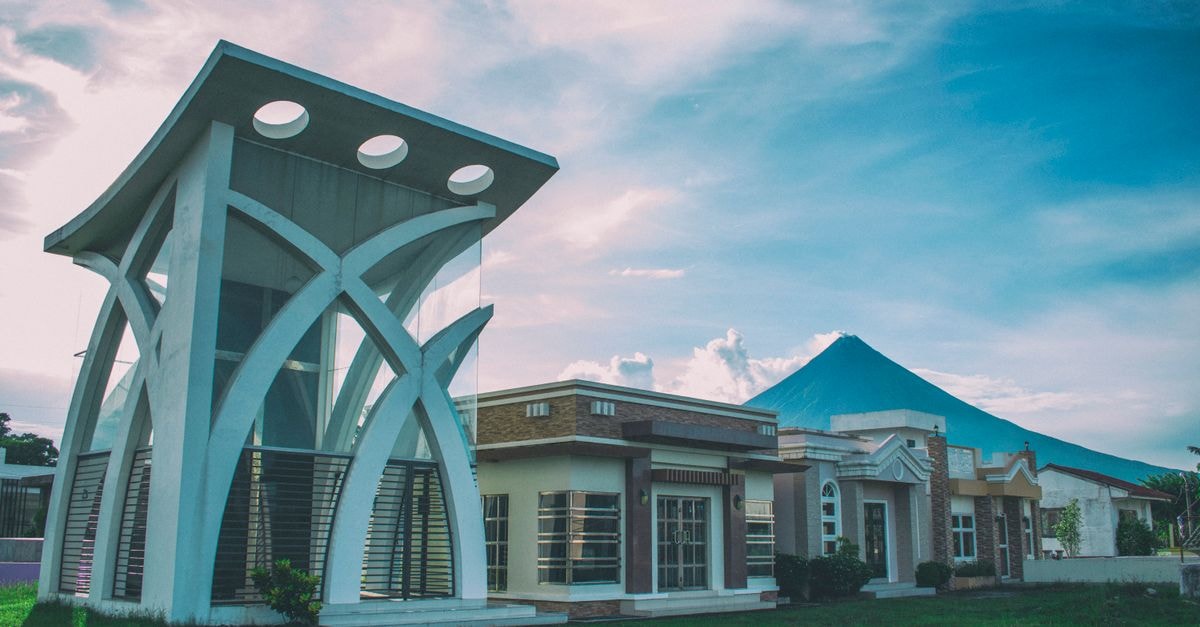
A quiet arrival in the heart of Muslim Mindanao

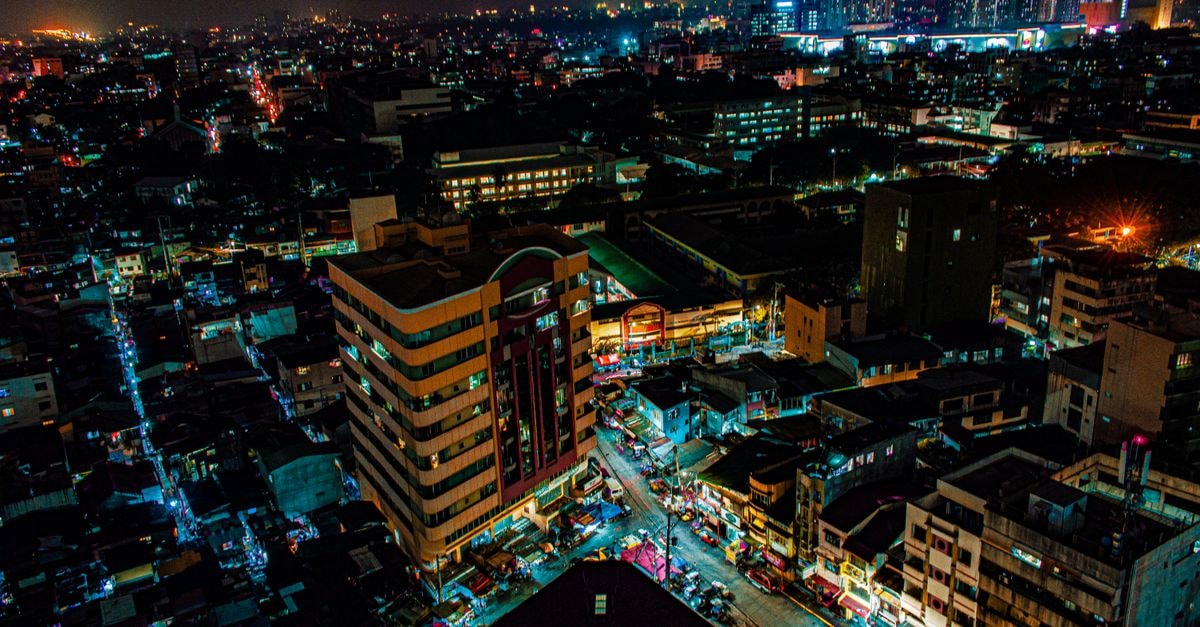
Budta sits within the Autonomous Region in Muslim Mindanao, in the southern Philippines, and it reads as a working town rather than a polished tourist hub. There are no glossy boulevard walks or souvenir strips to tick off; the texture here comes from jeepneys threading through junctions, tricycles pulling up at corners, and the everyday rhythm of a community that lives at its own pace. For travellers who land in this part of the country, the smartest approach is a soft one: arrive with patience, expect informal transport, and let the slower cadence of the place set the tone of your stay.
Weather and seasonal context
The factual ledger for this guide does not include direct temperature readings or current-condition data for Budta. Rather than inventing a forecast or borrowing climate figures from another Philippine city, the responsible approach is to frame your visit around general awareness: this part of Mindanao sits in a tropical belt, the days are warm and humid for much of the year, and sudden rain is always a possibility. Pack a light layer for air-conditioned interiors, carry something quick-drying for an afternoon shower, and plan walking and outdoor time for the cooler parts of the day if heat is a concern for you.
Because no month-specific evidence is available, the guide is intentionally evergreen. Rather than telling you what to expect in any particular week, the sections below focus on what is reliably true about arriving, moving around, and sharing food here regardless of the calendar.
Getting to Budta by air
The gateway airport for the Budta area is the airport serving Cotabato City, often shown by its IATA code CBO. Three Philippine carriers handle this route: Philippine Airlines, Cebu Pacific, and AirAsia all operate flights into CBO. For most travellers, this is the smoothest arrival option, particularly if you are coming from Manila or another major hub within the Philippines.
One important detail to keep in mind is that this gateway airport does not handle direct international flights. If you are travelling from overseas, you will need to route through Manila or another Philippine gateway first and pick up a domestic connection to CBO. Plan the connection carefully, leave a generous buffer for domestic-to-domestic transfers, and confirm baggage through-check policies directly with your airline when you book.
From the airport, the onward journey into Budta, Cotabato City, or Datu Odin Sinsuat is handled by road transport, which the next section covers.
Getting around on the ground
Public transport in this corner of Mindanao is informal, characterful, and well worth understanding before you step out of the airport. The most important fact for any first-time visitor is straightforward: there is no metro system, no large bus network, and no tram service here. If you are imagining the orderly urban transit of Manila or Cebu, reset that expectation.
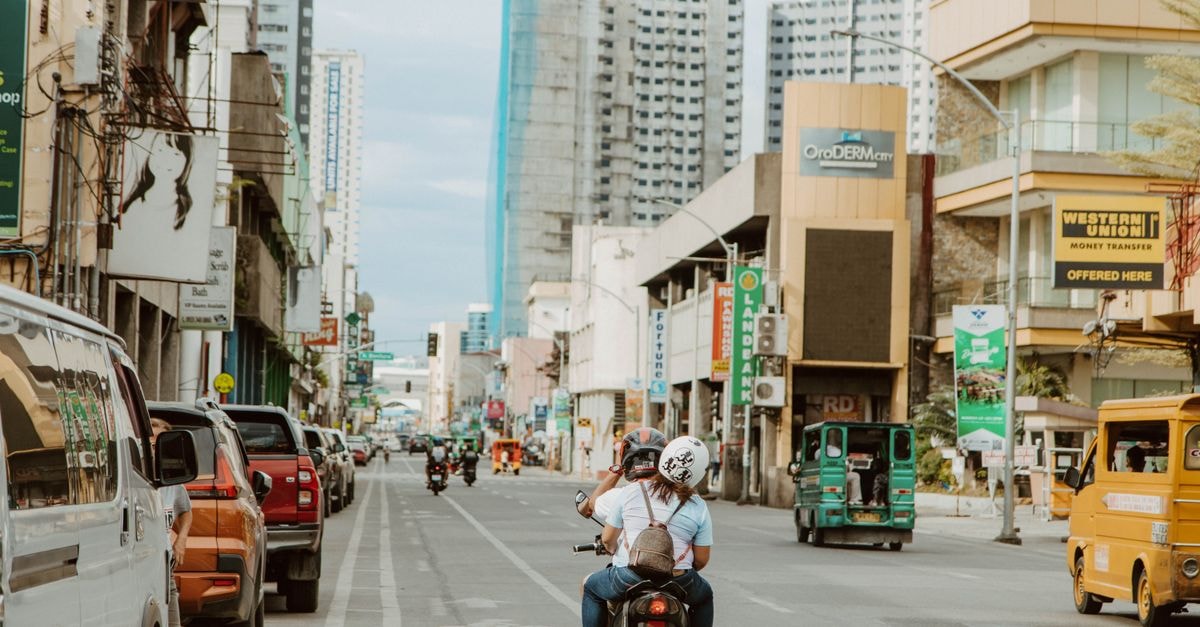
What you will find instead are jeepneys, tricycles, and multicabs. Jeepneys are the colourful, often individually decorated minibuses that are a signature of Philippine roads; they run set routes and are the workhorse of local mobility. Tricycles are smaller motorised three-wheelers, common for short hops and neighbourhood drops. Multicabs fill a middle ground, useful for slightly longer rides within and between adjacent towns. None of these operate on a published tourist timetable, so the practical approach is to ask at your hotel, ask locals at the transport terminal, or simply flag a jeepney down along its known route and ask the driver if they are heading your way.
For visitors who prefer not to rely solely on public transport, hiring a car with a driver for the day is a common workaround in the region and can be arranged through hotels or local contacts. Independent car rental is also a possibility, though roads and signage can vary in quality once you leave the main arteries.
Food and local context
One thing that surprises many travellers to Mindanao is how much the wider Filipino food culture shows up even far from Manila. Across the Philippines, certain dishes anchor everyday meals and celebrations alike, and you will very likely encounter them in Budta, Cotabato City, and the surrounding area. It is worth knowing what to expect so that you can order with confidence and appreciate what arrives at the table.
Adobo is one of the most recognisable dishes in the country. Adobong Baboy at Manok, in particular, is a pork and chicken adobo served in a clay pot that often arrives at the table still bubbling. The sauce is thick enough to coat the back of a spoon, and the meat is slow-cooked until it is so tender that it falls off the bone with only gentle pressure from a fork. It is hearty, savoury, and usually eaten with steamed rice.
Wider Filipino dining culture also shapes how meals unfold here. Filipino hospitality is widely considered generous and warm: strangers may invite you into their homes, share their food, and go out of their way to help. As a visitor, this warmth is one of the most memorable parts of a trip, and accepting an invitation, even briefly, is part of the experience.
A related custom is worth being aware of before your first meal in a local home or at a community gathering. Refusing food outright is considered impolite; the polite minimum is to take a small portion, even if you are not very hungry. If you have dietary restrictions, the smoothest approach is to explain them with a smile at the start of the meal rather than declining dishes as they arrive. This small gesture keeps the social rhythm intact and signals respect for your hosts.
For everyday meals on the road, expect rice to anchor most plates, with protein and vegetable sides rotated through the day. Soups, grilled fish, and stewed meats are common companions to rice. Markets, roadside eateries, and small carinderias (local canteens) are often the best places to eat well without overthinking the experience.
A few practical notes before you go
A short list of grounded reminders can save real time once you arrive:
- Treat jeepneys, tricycles, and multicabs as your default transport; do not expect a metro or large bus network. - Build your air itinerary around the Cotabato City gateway airport (CBO), and remember there are no direct international flights into it. - Keep a small portion on your plate as a graceful minimum when offered food by locals. - Ask locally about current road conditions before any longer drive; routes and surfaces in this part of Mindanao can change with weather and ongoing works.
Finally, a standing note for any evergreen guide: factual travel conditions, flight schedules, road access, and on-the-ground services can shift over time. Before departure, check with your airline, your hotel, and official local channels for the most current information, and treat the points above as a starting framework rather than a final word.
Prices, opening hours, schedules, reservation rules, and local conditions can change; verify them through official channels before departure.
Share this article
TOOLS FOR THIS PLAN
Make the Budta plan measurable
Choose a tool only when it answers the next question in your trip. Your values stay in the browser, and each tool offers a route back to this planning context.