A slower pulse inside the capital

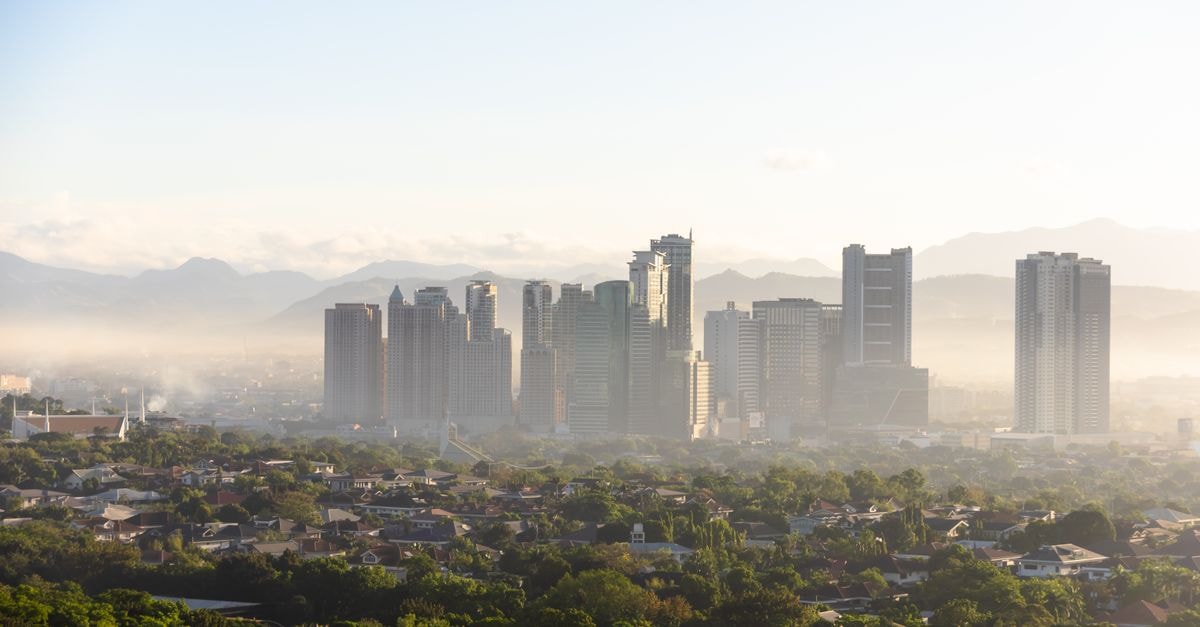
Quezon City has a way of catching visitors by surprise. Step away from the denser, neon-lit pockets of the surrounding capital and the mood shifts almost instantly. Tree-lined avenues open up, residential streets settle into a calmer rhythm, and the air feels just a little easier to breathe. For travelers using the city as a base within Metro Manila, that contrast becomes one of the first things worth noticing, and one of the first things worth appreciating.
This guide focuses on what the available evidence actually supports: how the city reads as a place to move through, and the wider Filipino food and hospitality context that visitors tend to encounter while they are here. It is intentionally compact, evergreen, and built around the idea of arriving curious, then letting the city reveal its texture at a comfortable pace.
Getting around
Quezon City covers a generous slice of Metro Manila, and the way it moves can feel more relaxed than the surrounding capital. One approved travel source describes the city as offering "a welcome break from the madness of the Philippines' largest metropolis," and that single observation does a lot of work for a first-time visitor setting expectations.
In practical terms, that means a few habits tend to make sense. Give yourself more travel time than a map suggests, because traffic in this part of Metro Manila can still slow even a short crossing. Build in pauses between activities rather than chaining stops together, since the city's "welcome break" reputation comes partly from its residential pockets, green spaces, and the way neighborhoods unfurl rather than compress. And treat walking as something to be done in stretches that suit you, with a clear plan for the next ride rather than an assumption that the next corner connects cleanly to your destination.
If you are staying in Quezon City and using it as a home base, that gentler pace is a feature, not a problem to solve. It is one of the reasons independent travelers and slow visitors appreciate the city, and one of the first things worth leaning into once you arrive.
Food and local context
Food is where Quezon City connects most directly to the wider Philippines, and the country-level context here is worth understanding before your first meal. Two strands of approved evidence help shape that picture: what is likely to be served, and how it is likely to be offered.
Across the Philippines, a dish worth recognizing on a menu is adobo, and specifically adobong baboy at manok, the pork and chicken version. The traditional version is memorable: the protein arrives in a clay pot that may still be bubbling at the table, the sauce has thickened enough to coat a spoon, and the meat is tender enough to fall from the bone under gentle pressure from a fork. That kind of presentation is part of the point, so it is worth slowing down and noticing how the dish is brought out before you begin to eat.
The second strand is the social rhythm around the meal. Filipino hospitality is widely described as generous and open, and visitors can reasonably expect to be met with warmth that goes beyond professional service. Strangers, hosts, and casual acquaintances may invite you into homes, offer to share food, or go out of their way to help when something is not quite working in your plans. That generosity is genuine, and it shows up in everyday interactions as much as in formal hosting.
When you sit down to eat in Quezon City, expect the meal to feel less like a transaction and more like a small social event. The food, the way it arrives, and the warmth around it all tend to be part of the same gesture, and the experience is usually better when you let it unfold that way.
Reading the city like a guest
Quezon City rewards the kind of travel that does not try to do too much. The city's reputation as a calmer corner of the capital invites a slower itinerary, and the food culture around it invites you to be present at the table rather than rushing through it. The combination works well: long mornings, unhurried meals, and conversations that have room to breathe.
Approach each day with a loose shape rather than a packed schedule, and let the city's pace set the tone. That is the simplest way to enjoy what makes Quezon City feel different from the rest of Metro Manila, and it is also the simplest way to enjoy the food culture that surrounds you here.
A note on what can change
Travel conditions shift quietly and often, and any specific timetable, price, menu detail, or local service should be confirmed through official channels or current local sources before you rely on it for plans. Use this guide as a way to set expectations and a way to understand the city's rhythm, and check the details that matter for your specific trip closer to your departure date.
This article is evergreen and built around durable context for visiting Quezon City. It does not reference any particular month, season, or year, and the supported facts are limited to how the city reads as a destination, the character of Filipino hospitality, and the way traditional dishes such as adobo are typically presented and shared.
Share this article
TOOLS FOR THIS PLAN
Make the Quezon City plan measurable
Choose a tool only when it answers the next question in your trip. Your values stay in the browser, and each tool offers a route back to this planning context.