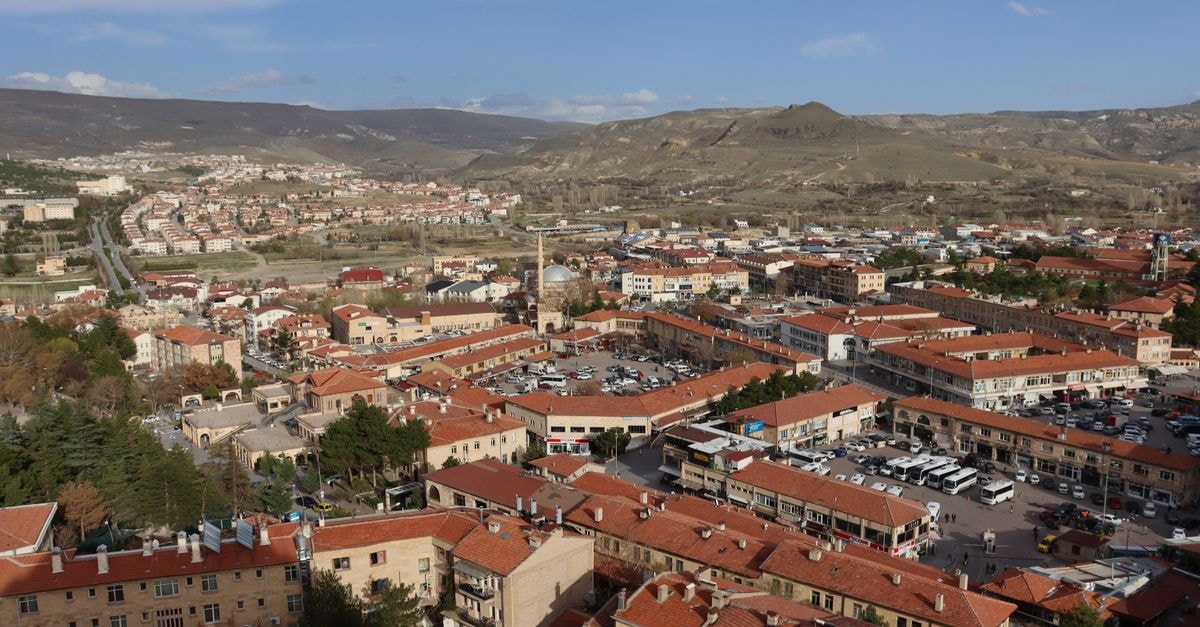
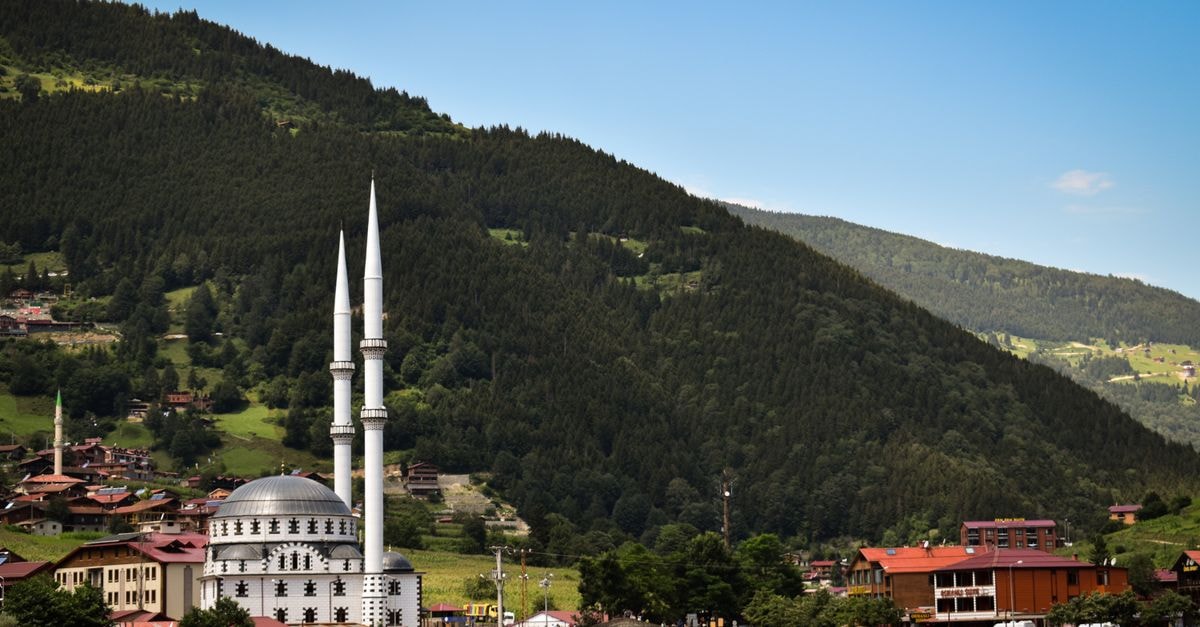
Some destinations earn their reputation slowly, through the travelers and historians who pause long enough to notice. Burdur has long been described that way: a city whose significance comes less from a single landmark and more from where it sits, where roads intersect and where older layers of civilization still brush against the present. For travelers who enjoy destinations that reward a slower pace, where historical depth is part of the everyday landscape, the city offers an inviting, unhurried point of entry into the Lakes Region of southwestern Türkiye.
Getting around
A distinctive practical tool for planning time in the city is the official Burdur Tanıtım Portalı, which allows visitors to build a custom route through the destination. Travelers who like to organize their days around specific themes, and who appreciate being able to choose activity types rather than follow a fixed itinerary, may find this route builder unusually helpful.
The portal works by prompting you to select the province and a specific location, then choose the kinds of activities you are interested in. Once those selections are made, you can begin adding stops to your personal route. The underlying idea is simple but useful for an independent visitor: rather than scrolling through long lists, you assemble a route that reflects what you actually came to see, then follow that route through the city and its surroundings. For travelers who prefer flexibility over packaged tours, a tool of this kind can be a sensible way to turn a short stay into something structured without feeling rushed.
Because the route you build is entirely your own, it is worth deciding in advance which themes matter most, whether that means a half-day focused on a single historical layer or a broader loop touching several neighborhoods and viewpoints.
Attractions and planning
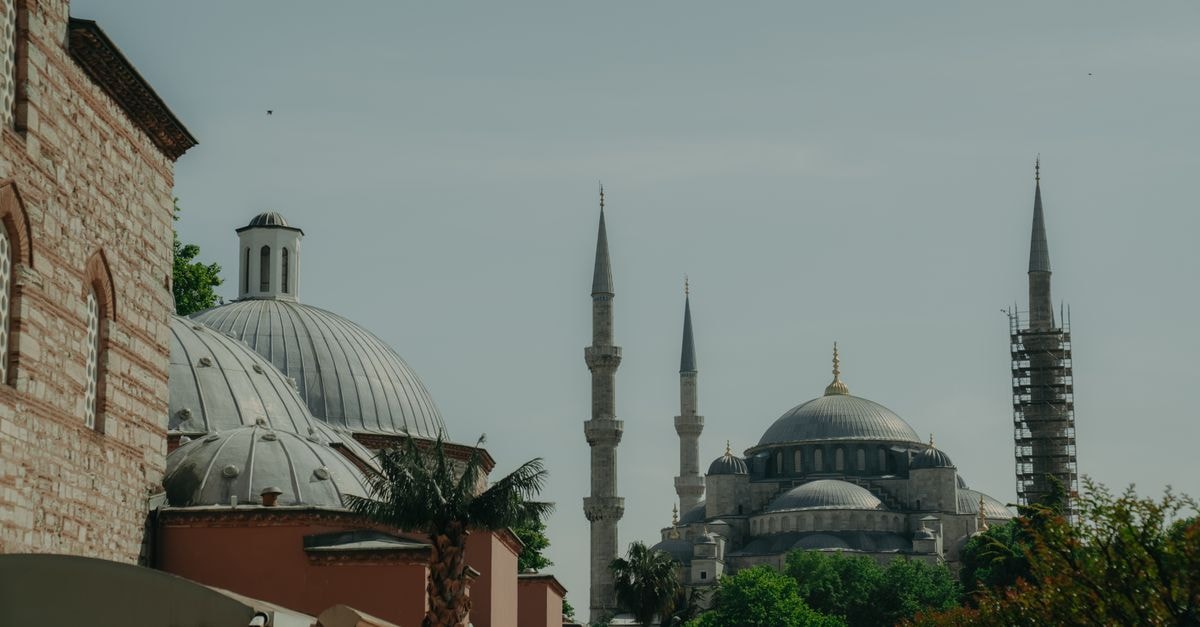
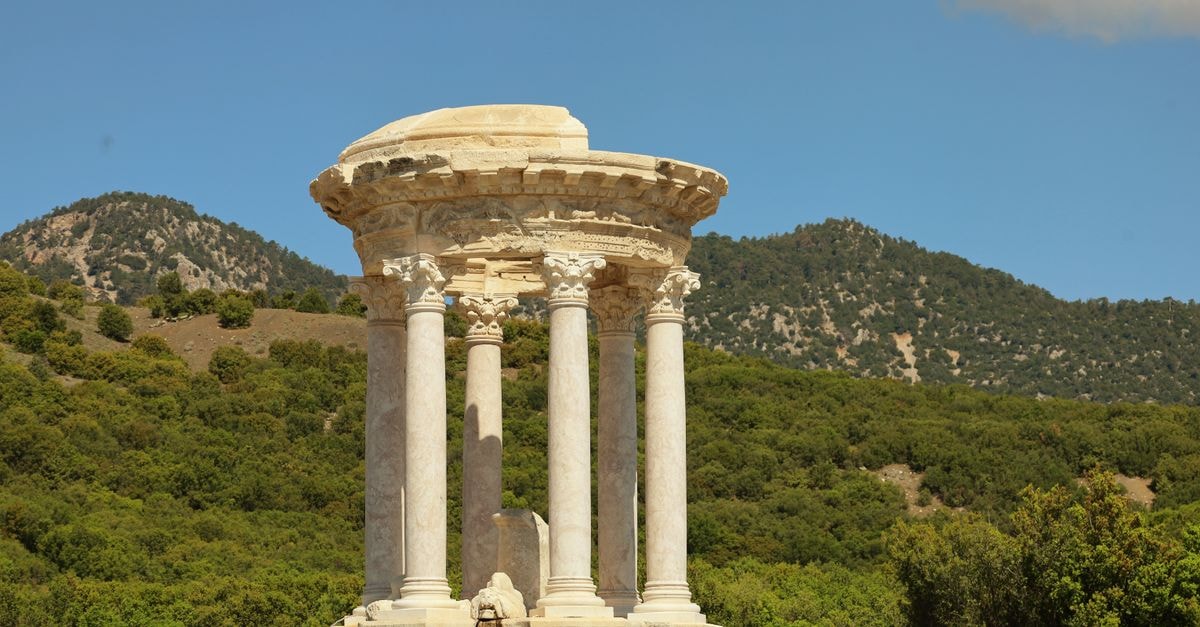
A first useful frame comes from Burdur's own self-presentation as both a meeting point of roads and a meeting point of civilizations. That dual framing is a useful one to carry into a visit. Rather than expecting a single headline monument, the city invites a layered reading: roads that connected Anatolia to the Mediterranean coast, traces of successive cultures that passed through, and a contemporary identity shaped by all of it. Travelers who enjoy destinations where the historical story is felt across the urban fabric, rather than contained in a single enclosed museum, are likely to be comfortable here.
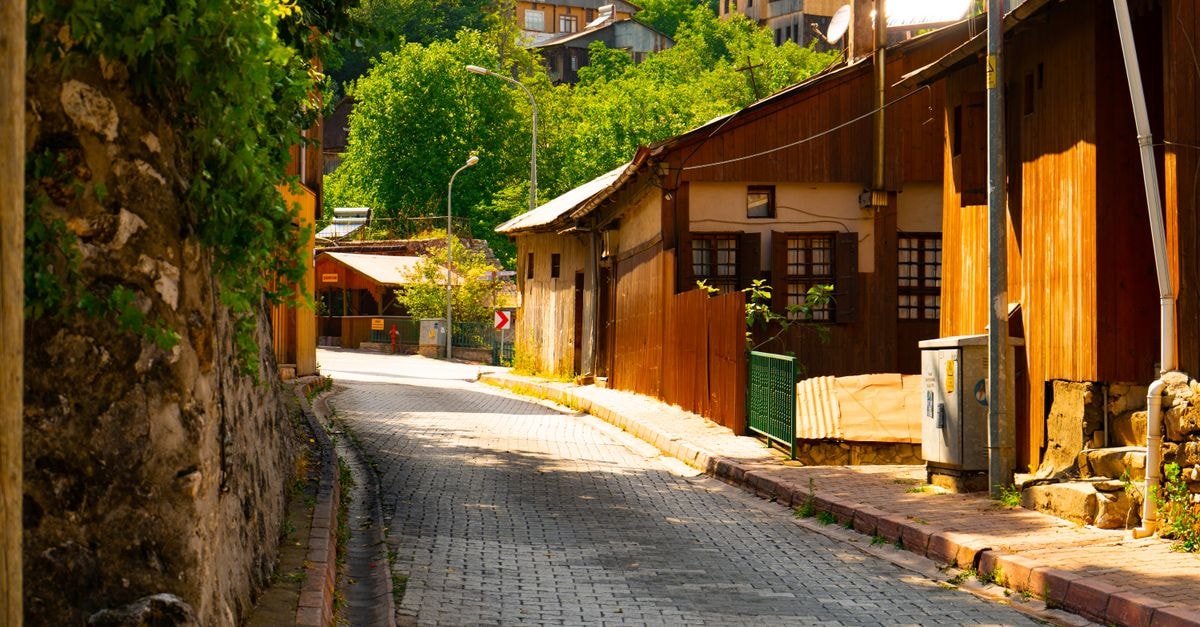
Planning resources for the city tend to follow that same spirit. General listings frame Burdur Province as a place where there are numerous things to do, organized in ways that allow visitors to browse and choose, and they suggest that the destination can suit travelers looking for a quieter, more reflective pace. For a visitor, this translates into an approach that values curiosity over checklist. If you are the kind of traveler who prefers to wander with a loose plan rather than racing between set-piece attractions, the city accommodates that rhythm well.
A practical note for any traveler building days here: even when a guide page lists many options, the experience of Burdur is usually at its best when you allow room for unplanned pauses, a slow café stop, a side street, or a longer look at a view that catches your eye. Because the destination positions itself as a crossroads rather than a single sight, building in flexibility is itself part of a good plan.
Food and local context
Like every city in Türkiye, Burdur sits within a wider national food culture that visitors will encounter as soon as they begin eating out or shopping for supplies. Turkey as a country has its own defining national symbols and civic identity, and food is part of how that identity is expressed from region to region. For travelers, the practical implication is that everyday eating in Burdur will share many rhythms with Turkish cities more broadly: tea culture, the presence of small eateries serving traditional dishes, and a strong bakery and breakfast tradition.
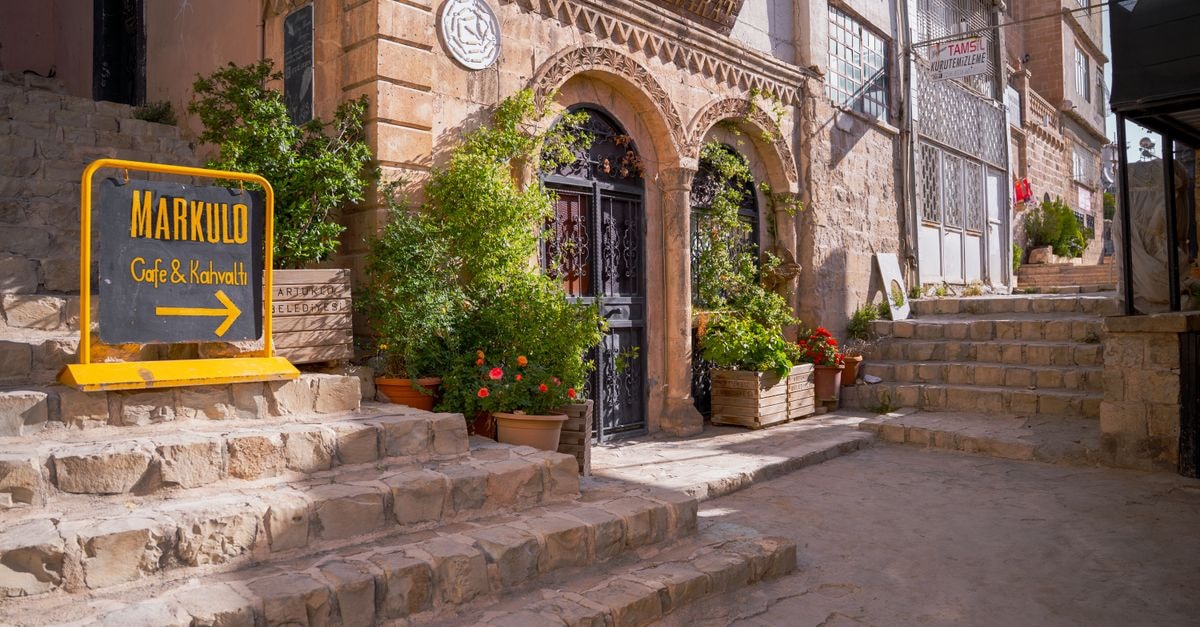
When you arrive, you will notice that many of the small, family-run places that travelers tend to prefer reflect conventions that are recognizable across the country. Travelers who already enjoy exploring Turkish cuisine in its broader form may find that Burdur offers a calm setting in which to do so, without the density or pace of the largest cities. If you specifically want to explore regional or very local specialties, it is worth asking locally which dishes are associated with the area, because the wide national context does not itself point to any city-specific menu.
One practical habit that helps in many parts of Türkiye, including smaller cities like Burdur, is to let mealtimes stretch a little. Breakfast, in particular, is often treated as a slow social ritual rather than a quick refuel, and giving yourself time for it is part of experiencing the place rather than just passing through it.
Choosing what fits your trip
A short visit to a crossroads city tends to reward a single decision: whether your interest is primarily in the layered history of the area, or in a slower, lifestyle-driven stay. If it is the first, you will likely want to use the route-building portal to anchor a focused loop, giving yourself time at each stop rather than rushing between them. If it is the second, you might use the same tool to pick a handful of relaxed anchors, then leave generous gaps between them for cafés, walking, and conversation. Either approach tends to suit Burdur better than a packed schedule, so consider trimming your plan rather than expanding it if you feel pushed for time during the visit.
A note before you go
Travel conditions can change, from opening hours and ticketing to local regulations and transport links, so it is worth checking current information through official channels closer to your trip. The route builder on the Burdur Tanıtım Portalı is a practical starting point for assembling your days, while national and provincial tourism sources can help confirm details once your plans are firmer. As with any destination, treating published guidance as a starting frame rather than a fixed script usually makes for the most rewarding visit.
Share this article
TOOLS FOR THIS PLAN
Make the Burdur plan measurable
Choose a tool only when it answers the next question in your trip. Your values stay in the browser, and each tool offers a route back to this planning context.