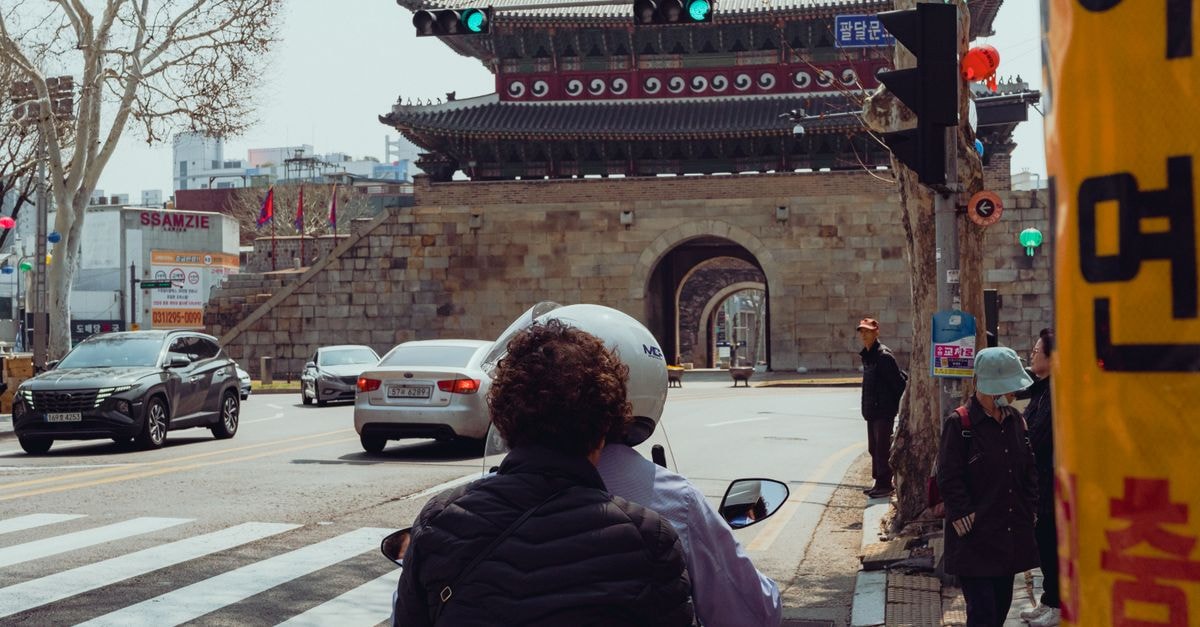
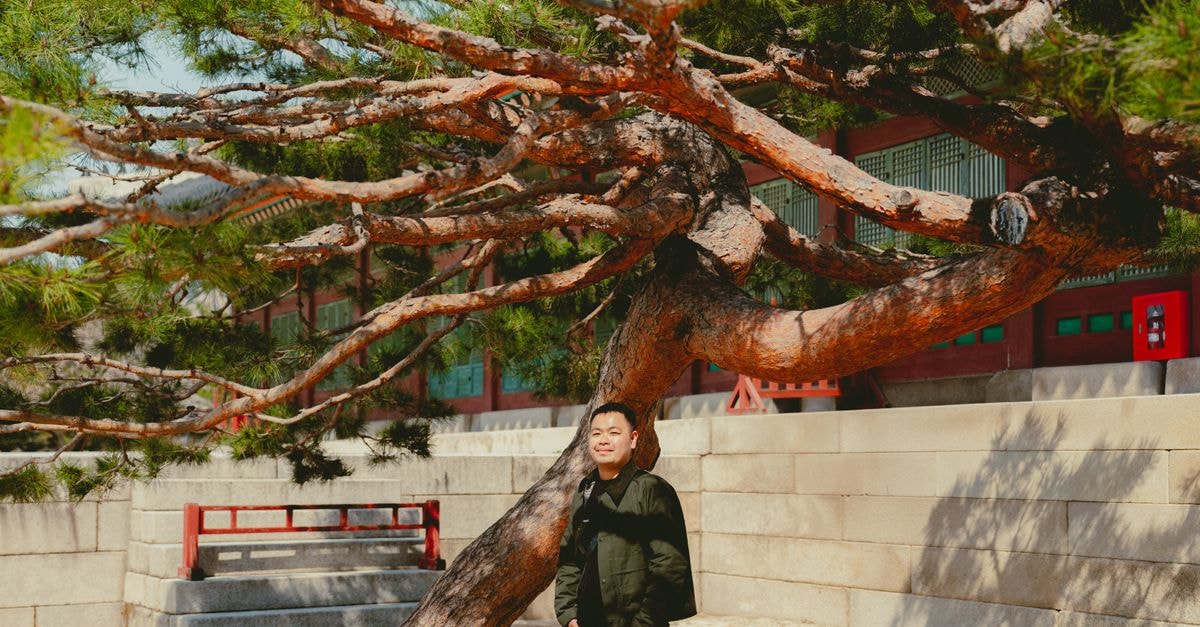
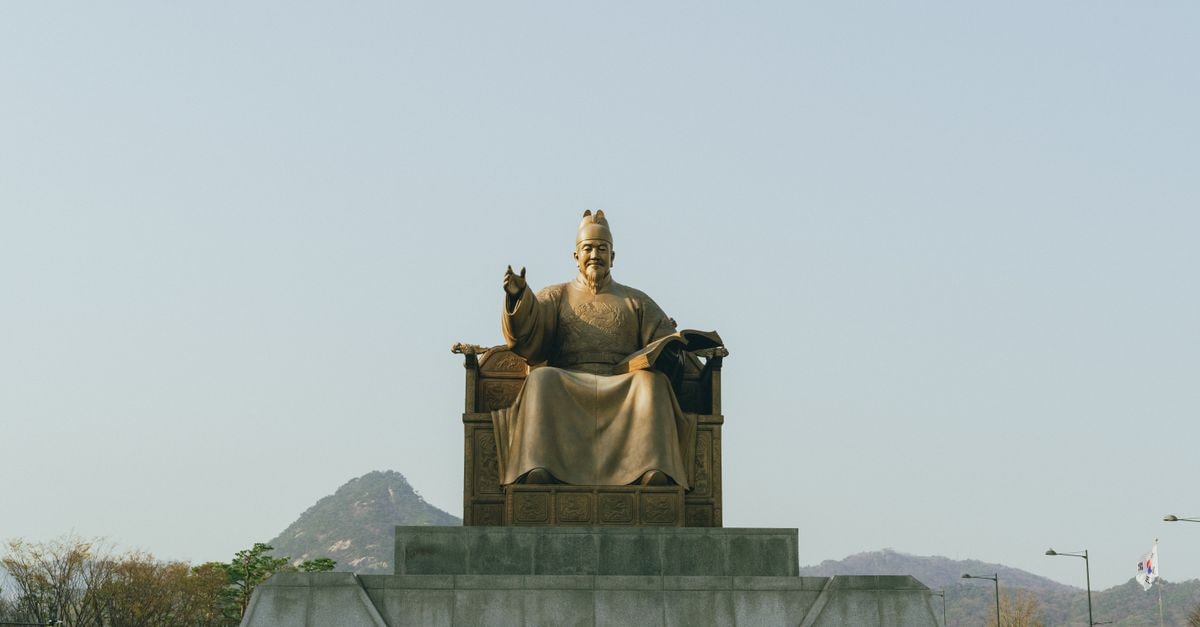
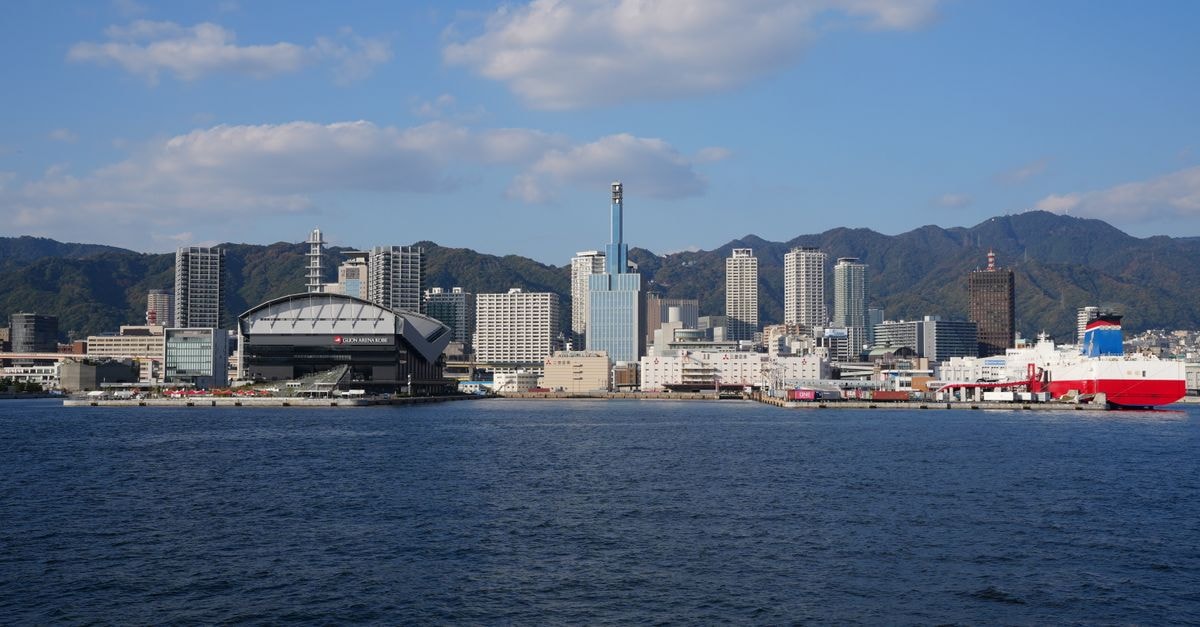
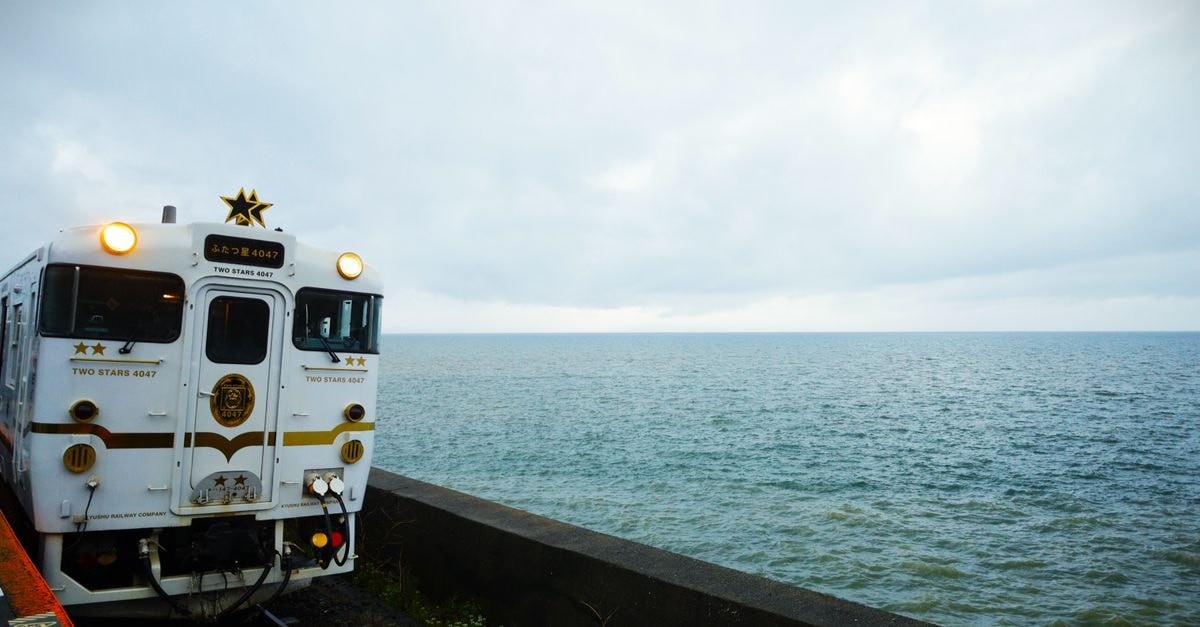
There's something quietly magnetic about Busan. Korea's second-largest city spreads between mountains and the sea, with long sandy beaches, scenic coastal walks, and cliffside temples that can make you forget you are anywhere near a major metropolis. It is a working port city with a relaxed rhythm, a place where the ocean is never very far from your next decision. For a traveler trying to balance sightseeing with the easy pleasures of a seaside break, Busan offers a very practical kind of charm: almost every part of the experience is reachable on public transport, the attractions are flexible enough to mix and match, and the food culture is one of the city's most distinctive calling cards.

If you are planning your first visit, the most useful thing to keep in mind is that Busan is a city where you can visit all its attractive spots using only public transportation. That single fact shapes how much time you need, how heavy your bags can be, and how relaxed you can afford to feel from day one.
Getting around without a car
One of the first decisions any Busan visitor makes is how to get from their arrival point to their accommodation. As a tourist, the practical starting question is simply which arrival hub you are coming into, because from there you will be choosing how to reach your base for the trip. There is no single correct answer; it depends on whether you are arriving by air, by rail, or by intercity bus, and where in the city you have decided to sleep.
Once you are settled, the city's transport system is your main tool. Busan is a city where you can visit all its attractive spots using only public transportation, which means you do not need to plan a rental car, negotiate with taxi drivers across long distances, or stress about parking near crowded coastal viewpoints. The subway, buses, and connecting rail links cover the beaches, the temples, the markets, and the harbor areas that most visitors want to see.
If you would rather not work out the routes yourself, there are also several well priced tour options to help you visit the Busan attractions without having to piece together the transport options on your own. Tours are particularly useful on days when you want to string several distant sights together, or when the language barrier makes a transfer feel heavier than it should. The trade-off is flexibility: a tour moves at the operator's pace, while public transport lets you linger at a beach or temple as long as you like.
A simple rhythm works well for most travelers: use the subway and buses as the default, switch to a taxi for short hops at the end of a long day, and consider booking one guided tour for the day that covers the most spread-out sights. That balance keeps costs predictable and still leaves room for slow mornings by the sea.
Attractions and how to plan your days
Busan's reputation as a beach destination, especially for Koreans, is built on summer, when sunny weather draws crowds to the sand. That said, the city has plenty to offer beyond the peak season, and the spread of attractions means you can build an itinerary around almost any style of travel.
The variety itself is part of the appeal. Long sandy beaches, scenic coastal walks, and cliffside temples are all within reach of the city center, and each of them asks for a different kind of day: a swim and a nap at the beach, a slow wander along the shoreline, or a quieter morning at a temple perched above the water. Busan is the second-largest city in South Korea, so even though the coast gets the headlines, there is an urban layer underneath, with neighborhoods, markets, and waterfront promenades that reward unhurried exploration.
For first-time visitors, the smartest move is to decide early whether a sightseeing pass makes sense for your trip. The Visit Busan Pass can be a good value if you are planning to see a few major attractions, and it also covers several other sights beyond the headline ones. If your plan includes a beach morning, a temple visit, and one or two indoor or harbor stops, a pass can replace a stack of individual tickets with a single purchase. If your style is more about wandering and one big anchor activity per day, individual tickets may serve you better.
A practical way to think about Busan is in pairs. Pair a coastal walk with a temple on the cliffs above it. Pair a beach morning with a slow lunch nearby. Pair a harbor or market visit with a quiet evening neighborhood stroll. The geography of the city makes this kind of pairing easy, and it stops you from spending half your trip in transit.
Food and local context
Food is one of the most rewarding ways to feel oriented in Busan. The city is recognized as a city of gastronomy in Korea, which is a useful piece of context even before you start mapping out specific meals. A designation like that does not tell you exactly what to eat or where to go, but it does tell you that food here is treated as a serious cultural expression, not just a way to refuel between sights. Walking through the city, that attitude shows up in the density of small restaurants, market stalls, and seafood counters, especially near the harbor and coastal neighborhoods.
If you have been thinking about a Busan food trip, the honest advice is simply to give yourself room for it. Build meals into your plans the same way you build attractions, rather than treating them as something to squeeze in at the end of a sightseeing day. Even a single unhurried evening spent browsing a market street or letting a server bring out the day's specials can change how you remember the city.
Because food is woven into the sightseeing experience here, it pairs naturally with the way you move around. Public transport makes it easy to cross from a coastal temple to a harbor-side dinner without a car, and a tour day can end just as easily at a neighborhood known for its small restaurants. The same flexibility that makes the city's attractions easy to combine makes the food scene easy to explore in layers, one neighborhood at a time.
A simple rhythm for a first visit
If you want a framework rather than a checklist, think of Busan as three overlapping layers: the coast, the city, and the food. Most days will blend all three, and that blend is the point.
Spend at least one full day moving slowly along the shoreline, with time for a temple stop and a long lunch. Spend another day in the urban neighborhoods, using the subway to hop between sights covered by a sightseeing pass if you have one. Reserve at least one evening for a meal chosen with curiosity rather than convenience, in a neighborhood you have not otherwise planned to visit. On the remaining days, let the weather and your energy decide.
This is not a city that rewards rushing. The transport is easy, the attractions are flexible, and the food rewards unhurried choices. Move at a pace that lets the sea air get into your itinerary, and Busan tends to take care of the rest.
*Factual travel conditions in Busan can change, so it is always worth checking official transport, attraction, and tourism channels for the latest information before you finalize your plans.*
Prices, opening hours, schedules, reservation rules, and local conditions can change; verify them through official channels before departure.
Share this article
TOOLS FOR THIS PLAN
Make the Busan plan measurable
Choose a tool only when it answers the next question in your trip. Your values stay in the browser, and each tool offers a route back to this planning context.