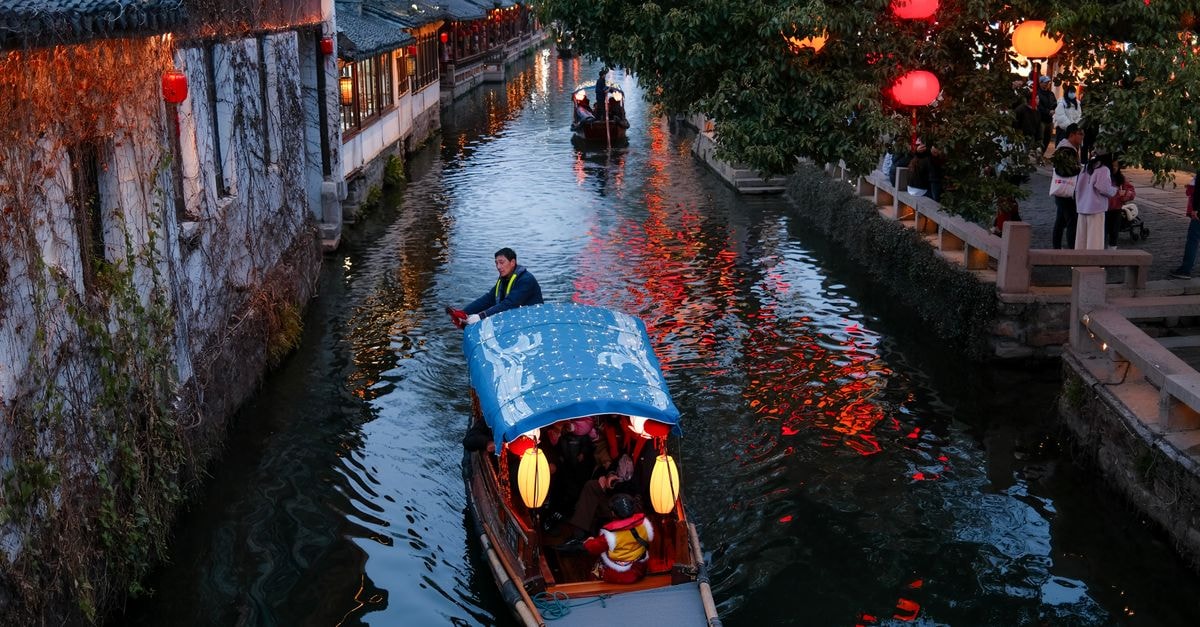
A first look at Changsha

If you are planning a trip that leans on culture, walking, and slow exploration rather than a checklist of blockbuster sights, Changsha rewards that pace. The city has classic cultural corners to discover, even if heritage sightseeing is not the sole reason to come. Below is a practical, evidence-based guide to help shape a thoughtful visit.
Weather and seasonal context
The Hunan provincial government's English-language portal is a reliable starting point for current conditions and any local advisories, and it is worth checking it shortly before you travel so you can pack and plan around the actual forecast rather than an average. Changsha's subtropical riverside setting means summers can feel notably warm and humid, while shoulder seasons often bring milder days that are comfortable for long walks and outdoor sightseeing. Rather than treating weather as a fixed feature, treat it as a daily variable: a light layer, a compact umbrella, and water-resistant shoes will serve you across most of the year.
Because conditions can shift quickly between bright sun and sudden rain, planning your outdoor time for the cooler parts of the day is a sensible habit. Early mornings and the hours after sunset are typically the most comfortable for riverside strolls, open-air plazas, and any extended walking between neighborhoods. Treat these as gentle suggestions rather than guarantees, and let the live forecast guide your final call.
Getting around
Changsha rewards visitors who pick a central base and explore on foot. Recent traveler impressions describe hotels in well-located districts as walkable to nearby sights, which means you can keep transit simple and spend more time looking up at the streets rather than navigating them. Choose accommodation in a neighborhood that puts several of your planned stops within walking distance, and you will feel the city open up at a slower, friendlier pace.
For longer crossings, the city's public transport network fills the gaps efficiently, and ride-hailing apps work well for door-to-door trips. If you are arriving from abroad, pay attention to entry rules before booking flights, since visa conditions change and should be verified through official channels for your own passport. One frequently cited reference notes that China's 30-day visa-free policy is available for Canada and the UK, though this kind of detail should be reconfirmed with the relevant authorities before you travel. Many travelers also book Changsha as part of a wider China tour package, which can smooth out the visa and intercity logistics for first-time visitors.
Attractions and planning
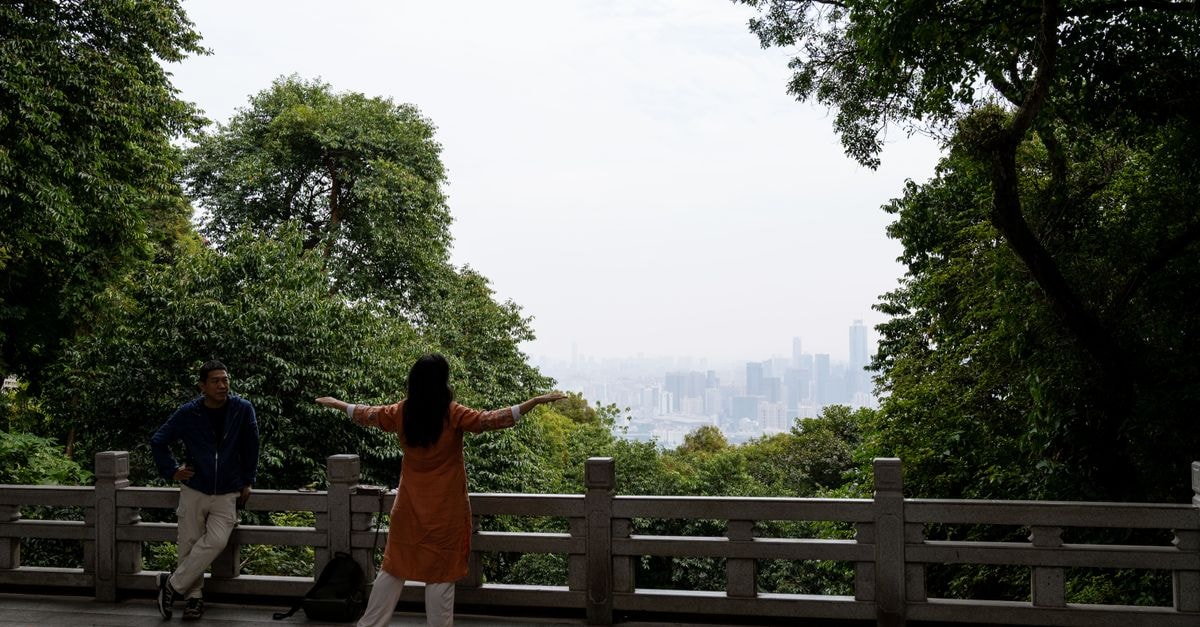
Changsha is not a city that overwhelms you with a single headline monument; instead, it offers a thoughtful collection of cultural stops that reward curiosity. The city's attractions landscape reads like a measured list rather than a checklist, with a handful of signature places and many smaller corners to discover. Among the most talked-about cultural sights are Mt. Yuelu, the historic Mawangdui Han Tombs, the Hunan Provincial Museum, and the Changsha Museum, which together sketch a clear arc from ancient tombs to regional art and history. These four give a solid base for any first visit.
Orange Isle (Juzizhou) is another anchor point. The island has a history of more than 1,700 years. A related cultural addition, the Jiangtian Muxue Cultural Park, opened to the public in an evening ceremony and adds a contemporary cultural layer to the riverside. Together with the broader intangible cultural heritage projects that the city counts among its living traditions, these sites give travelers a sense of Changsha as a place where ancient craft, regional memory, and modern city life sit side by side.
A practical approach is to group your sightseeing geographically: dedicate one day to the museum cluster and old-town cultural stops, another to Orange Isle and riverside walking, and a third to Mt. Yuelu and any neighborhood exploring that follows naturally from there. Keep plans loose enough that you can linger in a teahouse or follow an unexpected lane, and you will get a fuller picture of the city than a tight schedule allows.
Food and local context
Food in Changsha, as elsewhere in China, is one of the most enjoyable ways to understand the city. While the city has its own regional culinary identity, visitors will quickly notice that eating is treated as a serious pleasure across China. China is a country with a long history of ritual and etiquette, and dining has developed into a highly codified social art, so knowing a few basics makes every meal smoother and more enjoyable.
In wider Chinese dining culture, mealtime is social, generous, and unhurried. Dishes are typically shared, the host often orders for the group, and it is common to try a little of everything rather than fill up on a single plate. Tea or water is served throughout the meal, and small toasts or warm phrases accompany the food. Travelers who observe rather than rush tend to have the best experiences, since much of the pleasure comes from pacing yourself and savoring each course as it arrives.
Street food, family kitchens, and informal neighborhood restaurants are part of everyday Chinese life, and Changsha is no exception. The same etiquette applies whether you are sitting down to a long banquet or grabbing a quick bite: wait for elders or hosts to begin, use the serving chopsticks or spoons when they are provided, and leave a small amount of food on your plate at the end of a meal as a polite signal that your host has provided generously. These are nationwide customs you will encounter while eating in Changsha, and a little awareness goes a long way toward feeling at home.
A few final notes
Changsha suits travelers who like to mix cultural depth with everyday street-level wandering. A central, walkable base, a short list of heritage stops, and an open attitude toward the pace of Chinese mealtimes will get you most of the way to a satisfying visit. Treat this guide as a starting frame rather than a fixed plan, and let your own curiosity shape the days once you arrive.
Factual travel conditions, including entry rules, transport options, opening details, and seasonal weather, can change without notice, so always confirm the latest information through official channels before you depart.
*This guide is evergreen and reflects general conditions for visiting Changsha. Verify current weather, entry, and ticketing details through official sources before travel.*
Share this article
TOOLS FOR THIS PLAN
Make the Changsha plan measurable
Choose a tool only when it answers the next question in your trip. Your values stay in the browser, and each tool offers a route back to this planning context.