A welcoming eastern crossroads

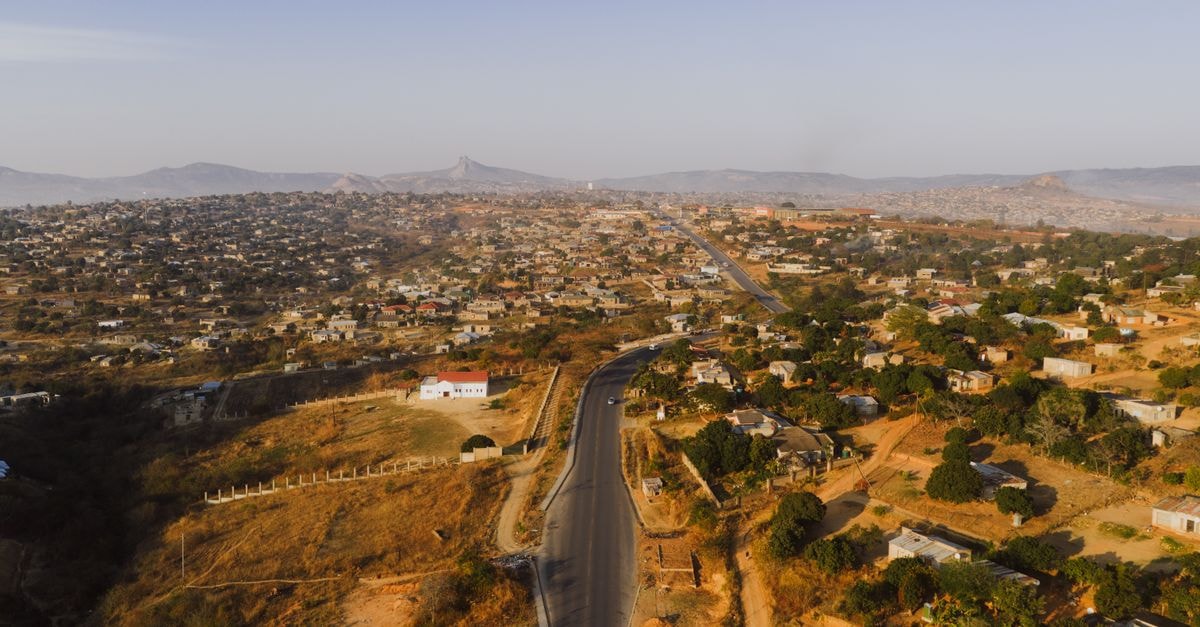
This is a town that has been quietly important for a very long time. Chipata was once the capital of North-Eastern Rhodesia, a historical thread that still gives the place a sense of being a regional anchor rather than just a stop on a map. Today, that role plays out in a more relaxed way: Chipata serves as the essential supply stop for travelers heading onward to South Luangwa and as a key crossing point toward the Malawi border. With a population of around 100,000, the town sits comfortably in its role as an eastern hub — a working provincial capital where the everyday sets the rhythm.
Getting around
A few orientation notes tend to help visitors settle in quickly. The main market area is a natural anchor for a first wander, both for getting your bearings and for picking up anything you need for the road ahead. Bus and shared-transport options radiate out from a central area, which makes it straightforward to plan an early departure without last-minute stress.
As a gateway town, Chipata is built around travelers, so the basics of moving on are simple. Whether you're continuing toward South Luangwa or heading east toward the Malawi border, the transport network is geared toward helping you keep moving. Visit Zambia Ltd, an inbound tour operator based in Chipata City, can be a useful starting point for travelers who want local assistance arranging onward logistics.
If you're planning to linger, the town's compact layout makes a slow, on-foot exploration genuinely pleasant. The market streets in particular invite unhurried browsing, and the warmth of local hospitality tends to surface quickly in casual encounters. Take it as an invitation to slow down rather than simply tick boxes.
Attractions and planning
Chipata lives in the imagination of many travelers as a waypoint, which slightly undersells what makes a stop here genuinely enjoyable. The town's draw is less about headline sights and more about the texture of daily life — a vibrant market scene, the rhythm of a working provincial capital, and the friendliness that Eastern Zambia is quietly known for.
A practical first stop is the central market area, which functions as the social and commercial heart of the town. It's a useful place to orient yourself, pick up local crafts, and observe the everyday flow of a place that serves as a supply hub for a wide surrounding region. Travelers heading onward to South Luangwa often find that this market is where they quietly stock up on anything they realized too late they needed — or simply didn't realize they wanted.
The town's role as the administrative capital of the Eastern Province gives it a layer of civic infrastructure that bigger guidebooks sometimes skip past. That's worth knowing less for a checklist and more for context: Chipata has the services and amenities you'd expect of a regional capital, from official offices to a range of accommodations, which makes it a comfortable base for travelers who want to slow their pace.
When you're building a visit, think of Chipata in layers rather than a tight schedule. A relaxed morning wander, a market browse, a conversation over coffee, and an unhurried lunch offer more of the town than any rushed checklist would. If you're continuing toward South Luangwa or the Malawi border, treat Chipata as the place where you transition into a slower traveling mindset — that small mindset shift is often the most rewarding thing you take with you.
A few practical notes before you go
Chipata is, above all, a place that rewards travelers who arrive curious and stay flexible. It's not a town built around ticketed attractions or scheduled experiences; it's built around the everyday. Bring curiosity, a willingness to slow down, and a sense of humor about plans that bend with the weather or a long conversation, and the town will quite naturally show you its best side.
A small but meaningful piece of advice: keep your plans loose. Chipata has a way of rewarding travelers who let the day's shape emerge rather than forcing it, especially if you take time to talk with the people you meet along the way.
Final verification note
Travel conditions can change, and details such as transport schedules, market hours, road conditions, and local services may shift over time. Before departure, it's a good idea to confirm current information through official channels, your accommodation, or a registered local operator such as Visit Zambia Ltd, based in Chipata City. Treat this guide as a starting framework rather than a fixed itinerary, and let the town itself help you refine your plans on arrival.
Share this article
TOOLS FOR THIS PLAN
Make the Chipata plan measurable
Choose a tool only when it answers the next question in your trip. Your values stay in the browser, and each tool offers a route back to this planning context.