A slow-paced Andalusian capital worth lingering in

Córdoba is the kind of city that whispers rather than shouts. Visitors arrive expecting a single headline sight and quickly discover that the reward here is a slower rhythm — letting the light shift across whitewashed walls, slipping into a tiled courtyard for a cold glass of something local, and noticing how many centuries of civilization have left their handwriting on the same narrow streets. The city rewards travelers who refuse to rush, and that single idea shapes how most of the practical decisions below are framed.
This guide stays intentionally compact. Rather than padding it with assumptions, it focuses on three things the available evidence actually supports: how Córdoba's climate shapes a day on the ground, how the city connects to the rest of Andalusia and Spain, and what the food culture is built on. Use it as a starting frame, then let your own curiosity fill in the details once you arrive.
Weather and seasonal context
Córdoba's experience of a day changes more than its average temperatures might suggest. The city is widely understood to depend on when you go, which barrio you happen to be standing in, and what kind of traveler you are, which is a useful reminder that climate here is felt locally rather than read off a single forecast.
In the warmer stretch of the year, the city reveals a kind of nocturnal magic: residents and visitors tend to push activity into the cooler hours, and the streets take on a different texture once the sun eases off the stone. That said, this is general sense of the city's character, not a guarantee for any specific week. Conditions on the ground should be checked closer to travel.
A practical rhythm that locals tend to follow is simple: front-load the morning. The Alcázar gardens are best reached early, before the heat fully settles in, after which a free walking tour is a popular way to cover the Roman Bridge and the narrow callejuelas of the Judería before the day peaks. The same logic applies in reverse later on — leaning into the evening rather than the middle of the day. If your itinerary has outdoor highlights, treat the early morning and the post-sunset hours as your main working window and give yourself permission to slow down in between.
Getting around
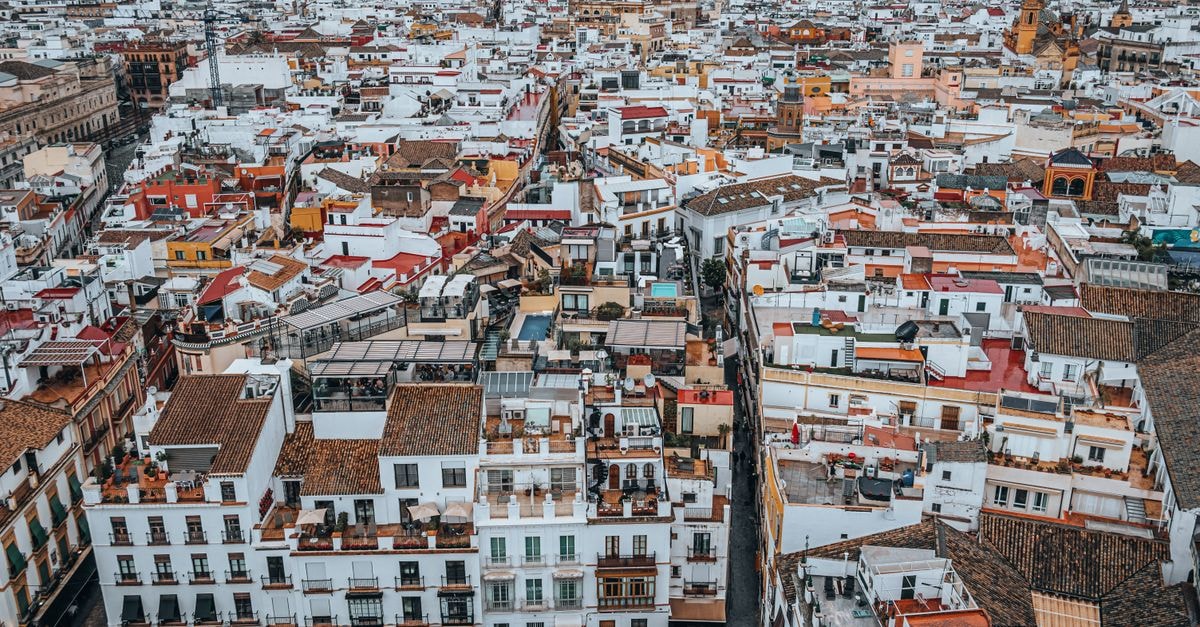
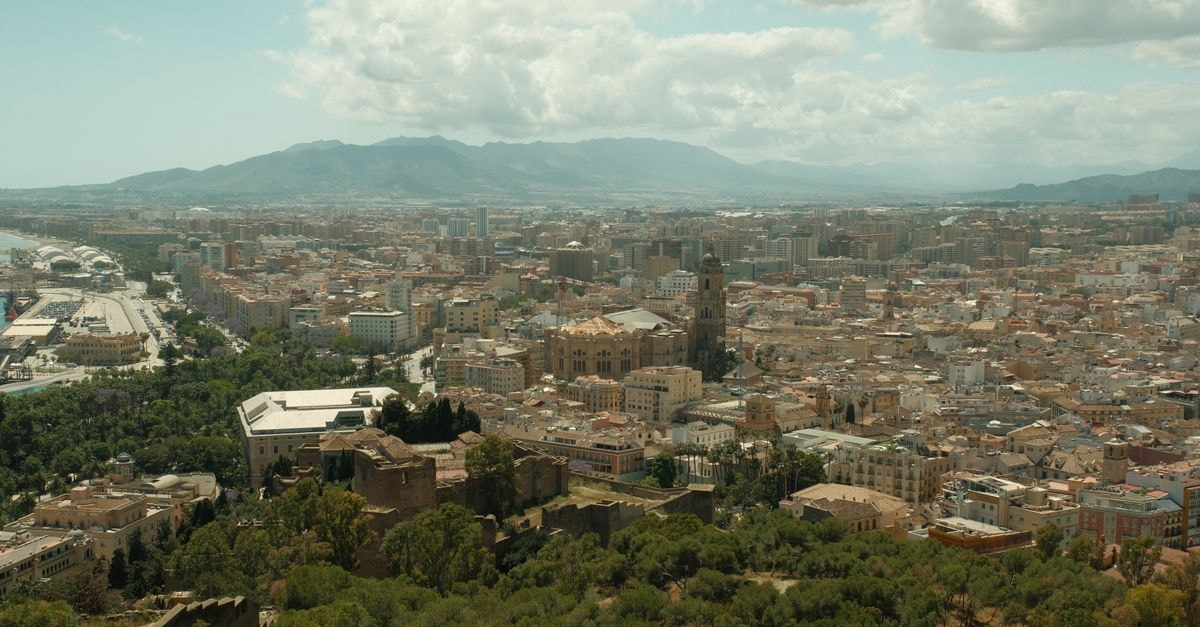
Córdoba is famously associated with one extraordinary monument — its Great Mosque — but the city is best understood as a network of short walks between small neighborhoods. The historic core is compact enough that most of the day can be spent on foot, which is itself a way of reading the place: each turn reveals another tiled doorway, another hidden plaza, another slice of the layered past.
When the journey starts further afield, the rail network is the easiest way in. High-speed trains link Córdoba to Seville in about 40 minutes, to Málaga in roughly 50 minutes, to Granada in around 1 hour 30 minutes, to Madrid in about 1 hour 40 minutes, to Valencia in around 3 hours, and to Barcelona in roughly 4 hours 35 minutes. The city also has its own airport (code ODB) operating regular flights for those arriving by air. These figures describe the published durations and connections themselves, not current ticket availability, so fares and timetables should be checked directly with the operator before booking.
For a half-day outing, a dedicated daily bus runs out to the archaeological site of Medina Azahara, which sits outside the city and is one of the most striking short excursions available. Schedules and departure points for that bus are run by local transport authorities, so it's worth confirming the current timetable before planning a specific morning around it. Within the historic core, comfortable shoes and a willingness to wander tend to matter more than any particular route.
Food and local context
Cordoban cuisine is treated locally as one of the city's biggest attractions in its own right, and the cooking here has a clear sense of place. The local recipe book is shaped by the civilizations that have passed through these lands, and the dishes draw on the products of two surrounding landscapes: the hilly Sierra to the north and the flat Campiña river valley. Together those give the kitchens a working pantry of game, vegetables, olive oil, and pulses that you can taste across the menu.
Córdoba is also a city with a small, specific, unrepeatable food culture, which is a useful way to think about eating here. Rather than chasing trends, the most rewarding approach is to lean into the places that have been doing the same thing for decades. A good example is Bodega Guzmán, where fino can be poured straight from a barrel that has been there since 1922 — a small ritual that quietly sums up the city's relationship with its own traditions.
A short, practical checklist
- Plan one major outdoor sight for the morning and save indoor visits or long meals for the warmest part of the day. - If Medina Azahara is on your list, build the day around the dedicated bus and confirm the current schedule in advance. - Treat the train as the default arrival method if you're combining Córdoba with Seville, Madrid, Málaga, or Granada — the connections are short and frequent. - Eat with the city's own logic: let the Sierra and Campiña ingredients lead, ask what's been poured from the same barrel for decades, and resist the urge to rush between courses.
Final note before you go
Travel conditions — including weather details, transport timetables, ticket availability, and opening hours — change throughout the year. Treat this guide as a framing reference rather than a live confirmation, and check official channels for the latest information before you set off.
---
Disclaimer: The factual details above reflect general city knowledge and may shift over time. Always verify weather, transport, tickets, and opening conditions through official sources before traveling.
Share this article
TOOLS FOR THIS PLAN
Make the Cordoba plan measurable
Choose a tool only when it answers the next question in your trip. Your values stay in the browser, and each tool offers a route back to this planning context.