A first impression of Coro

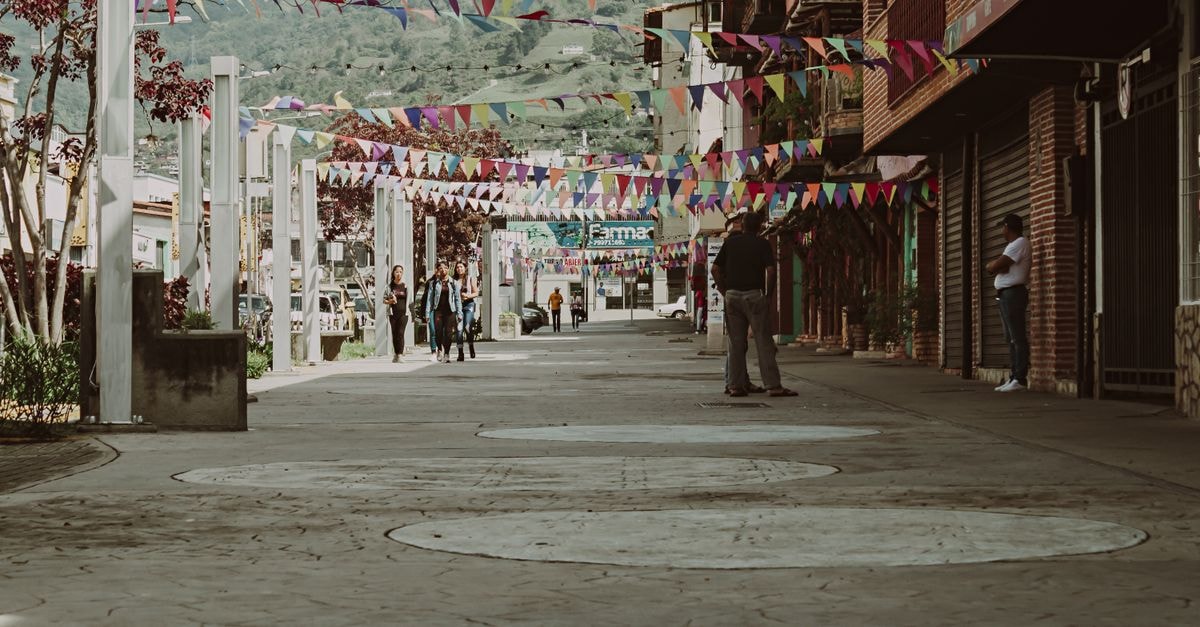
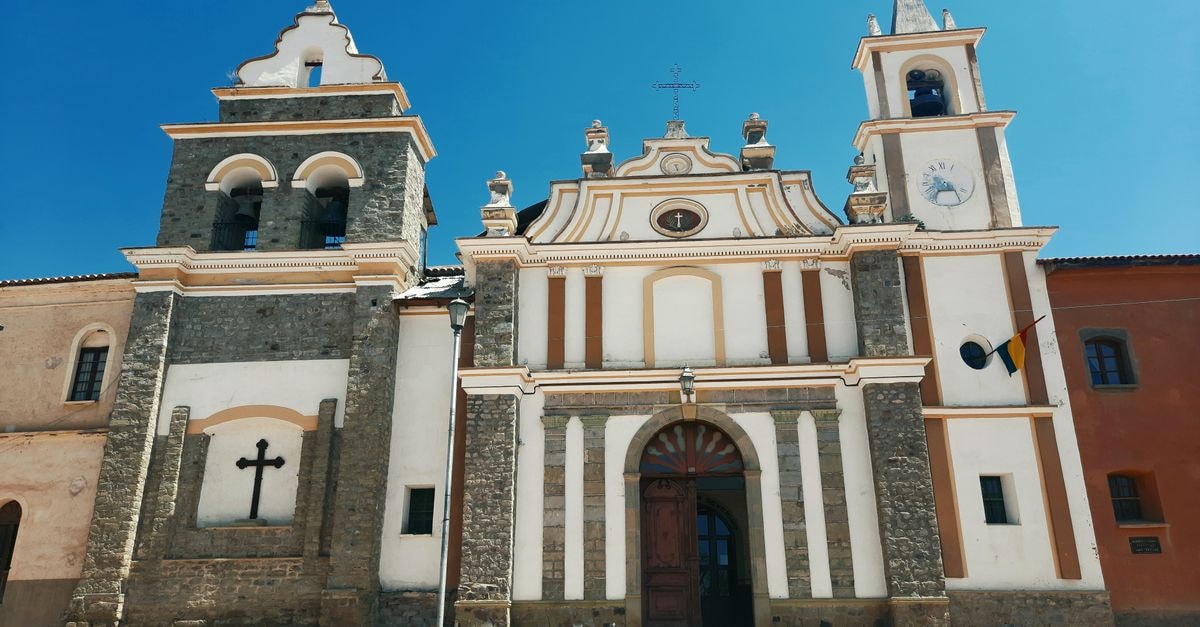
There is something quietly magnetic about Coro, the capital of Falcón State and the second oldest city in Venezuela. Founded on July 26, 1527, by Juan de Ampíes as Santa Ana de Coro, the town has had centuries to develop its own rhythm, and you sense it in the wide colonial streets, in the slow afternoon shadows, and in the everyday gestures of local life. Travelers looking for an unhurried base will find a city that rewards a wandering pace rather than a packed schedule.
What makes Coro feel distinct is the way heritage and daily living overlap. The same streets that hold centuries of history also serve as the backdrop for ordinary errands, neighborhood conversations, and the passing of the day. That blend of cultural heritage and lively local life is one of the defining impressions of a visit, and it gives the city an inviting, lived-in character.
Beyond the urban core, the surrounding landscape is just as memorable. Coro offers easy access to striking natural scenery, including the Médanos de Coro sand dunes, which sit within reach of the city. For travelers weighing what a Coro trip can hold, the combination of a historic town and a dramatic natural landmark nearby is a compelling reason to make the journey.
Weather and seasonal context
Because this is an evergreen guide, there are no month-specific forecasts attached to the city. Instead, the broader seasonal context of Coro is best understood through how the climate shapes a day on the ground rather than through a single set of numbers.
Coro sits in a part of Venezuela that is generally known for being warm and dry for much of the year. That dryness is part of the reason the Médanos de Coro sand dunes feel so close and so accessible from town. Travelers used to coastal humidity will notice a different texture in the air, and the dryness can feel more pronounced than expected, especially on a long walk through the historic streets or a midday visit to the dunes. Pacing the day with cooler hours in mind often makes sightseeing feel more comfortable.
Rain, when it comes, tends to fall in a way that interrupts a day without defining it. Lightweight planning around the hottest parts of the afternoon, and a willingness to take long breaks in shaded plazas or covered cafes, can help any visitor settle into the local rhythm. Because conditions shift, treating the climate as one variable to plan around rather than a fixed backdrop is the most useful frame.
Beyond climate, Coro carries a strong sense of identity that comes through in its material culture. Local craftsmen still mold clay tiles and stovepipes for traditional homes, a craft that quietly links the modern city to its colonial origins. Watching for these handcrafted details, whether on a rooftop, a chimney, or a doorway, adds a small thread of continuity between past and present that visitors tend to appreciate.
A final note that shapes any planning: travel conditions in the wider country can be affected by high national crime levels, and exercising caution, especially at night and in isolated areas, is widely recommended. Travelers generally treat the city as a place to move thoughtfully, keeping valuables discreet and choosing well-trafficked routes after dark. Awareness of surroundings is part of the rhythm of a Coro visit.
Food and local context
Food in Coro is best understood as part of a wider Venezuelan food culture that visitors will encounter while spending time in the city, rather than a list of restaurant recommendations. Countrywide traditions shape what appears on tables and in small kitchens across town, and a few of those threads are worth knowing before a trip.
Venezuelan cooking has a strong relationship with corn. There is a quiet insistence on maize as a foundation, and that shows up in everyday dishes across the country. The arepa, a cornmeal patty griddled until the exterior forms a thin, crackling shell while the interior stays steamy-soft, is one of the most recognizable expressions of that corn tradition. In Venezuelan food culture, arepas are typically treated as a staple at nearly every meal, which means visitors are likely to encounter them repeatedly during a stay.
Beyond corn itself, the wider Venezuelan table tends to lean on shared, generous meals. Family gatherings and the sharing of large communal meals are a defining part of the country's dining customs. For travelers, that often translates into generous portions and a warmth around the table that visitors are usually welcomed into. Eating in Coro is as much about the social shape of a meal as it is about any single dish.
The country sits at a meeting point of Caribbean and Andean influences, which gives Venezuelan food a layered character that travelers often notice over the course of a stay. Vegetables, starches, meats, and tropical flavors all appear, sometimes within the same meal. That variety, paired with the centrality of arepas, gives visitors a reliable framework for understanding what shows up on local tables in Coro.
Because this guide is evergreen, no specific restaurants, prices, opening hours, or menus in Coro are listed. The most useful approach is to arrive curious about Venezuelan staples and to take the first few meals as a chance to learn the local rhythm, ask questions, and let the shared style of dining shape the experience.
A practical closing note
A Coro trip tends to reward travelers who lean into its dual identity: a quiet colonial city rooted in centuries of history, and a gateway to natural scenery that feels both close and dramatic. Pairing slow exploration of the historic center with an excursion to the Médanos de Coro sand dunes gives the stay a satisfying shape, and the wider Venezuelan food culture adds a familiar thread that runs through nearly every day of the visit.
Factual travel conditions, including safety conditions, can change over time, and details such as local transport options, opening hours, and current advisories should be checked through official channels before departure.
---
**Verification note:** This guide uses only the approved factual ledger and does not include target-month weather, prices, restaurant names, opening hours, transport schedules, day trips, or any claim that requires live confirmation.
Share this article
TOOLS FOR THIS PLAN
Make the Coro plan measurable
Choose a tool only when it answers the next question in your trip. Your values stay in the browser, and each tool offers a route back to this planning context.