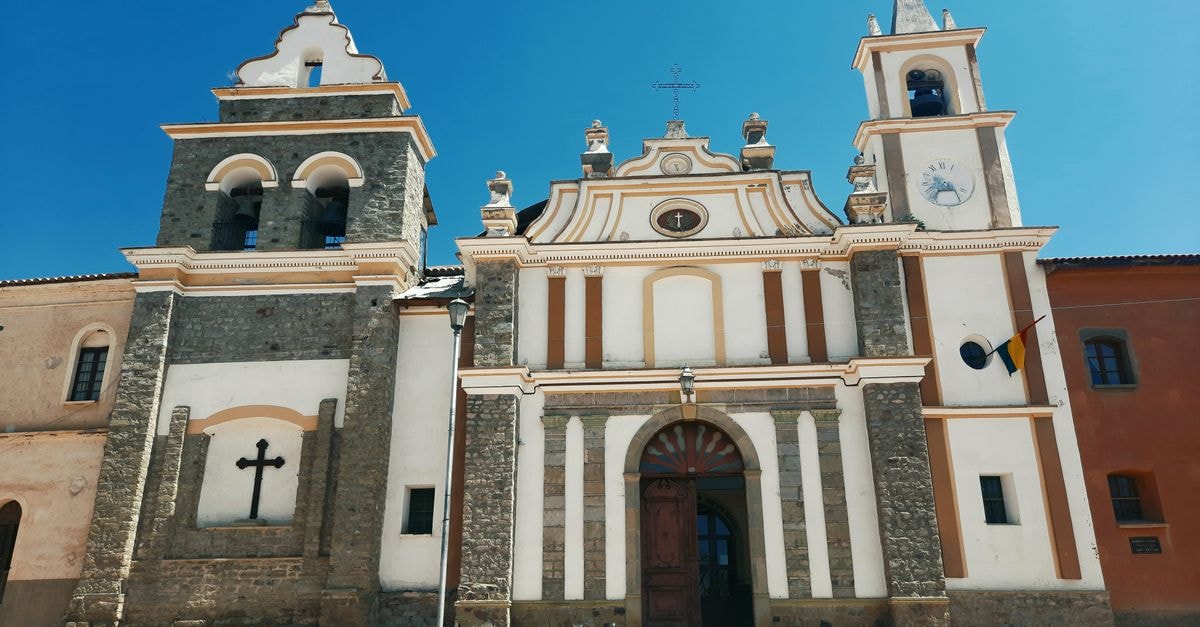
An opening view from the hillside

Petare is one of those Caracas-area names that arrives in a travel conversation with a bit of lore attached. Long described in national conversation as emblematic, the parish sits within the metropolitan orbit of Venezuela's capital and tends to surface as a place people talk about more than they walk through. That imbalance is shifting. A community-led cultural route has been designed specifically to invite visitors in, to slow them down, and to show the working, dreaming side of a neighborhood that locals know intimately but travelers rarely see.
If you're the kind of visitor who prefers a neighborhood on its own terms rather than a polished postcard, this guide is for you. It is built around what is actually documented for Petare right now: a single, vivid cultural walking project and the wider Venezuelan food context you may well encounter while you are there.
The cultural route at the heart of the visit
The centerpiece for any Petare visit is a tourism initiative created through the partnership of two local organizations, **Disfrutarte** and **Zona de Descarga**, that joined forces to develop the project. The route is conceived as a platform where the dreams of local residents become part of the visitor experience.
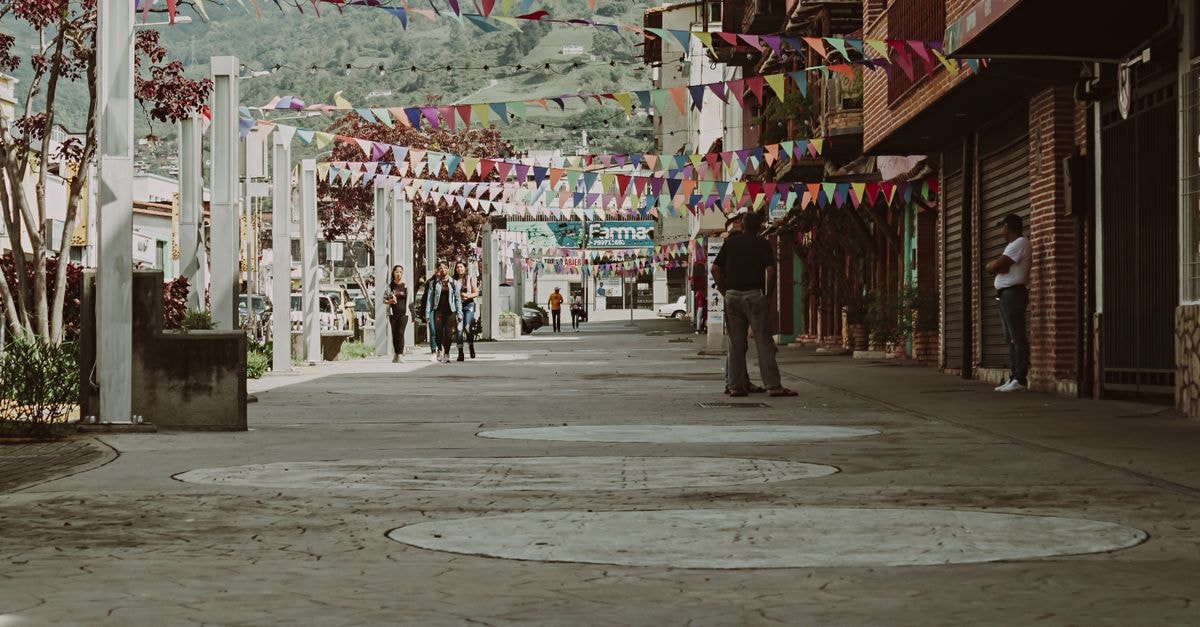
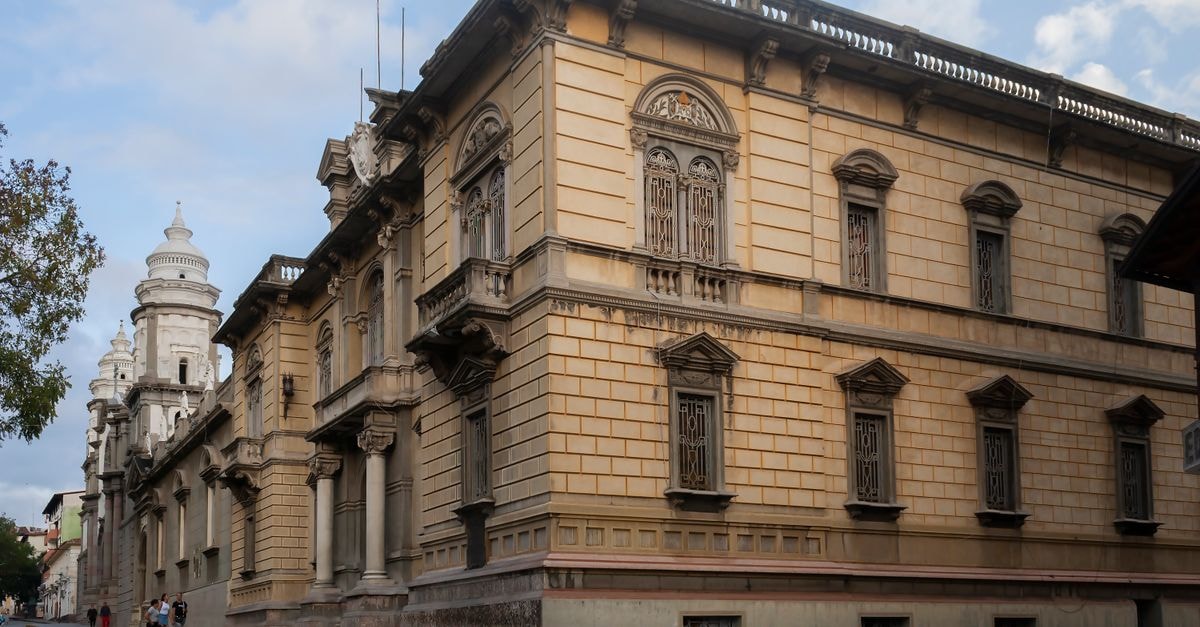
That framing matters for how you approach the walk. Rather than a fixed list of monuments, the route reads more like a curated showcase of Petare's everyday life: the streets, the architecture, the plazas, and the people who shape the parish. The route has been described as offering night-time diversions alongside architectural sights and public squares, with the experience culminating in the **barrio La Lucha**, a neighborhood within the Petare parish that anchors the final stretch of the visit.
A few practical considerations for travelers drawn to this kind of cultural walk:
- **If you prefer narrative-led urban exploration**, the cultural-route format may suit you well, since the project explicitly aims to immerse visitors in the zone rather than rush them past it. - **If evening atmosphere matters to your trip**, the route's inclusion of night-time diversions suggests an after-dark pace, so consider planning your day so the walk is the closer, not the opener.
The route is presented as a way to show visitors the vibrant, dreamer, and working face of Petare. That ambition is part of the appeal: it signals a visit designed around people and place rather than a checklist of objects.
How to move through Petare
Petare is a parish within greater Caracas, and getting there is straightforward in the sense that the metropolitan transport network of the capital reaches it. The route itself is on foot once you are inside the parish: plazas, architectural stops, and the final stretch through barrio La Lucha are walked, not driven.
For travelers building a day, think of the route as a single, self-contained activity rather than a transit option between two other stops. The organizations behind it frame it as an immersive experience, which implies time spent listening, looking, and following the local narrative from one stop to the next rather than darting between sights.
Because the route is organized by the two partner organizations, **Disfrutarte** and **Zona de Descarga**, rather than as a standard municipal tourist circuit, the operational details tend to be communicated through the project itself rather than through any conventional ticket office. Treat the route as a community-led experience: present, but best confirmed with the organizers before you set out, since schedules and exact start points for community-led cultural walks can change.
Food and the wider Venezuelan table
Petare does not have a documented, city-specific culinary specialty in the approved evidence, but a visit to Caracas-area neighborhoods inevitably puts you inside wider Venezuelan food culture, and a little context helps you read the menus and the street stalls you encounter.
Venezuelan cuisine is often described as a meeting point between the Caribbean and the Andes, and that geographical layering shows up at the table. The single most recognizable foundation of the country's everyday eating is the **arepa**: a cornmeal patty griddled until the exterior forms a thin, crackling shell while the interior stays steamy-soft. Arepas are eaten at almost any hour, and they tend to be the most reliable point of entry if you're new to the cuisine.
Beyond that foundation, Venezuelan food is typically framed as a culture of contrast: traditional dishes and dining customs sit alongside a contemporary culinary scene, and the country as a whole is described as tasting like contradiction in the sense that regional traditions, street food, and more recent restaurant culture all share the same table. For a visitor in Petare, the practical translation is simple: expect arepas to be unavoidable, expect regional variety behind them, and treat any specific dish you don't recognize as an invitation to ask.
Choosing what fits your trip
Petare is, on the evidence available, a single-experience destination rather than a sprawling checklist. The trade-offs that matter are honest ones.
If you are a traveler who likes **walking routes with a story**, the cultural project's stated goal of immersing visitors in the zone is the strongest draw. If you are a traveler who prefers **markets, museums, or a dense sightseeing circuit**, this guide will feel lean, because the documented city-level activity is essentially one organized route rather than a constellation of attractions.
If your interest is **Venezuelan food as a category**, the visit still serves you: you are inside the country, arepas are everywhere, and the wider culinary culture travels with you. If you are looking for a **Petare-specific signature dish or restaurant** tied to a precise address or price, that level of detail is not supported by the approved evidence and is not included here.
A short verification note before you go
The cultural route is community-led and depends on the two partner organizations, so start times, exact meeting points, and whether a given edition is running on your travel day are worth confirming directly with **Disfrutarte** or **Zona de Descarga** before you head out. Within Caracas and across Venezuela, transport availability, prices, and opening conditions shift, so check the most recent official information before relying on any logistical detail. Treat this guide as a framework for understanding Petare, and confirm the live details on the ground.
Factual travel conditions can change, and official channels should always be checked before departure.
Share this article
TOOLS FOR THIS PLAN
Make the Petare plan measurable
Choose a tool only when it answers the next question in your trip. Your values stay in the browser, and each tool offers a route back to this planning context.