A grounded introduction to Tucupita

Tucupita is the capital of Venezuela’s Delta Amacuro state, a city with a distinctive position within the country and a strong connection to the surrounding delta region. This guide focuses on the practical details the available information supports: city landmarks, craft shopping, the character of Tucupita’s urban setting, and the broader Venezuelan food context that visitors may encounter.
Tucupita is not presented here as a checklist of spectacular sights or a promise of a particular kind of experience. Instead, it is a useful introduction for travelers who want to understand the city’s identity, find a few grounded points of interest, and approach local culture with curiosity. The city’s landscape and river-associated setting can make the craft and everyday-life context especially meaningful, while its central landmarks provide a straightforward starting point for exploring.
The Cathedral of the Divine Shepherdess
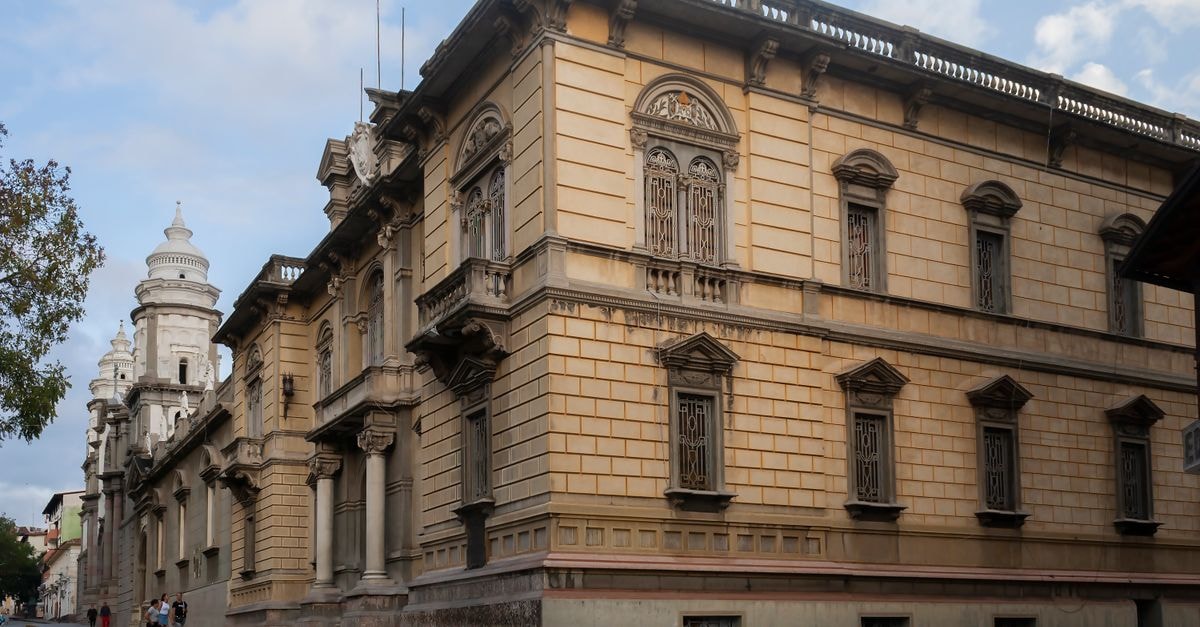
One named city landmark is the Cathedral of the Divine Shepherdess. It is a useful first reference point for visitors who are beginning to orient themselves around Tucupita and who want to encounter an important piece of the city’s religious and architectural life.
The cathedral is also described as a place where visiting can provide insight into daily spiritual life and local architecture. That makes it more than a quick photo stop: it offers a way to connect a visit with the lived character of Tucupita, while keeping the focus on the building and the atmosphere visitors may find there.
Because no current opening hours, service schedule, ticket requirement, or access restrictions are included in the available information, those details should be checked locally before making a special trip. The durable point is the cathedral’s place among the city’s things to do and its value as a point of cultural and architectural interest.
Parque Central Tucupita and the city’s urban rhythm
Parque Central Tucupita is located 5 km from downtown. That gives travelers a useful geographic reference without suggesting a route, transport time, or guaranteed way to reach it. The park can be treated as a separate urban outing and planned according to the practical information available locally.
Its distance from the center also makes it a reminder that Tucupita should not be imagined only through its central landmarks. A visit can include both a city-center cultural stop and Parque Central as an additional place to understand the town’s broader public space. There is no evidence here to specify facilities, activities, entry requirements, or conditions at the park, so travelers should avoid assuming a particular attraction or amenity before visiting.
For an independent visitor, the most useful approach is to keep the first day simple: identify the cathedral as a city landmark and use Parque Central as a second, clearly separated point of interest. This is not a timed itinerary or a claim that both places must be visited in one day; it is simply a grounded way to organize a short list.
Warao craft stalls and the riverfront
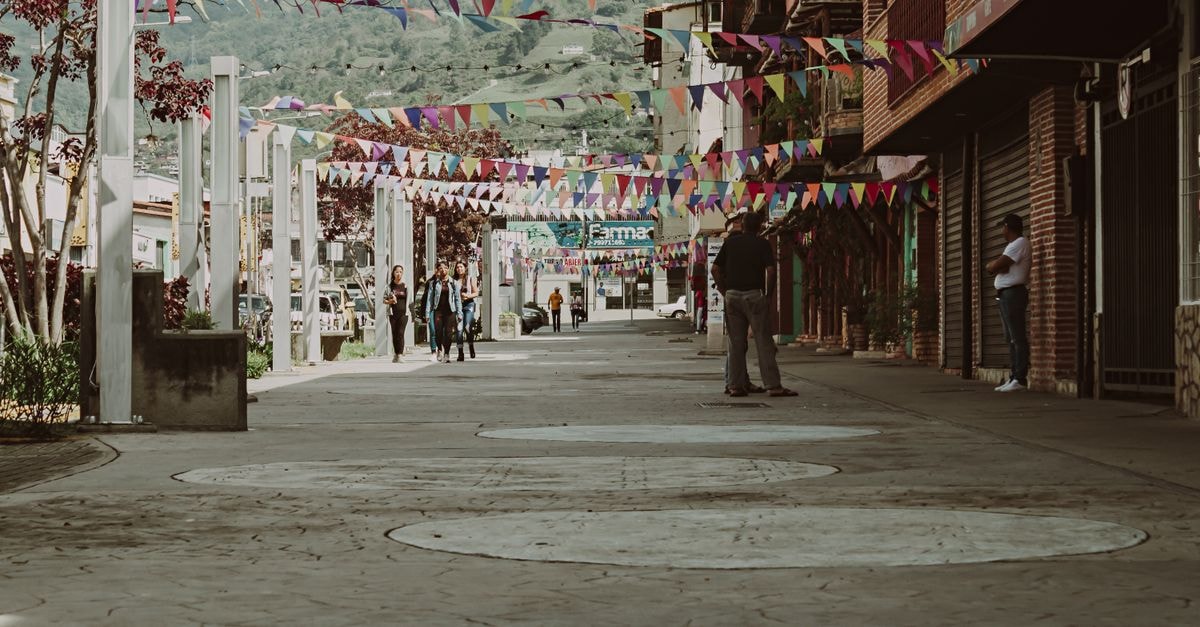
Craft shopping is one of the most distinctive ways to engage with Tucupita’s local context. Artisan stalls and Warao craft shops are scattered near the market and riverfront. These small shops and street stalls sell woven baskets, carved items, and other indigenous handiwork.
That description makes the market and riverfront area especially relevant for travelers who want to meet artisans and buy authentic souvenirs. The wording is important: these are small shops and street stalls, not a single department store, museum, or large craft complex. Visitors can approach them as a network of places to browse and speak with the people whose work is on display.
Warao handiwork gives the city guide a meaningful cultural focus. Rather than treating crafts as anonymous objects, the evidence presents them as a direct way to meet artisans and purchase items made through local skills. Visitors should keep the interaction respectful, ask before taking photographs when appropriate, and avoid assuming that every stall has the same products or that a particular item will be available.
The market and riverfront context is also useful because it places craft stalls within the city rather than presenting them as an isolated attraction. Browsing these stalls can help a visitor notice the relationship between the city, its riverfront environment, and indigenous craft traditions.
Weather and seasonal context
The available city information does not provide a supported temperature, rainfall pattern, humidity figure, or month-by-month climate profile. For that reason, this guide does not assign Tucupita a specific season or make promises about what the weather will feel like during a particular trip.
The practical approach is to treat weather as something to verify closer to departure. Conditions can change, and no evidence supplied here supports a statement about heat, rain, sunshine, or outdoor comfort at a particular time. Travelers should check current local conditions and official or locally trusted information before visiting an outdoor place such as Parque Central or spending time near the market and riverfront.
What can be said with confidence is that Tucupita is a city in Delta Amacuro, and the city’s delta and riverfront associations form part of its visitor context. That does not justify a specific packing recommendation or a claim about a guaranteed climate. Keep plans flexible, confirm the latest conditions, and make decisions about outdoor time based on up-to-date information rather than seasonal assumptions.
Food and wider Venezuelan context
The food information available for this guide is national Venezuelan context, not evidence of a Tucupita-specific restaurant, market, menu, or specialty. Within that wider context, the arepa is presented as a foundational food: a cornmeal patty griddled until its exterior forms a thin, crackling shell while the interior stays steamy-soft.
Venezuelan food culture is also described as emphasizing family gatherings, sharing large communal meals, and eating arepa as a staple at nearly every meal. These are national-level observations that visitors may encounter while in Tucupita, but they should not be rewritten as guarantees about a particular local establishment or a city-specific dining tradition.
The wider culinary culture also has a strong relationship with maize, or corn. That context can help visitors understand why the arepa has such a prominent place in the country’s food culture. At the same time, the available evidence does not identify specific Tucupita eateries, prices, opening hours, or recommended dishes. Travelers should use current local information when choosing where to eat, and they should not treat a nationwide description as proof that every venue serves the same items.
Approaching food in Tucupita with this distinction in mind keeps the experience respectful and practical. The city can be understood through its own identified cultural sites and craft traditions, while arepas and communal eating are useful as broader Venezuelan context that may be encountered during a visit.
Simple planning and final checks
A useful first plan is to focus on the Cathedral of the Divine Shepherdess, add Parque Central Tucupita as a separate 5 km-from-downtown reference point, and leave room to browse artisan stalls and Warao craft shops near the market and riverfront. These details provide a compact and evidence-based introduction to the city without inventing a timetable or promising a fixed sequence.
Hotel Madrid is identified as a budget-friendly hotel in the heart of Tucupita, with basic amenities and easy access to the region’s top attractions. The wording suggests a simple central base, but the available evidence does not provide prices, room types, availability, booking conditions, or current operating details. Travelers should verify those matters directly before relying on the property.
The evidence also describes Tucupita as a real city with a strong sense of heat in the available source material, but no current temperature or seasonal climate figure is supplied. Rather than translating that impression into a fixed weather claim, visitors should check current conditions and use them to adjust outdoor plans.
Finally, factual travel conditions can change, so official channels and current local information should be checked before departure. This applies especially to access, opening arrangements, transport conditions, accommodation availability, and outdoor plans.
Share this article
TOOLS FOR THIS PLAN
Make the Tucupita plan measurable
Choose a tool only when it answers the next question in your trip. Your values stay in the browser, and each tool offers a route back to this planning context.