A first impression of Maracay

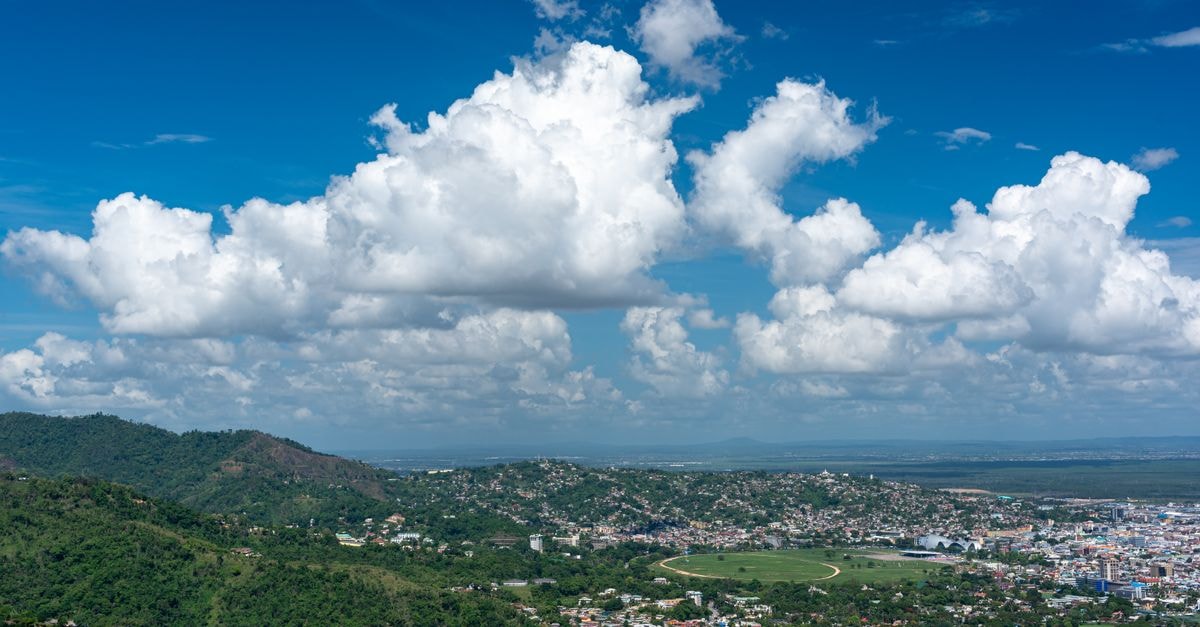
Maracay sits in the state of Aragua and carries the relaxed cadence of a Venezuelan city shaped by its surrounding farmland. Even before you start ticking off sights, the sense of place comes from how the urban landscape meets the agricultural landscape. The areas around Maracay are known for sugarcane, tobacco, coffee, and cocoa production, and that agricultural identity quietly informs the rhythm of daily life, from the produce you spot in markets to the broader food culture that visitors may encounter across Venezuela. Knowing this context helps frame any visit: you are arriving in a working regional hub rather than a polished resort town, and your experience will tend to lean local, lived-in, and informal.
This guide focuses on what is verifiable and useful: how the weather shapes your pace, how to move around without stress, what to expect when you go looking for landmarks, and how the city's food context fits into the wider picture. It is written as durable city guidance that should remain useful across visits, without leaning on a specific month or year.
Weather and seasonal context
The clearest thing you can plan around in Maracay is the contrast between the dry months and the wetter stretch of the year. General climate context for the city points to a noticeable tourist season that lines up with the dry season, when conditions tend to feel more comfortable for walking between landmarks and spending time outdoors. Outside that dry window, the same climate pattern typically brings more humid, rain-prone conditions, which can slow sightseeing down and make you want to pace the day differently.
For visitors, the practical takeaway is less about a perfect date and more about mindset. During the dry stretch, you can build longer outdoor days around visits to landmarks and casual strolling. During the wetter months, it helps to plan shorter outdoor blocks, keep an indoor backup in mind, and expect that afternoon showers can briefly change the rhythm of the day. Pack for both possibilities regardless of season: light layers for warm daytime temperatures, a compact umbrella or rain layer for sudden showers, and comfortable walking shoes for uneven pavement around older parts of the city. Because conditions can shift, treat any specific forecast as a starting point rather than a guarantee, and check the latest local weather report close to your travel dates.
Getting around
Maracay does not run formal tours or specialized tourist transit like hop-on-hop-off sightseeing buses, so independent travelers should plan to move around the city on their own. The main bus terminal, the Terminal de Pasajeros de Maracay, functions as a central hub, but it can be chaotic, especially during busy travel periods. Arriving with patience, allowing extra time, and keeping belongings close are sensible habits in and around the terminal.
Within the city itself, local bus transport can be unpredictable, and the most reliable way to travel around Maracay is generally by taxi or hired car. That choice tends to suit visitors who want to move between landmarks without navigating the bus network, and it keeps the day flexible when plans shift. If you are comfortable with informal taxi arrangements, agree on the fare or confirm the meter before setting off, and treat driver recommendations as conversation rather than confirmed advice. For travelers who prefer more structure, arranging a car with a driver through your accommodation can remove a layer of decision-making and make it easier to focus on the visit itself rather than the logistics.
Because public and private transport options can change, it is worth confirming current conditions locally before you rely on any single mode, and building in buffer time when you have appointments, connections, or a landmark you particularly want to see.
Attractions and planning
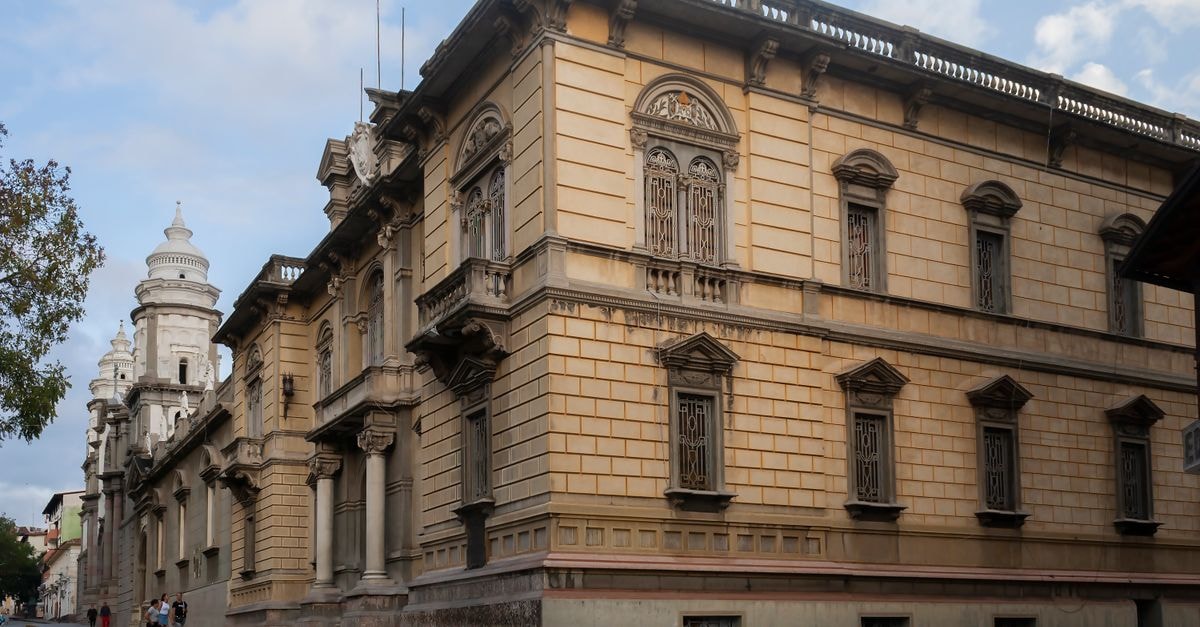
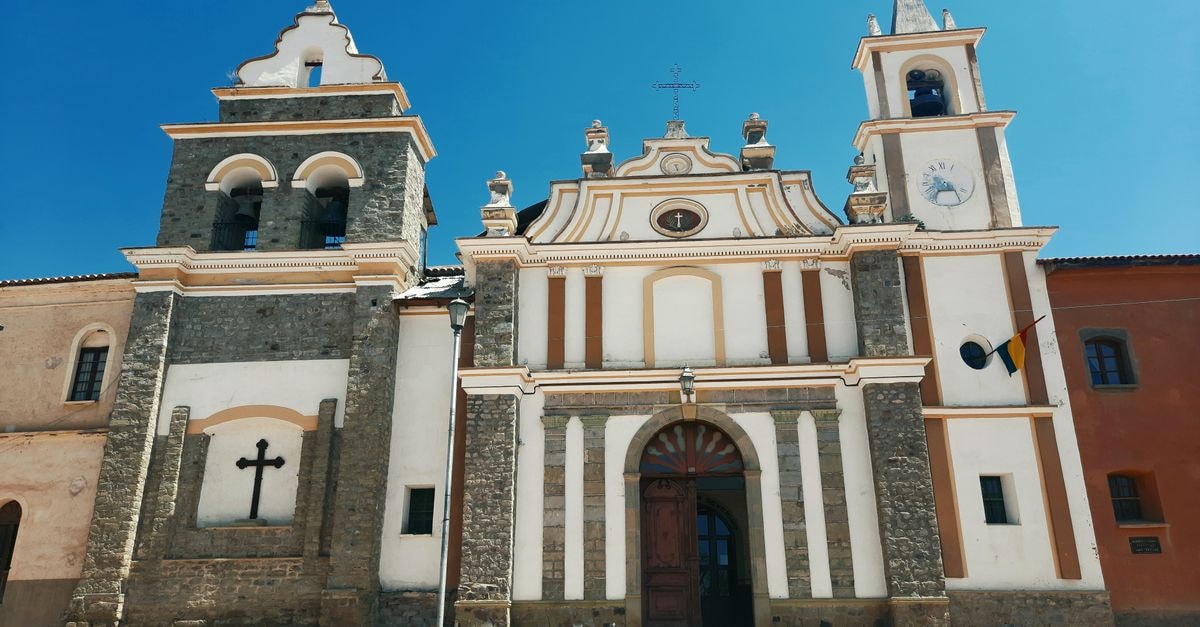
Maracay has landmarks and sights that connect visitors to the city's cultural and natural heritage, and exploring them is part of how the city reveals itself. These are the spots where the working rhythm of Maracay softens into something more reflective, and they reward visitors who arrive curious rather than rushed. Because no formal tours or hop-on-hop-off services run in the city, sightseeing here tends to be self-directed: a short list of places you actually want to see, paired with realistic travel time between them.
A practical approach is to cluster nearby landmarks into loose halves of the day rather than racing across the city, and to leave room for the unexpected detour that often turns out to be a highlight. If you enjoy landmarks that lean into local identity and natural surroundings, that is exactly the texture Maracay offers, so leaning into it tends to pay off. Sharing your impressions afterwards, whether through reviews, photos, or conversation, is a small but meaningful way to help future travelers plan their own visit and to support the preservation of the places you enjoyed.
Before heading out, double-check the latest local information on opening hours and access for any specific site you plan to visit, since conditions and rules can change without much notice.
Food and local context
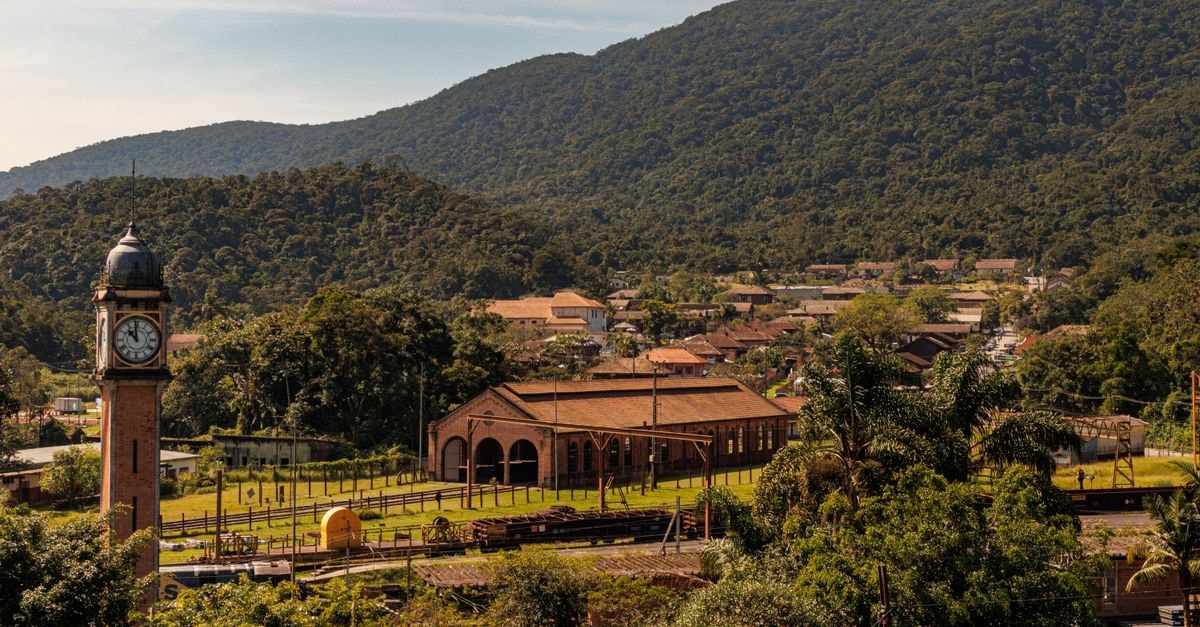
Maracay is best understood through its surrounding agricultural landscape. The areas around the city are agricultural, with sugarcane, tobacco, coffee, and cocoa standing out as the main products, and that production shapes what reaches tables across the region. For visitors, this means the food context around Maracay is grounded in Venezuelan staples that visitors may encounter across the country, often prepared with regional ingredients that reflect this agricultural base.
Rather than chasing a single signature dish, treat eating in Maracay as a way to read the city. Local menus tend to reflect the wider Venezuelan food culture that visitors may encounter while in the area, with familiar national dishes appearing alongside regional ingredients. Asking locally what is in season, what is grown nearby, and what a particular household or restaurant is proud of tends to lead to the most rewarding meals, and it gives you a window into how agriculture and daily routine overlap here.
A few grounded habits help. Eat where locals eat, especially at busy times, since turnover usually signals freshness and reliability. Be open to informal settings, from family-run spots to street-side vendors, while keeping the same common-sense food and hygiene precautions you would use in any unfamiliar city. Stay flexible with timing, since Venezuelan meal patterns can differ from what some visitors expect, and embrace the slower pace rather than fighting it.
A note on planning responsibly
Factual travel conditions can change, and this guide is built to be a starting point rather than a final answer. Official channels, local tourism offices, current weather services, and recent visitor feedback from trusted sources are worth checking before departure and again during your trip. Treat every recommendation here as a prompt to verify, and let local knowledge refine your plan once you arrive. With that mindset, Maracay tends to reward visitors who come curious, move patiently, and leave room for the city's own rhythm to shape the experience.
Share this article
TOOLS FOR THIS PLAN
Make the Maracay plan measurable
Choose a tool only when it answers the next question in your trip. Your values stay in the browser, and each tool offers a route back to this planning context.