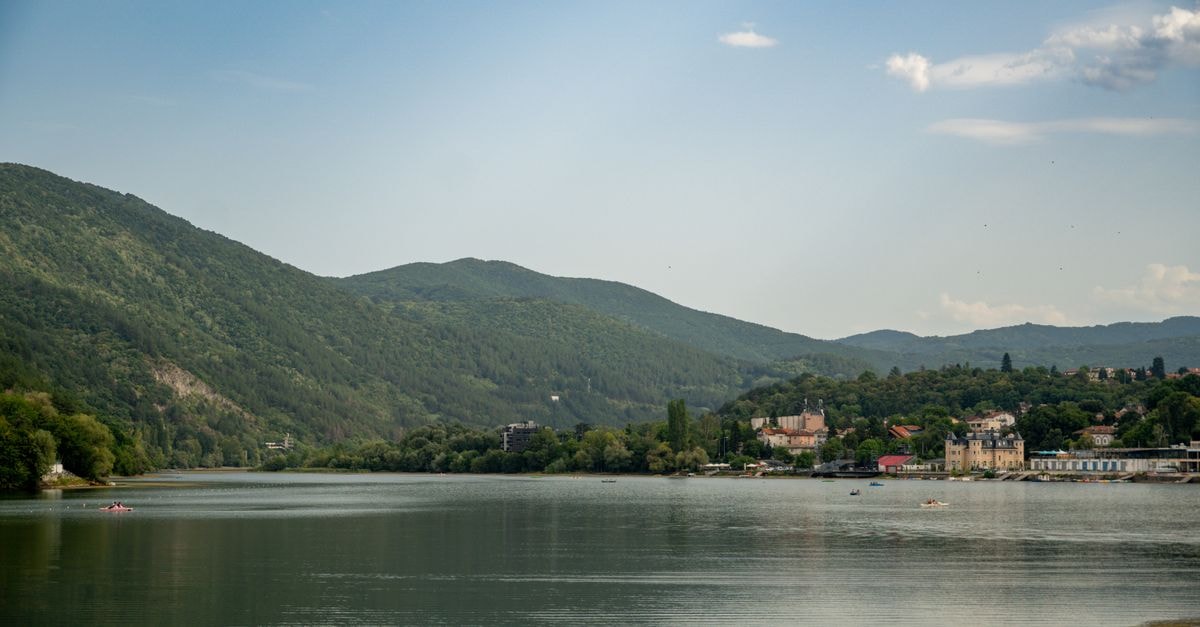
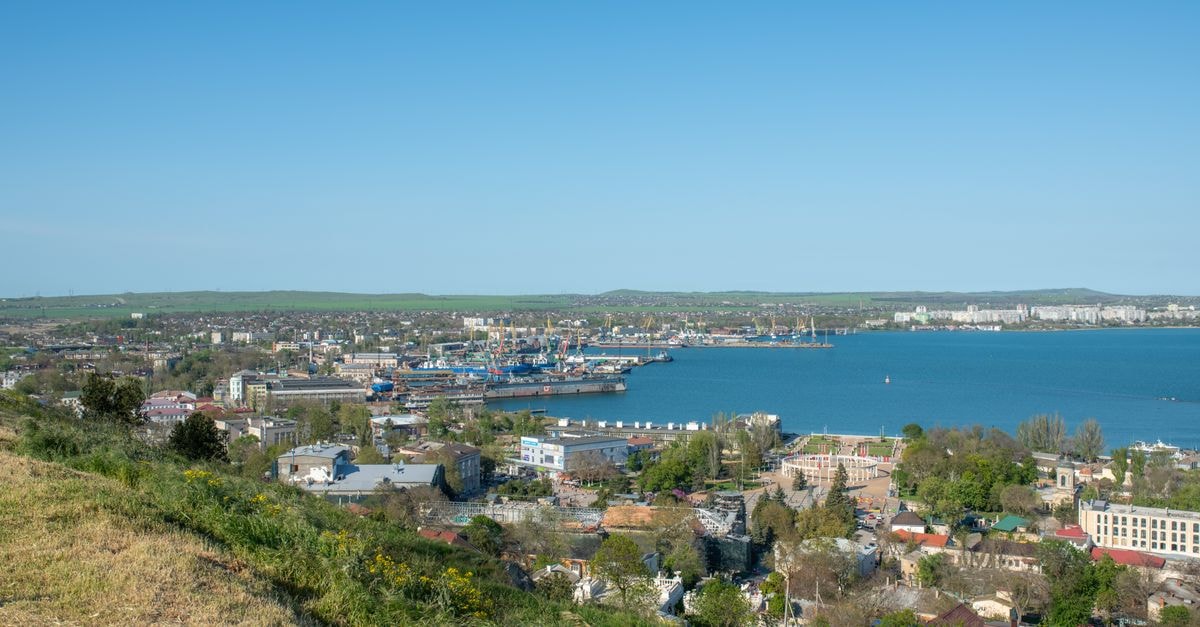
A layered little city on the Bulgarian plains

Razgrad sits in northeastern Bulgaria with the kind of low-key atmosphere that rewards travelers who arrive curious rather than over-scheduled. Its streets mix everyday Bulgarian routines with a deep historical stratum, and a short visit is enough to feel why the city has long been a quiet crossroads rather than a tick-box stop. For visitors who enjoy places where the past feels nearby but the pace stays gentle, Razgrad can suit a slower, more reflective way of exploring.
Attractions and planning
The Razgrad Historical Museum is widely regarded as the anchor for anyone trying to understand the place before walking its streets. Sources describe spring and the early part of autumn as a comfortable window for visiting, when conditions are typically mild and well suited to unhurried walks around the museum and its surroundings (F1-2). Travelers who prefer mild weather and lower heat may want to build their museum visit around that kind of window, and then let the rest of the city follow at a relaxed pace.
Religious monuments are another natural thread through the city. Churches and other religious sites are dotted through Razgrad's streets, and they often serve as the most accessible way to encounter both local heritage and everyday life at the same time (F2-1). Because these are working sites as much as historical ones, modest dress and a quiet step inside tend to be appropriate. Visitors who love pairing architecture with neighborhood texture — rather than only blockbuster monuments — may find this category especially rewarding here.
A useful rhythm when planning: anchor a morning at the Historical Museum, then let the church stops unfold through the older streets as the day warms. The city's Roman-era backdrop, covered separately below, adds another dimension to anything you see above ground.
The Roman foundation beneath the streets
Razgrad is built on the ruins of the Roman town of **Abritus**, and that single detail reshapes the way the rest of the city reads. One of the largest battles of the Gothic Wars took place here in 251 AD, resulting in the death of Emperor Decius (F3-1). For travelers who gravitate to places where layers of history sit close to the surface, this Roman substratum is essentially the city's reason for being, and it gives the Historical Museum and the surrounding excavations a particular weight. Visiting with at least a passing sense of that 251 AD story tends to make the museum experience feel less like a generic collection and more like a continuation of a much older place.
Food and local context
The food scene in Razgrad is generally described as good and centered on traditional Bulgarian dishes (F4-1). That national frame — heavy on tavern-style cooking, grilled meats, fresh salads, yoghurty soups and the familiar banitsa-Shopska-pyramid of staples — is what visitors are most likely to encounter in the city as well, though the specific kitchen and the specific menu belong to whatever place you walk into rather than to Razgrad itself.
For a meaningful meal experience in a place like this, the practical approach tends to work better than a checklist: pick a spot that looks lived-in rather than staged, ask what is local and seasonal rather than aiming for a specific signature plate, and treat the meal as part of the city's atmosphere instead of a separate agenda item. Traditional Bulgarian cooking across the country tends to be honest, generous, and built around bread, cheese and meat, so almost any well-run kitchen you settle into should give you a representative taste. Travelers who enjoy exploring a destination through its everyday restaurants will likely find more to engage with here than visitors hunting a single famous address.
Choosing what fits your trip
A few practical tradeoffs can help shape the day. If you are the kind of visitor who builds a trip around a single, layered story rather than a long list of stops, pairing the Historical Museum with the Roman-era context of Abritus gives Razgrad a clear narrative spine and leaves room for the churches to feel like discoveries rather than scheduled items. If you prefer to balance one deeper cultural stop with a lot of neighborhood texture and food, consider giving the museum a morning and then letting the churches, streets and a long traditional lunch carry the rest of the day. Travelers who dislike very crowded, very touristic centers may find Razgrad's quieter rhythm appealing; visitors who need a fixed, high-tempo itinerary with many marquee sights in one day may prefer to combine Razgrad with a bigger city rather than treating it as a standalone.
A note before you go
Factual travel conditions — including museum hours, admission details and accessibility — can change, so check the Razgrad Historical Museum's official channels before your visit, and confirm opening times and any dress expectations for the churches you plan to enter. Live exchange rates and current prices should also be verified before you budget, and a quick check of local transport and road conditions on the day of travel is always worth the few minutes it takes.
Share this article
TOOLS FOR THIS PLAN
Make the Razgrad plan measurable
Choose a tool only when it answers the next question in your trip. Your values stay in the browser, and each tool offers a route back to this planning context.