A first glimpse of Dongguan

Dongguan sits in the heart of the Pearl River Delta, very close to Hong Kong, and that single geographic fact shapes much of how visitors tend to experience the city. The Pearl River Delta is one of the most densely connected regions on Earth, a web of cities, rivers, bridges and high-speed rail lines linking Guangdong Province to Hong Kong and Macau. Dongguan's position inside that web gives it the rhythm of a working delta city rather than a museum piece: industry, family life, and an intimate relationship with the wider Chinese diaspora all sit side by side.
For travelers planning a trip, that means Dongguan often works best as a stop woven into a longer South China journey, or as a destination for visitors who already have a personal, family or business reason to be in the region. The city is widely known as a famous hometown for overseas ethnic Chinese, and that diaspora identity quietly informs the pace of life here. Visitors who arrive with curiosity about that background tend to find richer conversations than those who only expect a checklist of landmarks.
Weather and seasonal context
The approved guidance for Dongguan's climate is intentionally light, because evergreen city writing should not pretend to know what the weather will feel like on any given day. What is genuinely useful for visitors is the bigger picture: Dongguan lies in the Pearl River Delta, and the Pearl River Delta has a humid subtropical climate. That single phrase carries a lot of travel feeling.
In practical terms, that climate typically means long, warm to hot stretches through much of the year, mild winters, and a meaningful rainy season. Visitors used to drier cities often notice the humidity before they notice the temperature. Lightweight, breathable clothing, a layer for air-conditioned interiors, and a compact umbrella or light rain jacket are the kind of items that tend to earn their space in a bag here, regardless of calendar month. Because the source guidance does not give month-specific temperatures or forecasts, it is wiser to treat any specific weather claim as something to confirm closer to the trip rather than a fixed expectation.
The honest travel feeling is that Dongguan is a city where pacing matters more than packing tricks. Slowing down between activities, choosing shaded walking routes, and building in rest breaks tends to suit the climate far better than rushing from one indoor venue to the next. For travelers sensitive to humidity, planning a slightly lighter daily schedule can make the experience feel more relaxed without missing the heart of the city.
Food and local context
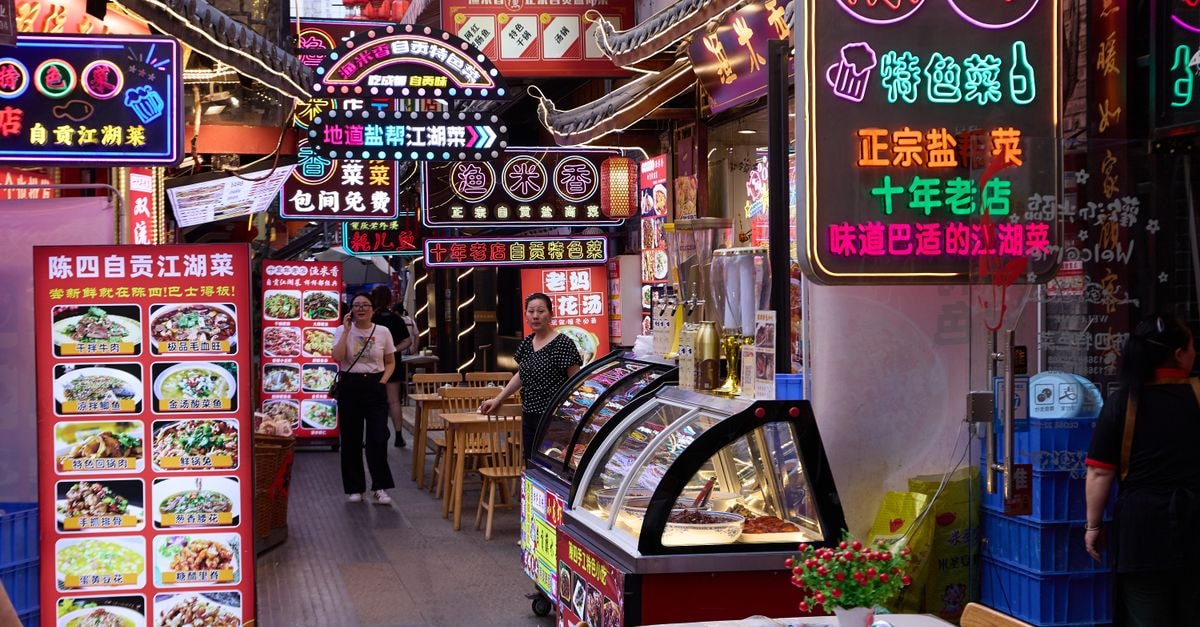
Dongguan sits inside Guangdong, a province whose cuisine is part of the broader story of Chinese food culture, so any conversation about eating here has to start with that wider frame. Across China, food is understood as a rich tradition of diversity and balance, and the country is commonly described as home to eight major cuisines, each with its own unique characteristics. That national context is genuinely useful background for visitors in Dongguan, because it explains why menus in Guangdong often feel distinct from what travelers may have tried elsewhere in China.
Within that national picture, China's regional cuisines are regularly described as a testament to culinary diversity, and that diversity is exactly what shows up on restaurant tables in Guangdong Province. Lightness of seasoning, an emphasis on the natural flavor of fresh ingredients, the prominence of soup, and the willingness to serve a wide range of seafood, poultry and rice dishes are all part of how this regional tradition tends to express itself. Visitors who arrive with a flexible palate and an interest in tasting regional differences tend to get more out of the experience than those hunting for a single famous dish.
For Dongguan itself, the most responsible approach is to treat the food scene as part of that wider Guangdong and Chinese context, rather than promising visitors a single must-order local specialty that the approved evidence does not name. Travelers will find plenty of neighborhood restaurants, casual noodle shops, tea houses and modern dining rooms across the city, and the most rewarding approach is usually to eat where locals are eating, ask what is fresh that day, and let the regional style of Chinese cooking do the rest.
Two small habits tend to help. Ordering a shared selection of dishes family-style, rather than one entrée per person, suits how many Guangdong restaurants are set up. And keeping room for soup or congee, which are quietly central to local meals, often turns an ordinary lunch into a more memorable one. None of this requires insider knowledge; it simply asks visitors to slow down and notice how the regional table is already organized.
A note on what this guide does and does not cover
Because this is an evergreen guide, written without specific month or year framing, it intentionally avoids promising exact temperatures, fixed festival dates, current ticket prices, opening hours, or reservation details. Dongguan, like any active Chinese city, continues to evolve, and the kind of facts that change most quickly are exactly the ones a careful evergreen guide should not pretend to lock in.
What the guide does offer is a grounded introduction to the city's location in the Pearl River Delta, its identity as a famous hometown for overseas ethnic Chinese, and the wider Chinese food culture that visitors will almost certainly encounter while eating their way through Guangdong. Treat those as anchor points, and let recent official channels, hotel concierges and local guides fill in the live details closer to the trip.
A final practical reminder: travel conditions in Dongguan, from weather and transit to dining hours and ticketing, can change at short notice, and it is always worth double-checking with official sources or your accommodation before making firm plans. Currency, if you handle any on arrival, should also be confirmed against the live rate rather than any single reference number. With that small dose of caution, Dongguan tends to reward visitors who arrive curious, patient and open to the wider regional story of which it is a part.
Share this article
TOOLS FOR THIS PLAN
Make the Dongguan plan measurable
Choose a tool only when it answers the next question in your trip. Your values stay in the browser, and each tool offers a route back to this planning context.