A Quiet Zhejiang City with Mountain, River, and Cultural Layers

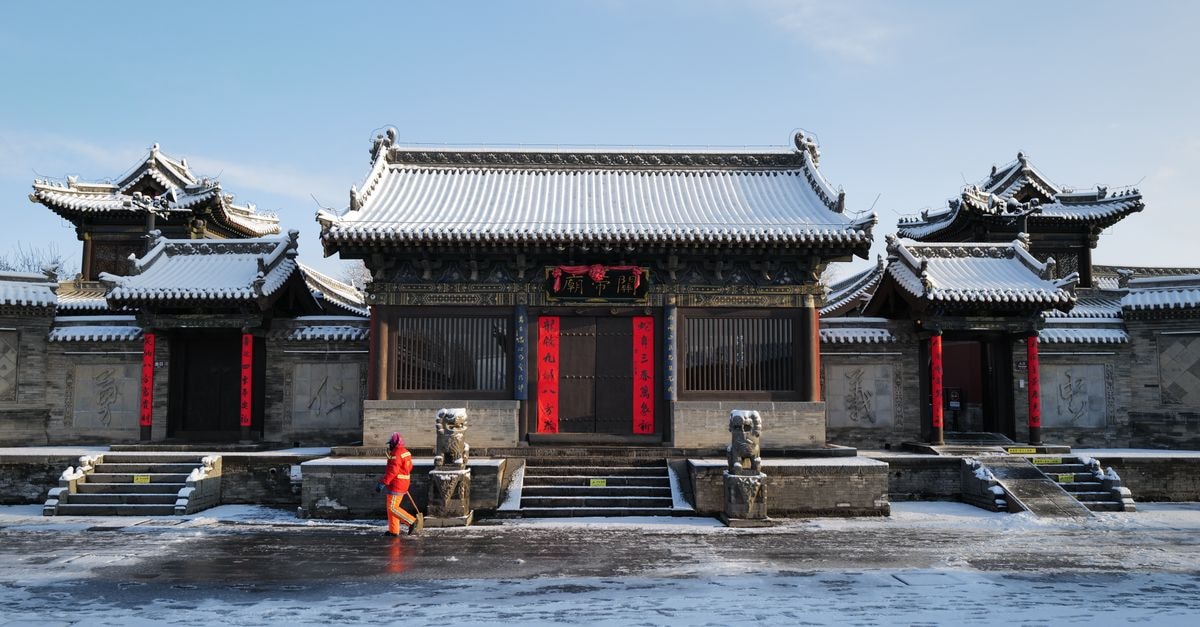
Taizhou sits in eastern Zhejiang and reads, at first glance, like a softer, more understated sibling of the province's headline cities. What makes it memorable is the way the landscape shifts from craggy peaks to gentle waterways within the same region, paired with a deep cultural lineage. There is a sense here that the scenery and the heritage belong to each other, and that travelers who slow down will find more texture than a quick stopover usually reveals.
For a visitor, that blend is the whole point. You can build a Taizhou itinerary around long walks, river views, scenic mountain time, and unhurried meals, without feeling like you are missing the city's pulse. The reward is a place that feels genuinely lived-in rather than performed.
Weather and Seasonal Context
The most useful way to think about Taizhou's climate is through its landscape rather than a single thermometer reading. The city is described as a place where rugged mountains and the sea meet, and where that natural scenery carries a poetic, contemplative quality. That description tends to match the experience of walking through the area in mild weather, when mist clings to the hills and the rivers feel especially reflective.
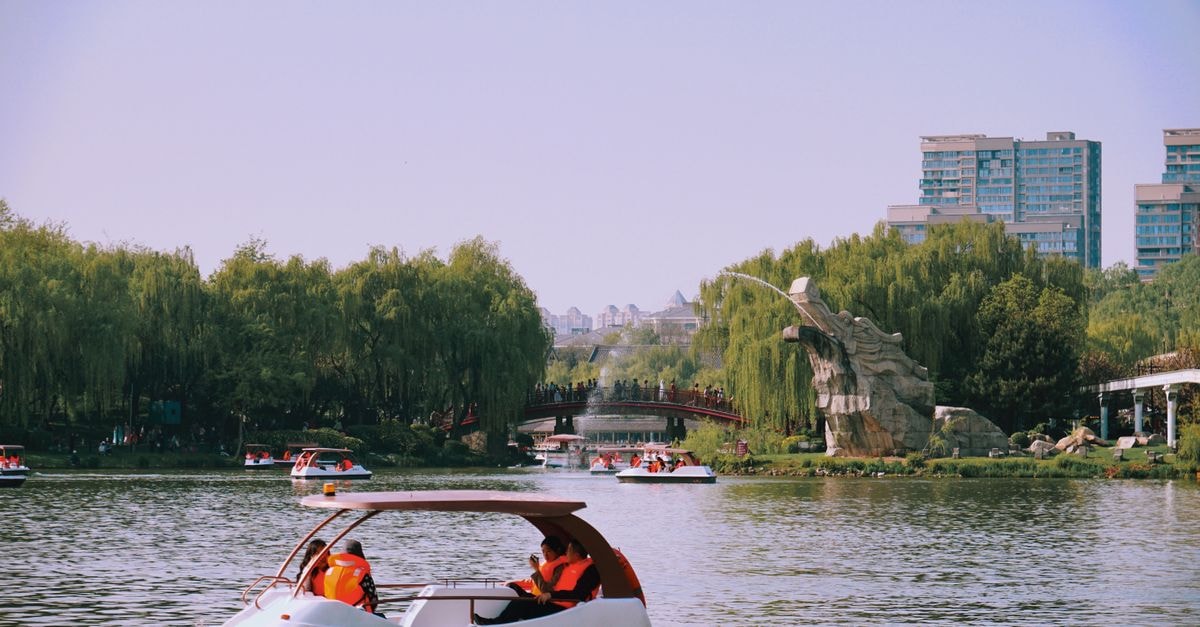
Taizhou is also frequently called a typical water city in the south of the Yangtze River, with a dense network of canals and rivers that locals compare to the better-known waterways of Suzhou and Hangzhou. That river-heavy geography shapes how the city feels from hour to hour. In warmer stretches of the year, shaded bridges and breezy riverfront paths become a natural way to pace the day, and the air can feel noticeably softer near the water than in the open hills. In cooler stretches, the same routes reward slower walking and a heavier layer.
For an evergreen Taizhou travel guide, the practical advice is to plan outdoor and scenic time for the softer parts of the day and treat the riverfront as a calm anchor between more active excursions. Travelers who want a fuller picture of current conditions should consult a live forecast before packing.
Getting Around
Taizhou is presented in travel reporting as a destination that can comfortably anchor a broader Zhejiang trip, suggesting the city's transport infrastructure is set up to receive visitors rather than simply move locals. The underlying message for a traveler is that reaching the main scenic and urban areas does not usually require the kind of logistical planning demanded by more remote Chinese destinations.
Within the city, the river-and-canal layout of Taizhou makes walking one of the most rewarding ways to experience the central areas, especially along the water. Short rides between districts and scenic zones are generally straightforward, and the urban form lends itself to combining a riverfront stroll with a longer excursion out to the surrounding hills in a single, relaxed day. Travelers who plan to venture into the mountain areas should expect more time on the road than within the city center and pace their schedule accordingly.
Because timetables, route names, and ticketing details shift over time, it is worth confirming current options through an official transport channel before setting out.
Attractions and Planning
The standout natural landmark in the wider Taizhou region is Shenxianju Scenic Area, located in Xianju. It is consistently framed as a destination worth dedicating a full block of time to, rather than slotting in between urban stops. The cliffs, peaks, and walking paths here are the kind of scenery that defines how travelers remember Taizhou after they leave.
For trip planning, that single fact changes the shape of an itinerary. If Shenxianju is on your list, it deserves a slow, unrushed visit rather than a half-day detour, and it pairs naturally with quieter time along Taizhou's waterways on either end of the day. If you are choosing between a city-focused trip and a nature-focused one, the scenic area is the main reason to lean toward the latter.
Because conditions at mountain scenic areas can shift with the seasons, opening hours, ticket details, and trail access should be verified on the day through an official channel.
Food and Local Context
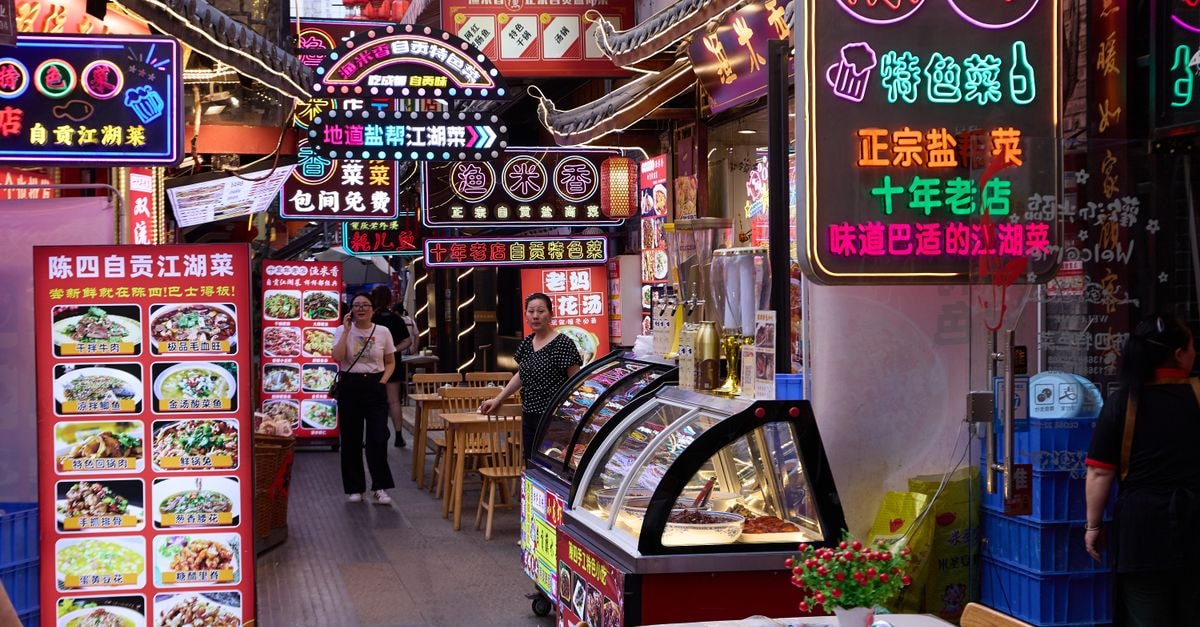
Taizhou does not announce itself through a single signature dish in the way some Chinese cities do. What you will encounter, instead, is the broader framework of Chinese food culture, where regional variety is treated as a point of national pride and every region has its own recognizable approach.
Within that national context, Chinese cuisine is widely described as a tradition built on diversity and balance, and the regional differences between cuisines are part of what makes eating your way across the country so rewarding. Visitors to Taizhou will find themselves inside that larger conversation rather than at the edge of it. Meals tend to reflect the coastal Zhejiang setting, with an emphasis on fresh ingredients and lighter seasoning than some inland Chinese traditions.
For travelers, the most useful mindset is curiosity rather than checklist. Try whatever the local restaurant or guesthouse suggests, pay attention to how seafood and freshwater ingredients appear in different forms, and treat each meal as a small lesson in the regional logic of Chinese cooking. Because menus, prices, and opening hours change, it is always worth confirming specifics before you sit down.
A Final Note Before You Go
Travel conditions, including weather, transport schedules, attraction access, and dining options, can change quickly. Treat the picture painted here as a starting point rather than a final word, and cross-check any detail that affects a booking or a tight schedule through official channels before departure.
For a city that asks visitors to slow down and notice the dialogue between mountain and water, Taizhou rewards exactly that kind of patient planning.
Share this article
TOOLS FOR THIS PLAN
Make the Taizhou plan measurable
Choose a tool only when it answers the next question in your trip. Your values stay in the browser, and each tool offers a route back to this planning context.