A young city shaped by river, sea, and oil

There is something quietly cinematic about a place where one of the world's great rivers finally exhales into the sea. Dongying sits at exactly that moment, where the Yellow River reaches the Bohai on China's eastern coast. The setting alone gives the city a sense of openness that feels different from the inland cities of Shandong. Wide skies, a flat coastal plain, and the steady presence of water define the geography that any visitor will notice almost immediately.
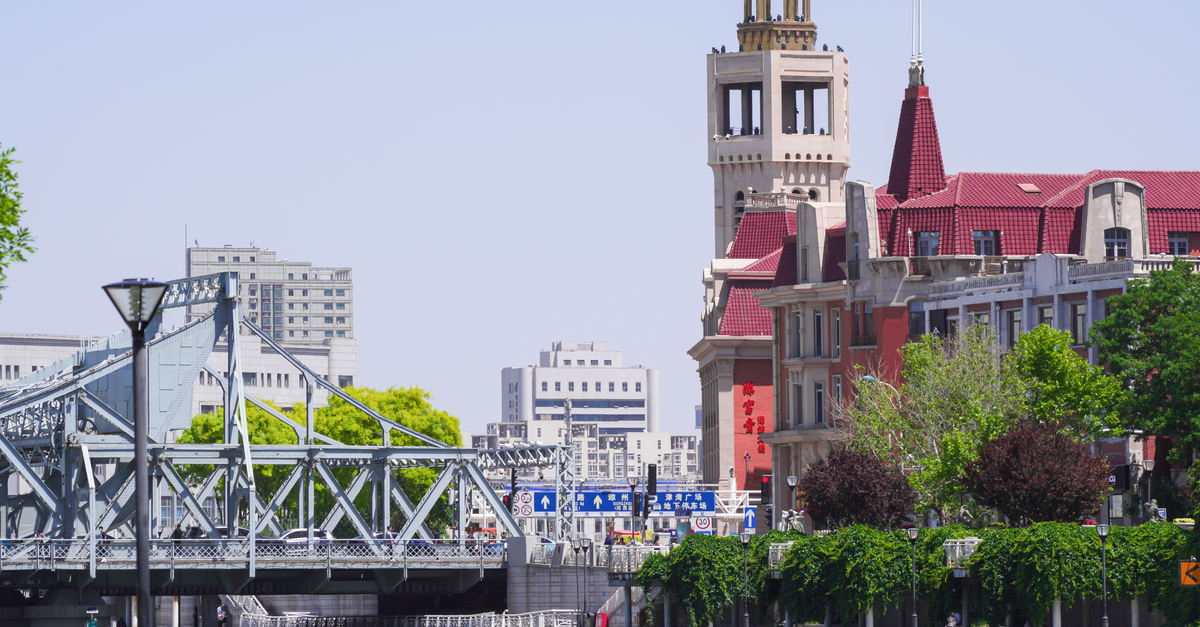
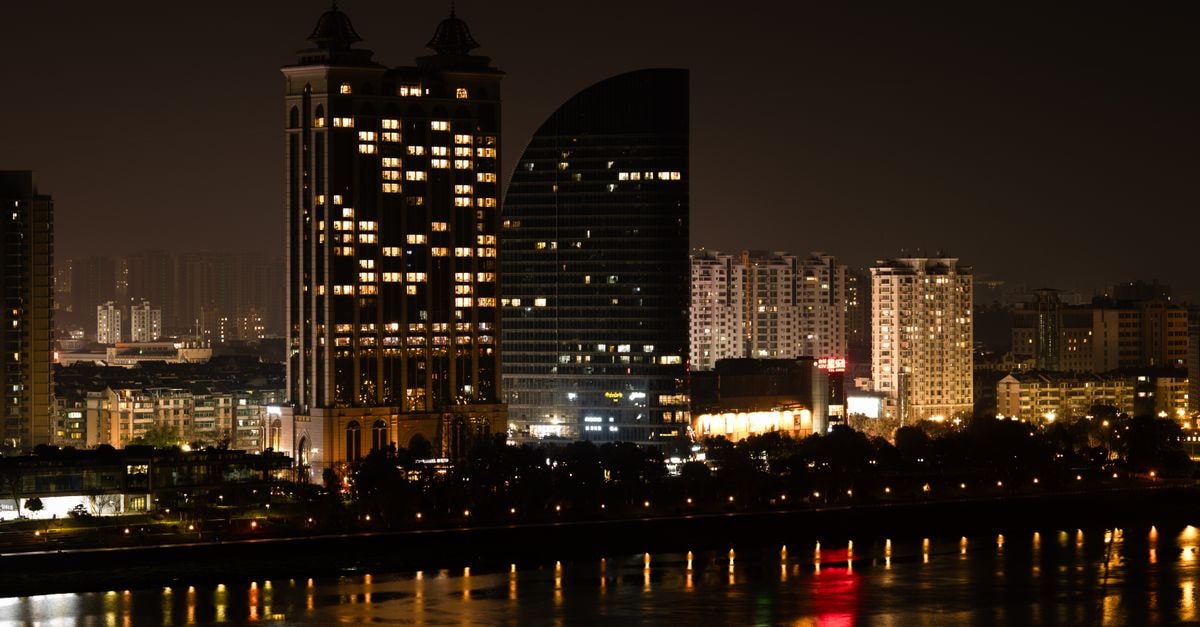
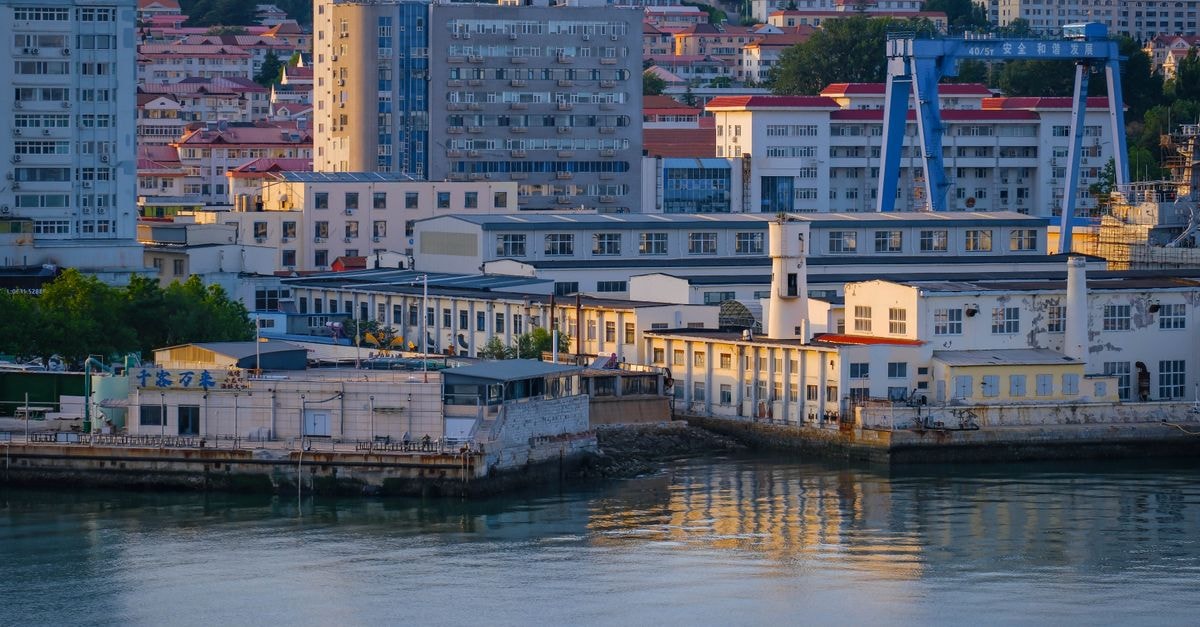
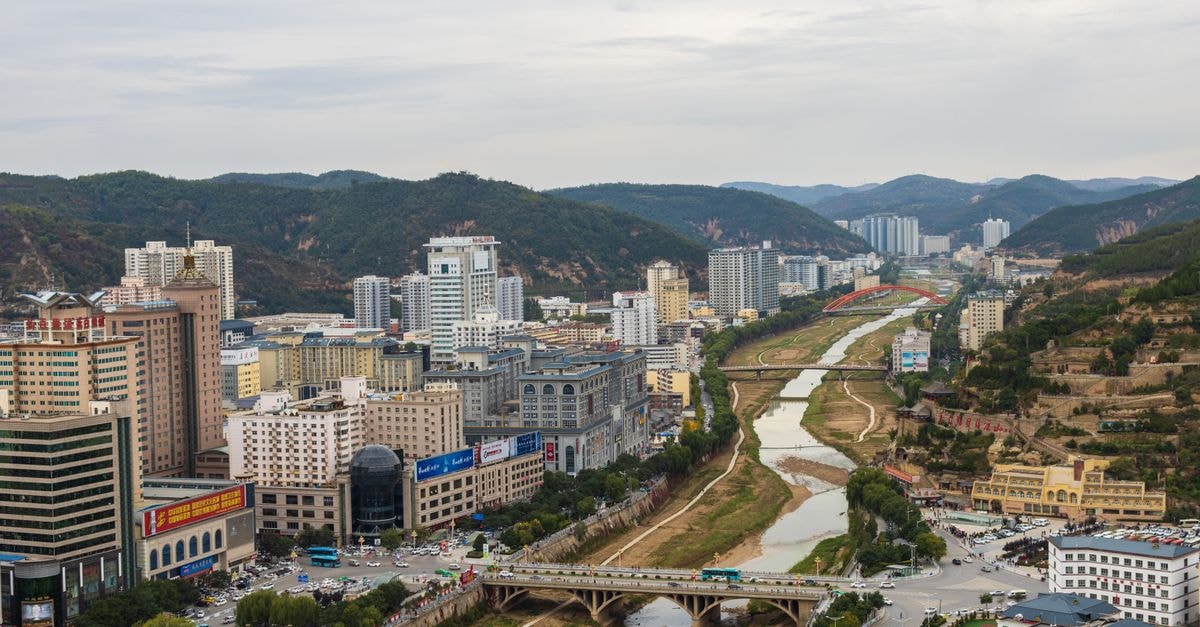
What makes Dongying unusual in a Chinese context is how new it is. It is one of the youngest cities in China, having grown rapidly after the discovery of the Shengli Oilfield in the 1960s. That relatively recent origin means you are unlikely to find the dense historic alleys or centuries-old neighborhoods that anchor many older Chinese destinations. Instead, the city reads as modern, planned, and shaped by industry, with the delta landscape and the coast as its main natural draws.
Weather and seasonal context
Dongying's weather story is shaped by its position in the northern part of Shandong Province, in the Yellow River Delta area, and by the cooling presence of the Bohai Sea to the east and north. That marine influence tends to soften extremes compared with inland parts of the province.
Rainfall is a meaningful part of the local climate. Rainfall can be quite heavy at times, with roughly 151 mm falling across a given month, and when rain arrives it often comes down fairly intensely rather than as light drizzle. For visitors, this means planning around wet weather is worth thinking through. Indoor breaks, a compact umbrella, and flexible pacing between outdoor moments tend to serve travelers well when the skies decide to open up.
Because of the delta setting and coastal exposure, humidity can also feel noticeable. Lightweight clothing, water-friendly shoes, and patience with sudden weather shifts make exploring more comfortable. The reward for braving a rainy stretch is often the softer light over the wetlands and a quieter pace to local life.
Attractions and planning
Dongying's identity begins with its geography. As a prefecture-level city in northern Shandong Province, it is situated precisely where the Yellow River, often called China's "Mother River," empties into the Bohai Sea. That confluence is not just a line on a map; it shapes everything from local ecology to the rhythm of the city. Visitors drawn by nature, bird migration, or simply the feeling of standing at a major river mouth will find that the delta landscape is the headline attraction.
The city's modern origins also matter for planning. Because Dongying developed quickly after the 1960s oil boom, much of what you see reflects a young, planned urban environment rather than a preserved historic core. That can be refreshing for travelers tired of the standard checklist approach. The draw here is the open landscape, the coastal edge, and the sense of being somewhere that is still defining itself.
In practical terms, building a visit around the natural setting works well. Time spent near the river mouth and along the coast tends to be the most rewarding use of daylight, while the city itself offers a base for meals, rest, and orientation. Travelers who enjoy photography, birding, or simply long walks in wide landscapes will likely feel at home here more than those looking for dense urban sightseeing.
Food and local context
Dongying sits within a much wider Chinese food culture that is hard to overstate. Across China, eating is treated as one of the great pleasures of daily life, and the country is known for one of the world's most varied cuisines. Travelers moving through any Chinese city, including a young, modern place like Dongying, will encounter menus shaped by this breadth rather than by a single narrow tradition.
Equally important is the etiquette that surrounds meals. China has a long history of ritual and etiquette around the table, and dining customs have developed to a high degree. Visitors are likely to notice shared dishes placed in the center, tea served alongside meals, and an emphasis on communal enjoyment rather than individual portions. Observing how locals share food, pour tea for one another, and linger over conversation is part of the cultural texture of any Chinese meal.
China's food culture also extends well beyond the plate. From intangible crafts to cuisine, from street life to ritual, travel in China goes beyond sightseeing into a heartfelt cultural resonance that includes how people gather, cook, and eat. In a city like Dongying, where the population has drawn from across the country because of the oil industry, you may find regional influences from many parts of China represented in local restaurants, offering a small tasting tour without leaving town.
For travelers who enjoy food as a way into a place, the experience here is best approached with curiosity rather than a fixed list. Asking locals what they eat on a regular day, what seasonal dishes are appearing, and where families gather for meals tends to lead to richer experiences than searching for a single famous restaurant.
A note on practical travel conditions
Because this guide is built to be useful beyond any single date, a few practical reminders are worth keeping in mind. Weather, hours, and local services can shift, so checking current conditions through official channels before departure is always wise. Treat any general guide as a starting point, not a final itinerary.
Currency exchange rates also fluctuate, and any cost framing you encounter elsewhere is only a reference. For budgeting, it is generally wise to verify the live rate before exchanging money. Dongying is connected into Shandong's broader transport network, but specific schedules, ticket availability, and reservation needs are best confirmed close to your travel date.
The simplest way to approach Dongying is with a flexible plan. Give yourself time near the river and the sea, expect the possibility of rain, and let the city's modern character surprise you rather than disappoint you. The places in China that feel the most personal are often the ones where the landscape, the industry, and the people are still telling their story in real time.
Share this article
TOOLS FOR THIS PLAN
Make the Dongying plan measurable
Choose a tool only when it answers the next question in your trip. Your values stay in the browser, and each tool offers a route back to this planning context.