A working harbor city with a softer side
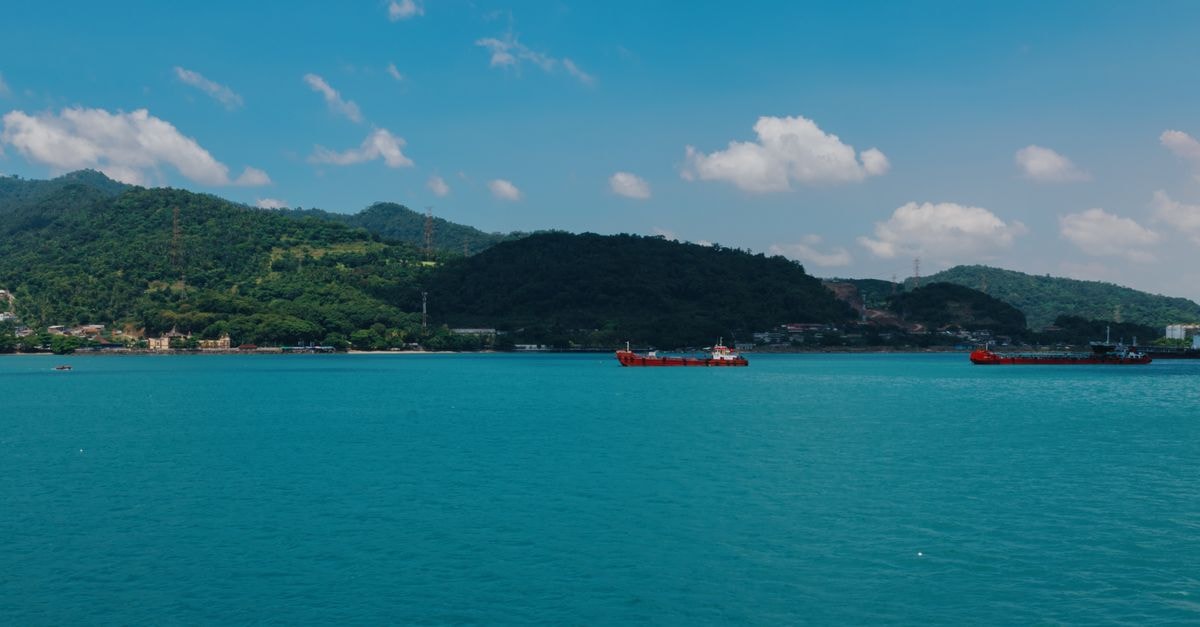
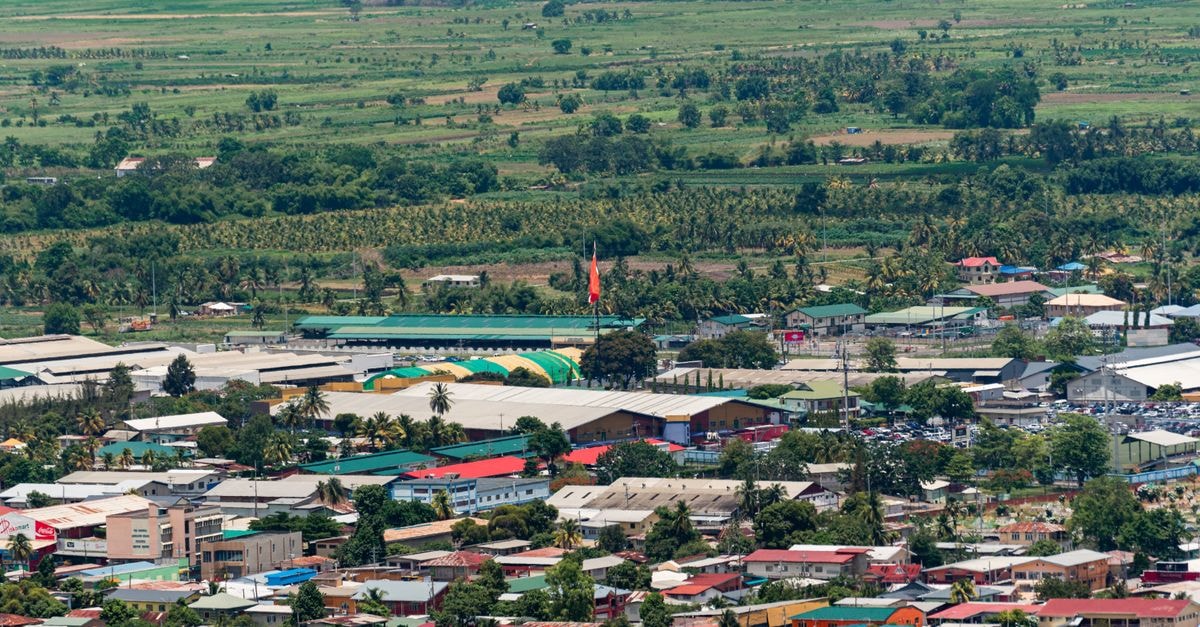
Dumai sits in the north of Riau province on the Indonesian coast, and it wears its identity honestly. This is a place defined by the sea and by the industries that depend on it. The waterfront is shaped by a busy port, palm-oil tankers in the surrounding landscape, and the steady rhythm of ferries that link the mainland with islands further out. Visitors arriving for the first time often notice how quickly the skyline shifts from warehouses and docks to stretches of calmer shoreline, and how the city's maritime economy is never far from view.
For travelers who like ports that feel lived-in rather than polished, Dumai has a particular appeal. The air carries the salt-and-fuel scent of a working harbor, mornings tend to move at the pace of boats and trucks, and the culture that frames it is firmly Malay. If you are the kind of visitor who prefers a destination that explains itself through everyday life rather than curated attractions, Dumai can feel refreshingly direct.
Attractions and planning
Two anchors help frame any visit to Dumai, and both speak to the city's identity as a port with deep regional roots.
The Dumai Museum is the most direct window onto the city's story. Its exhibits focus on the maritime heritage that shaped the settlement, the petroleum industry that drives much of the modern economy, and the regional Malay culture that gives the city its everyday texture. Travelers who enjoy understanding a place through its history, rather than only through its scenery, may find the museum a useful first stop. It gives context to the docks you will see later, and it frames the Malay traditions woven into local food and conversation.
Beyond the museum, Dumai itself is the attraction. The coastal setting in northern Riau is known for its port, its petrochemical industry, and access to nearby beaches and natural landscapes. The port is not a heritage cruise terminal; it is a place where ferries run and the daily economy happens in plain sight. Travelers who appreciate harbor views, the texture of an industrial waterfront, or the chance to watch a working city in motion often enjoy simply spending time along the waterfront.
For visitors who are curious about Dumai but do not want a tightly packed schedule, a slow approach tends to suit the city. The combination of the museum for context and the waterfront for atmosphere gives Dumai a clear shape: a place where the story of the sea and the story of the land meet, and where industry and everyday Malay life sit comfortably side by side.
Food and local context
Food is one of the most immediate ways to read Dumai, because the city eats the way it works: from the sea, through the port, and into roadside stalls.
It is worth stepping back briefly to understand the wider Indonesian food culture that frames what you eat in Dumai. Promoting Indonesian culinary tourism involves sharing the socio-cultural values behind traditional food, not only showcasing the varieties of the dishes themselves: who prepares it, when it is eaten, and what it means in everyday life. Indonesian cuisine is rich in variety and taste because the country stretches across a vast archipelago with enormous geographic and cultural diversity. For travelers in Dumai, this wider context helps explain why even a simple plate of seafood or a roadside snack can carry regional character. Dumai sits within a much broader food culture, and recognizing that wider frame can make a small meal feel more meaningful.
For travelers who enjoy eating close to the source, Dumai's port-adjacent stalls may suit your style. If you prefer sit-down restaurants with printed menus, consider asking locally for the options that match that style, since the evidence here points more clearly to stalls and roadside vendors than to a formal dining scene.
Choosing what fits the trip
Because Dumai's attractions are concentrated and its character is strong, the trip tends to take shape around two questions: how much time you want near the water, and how curious you are about the cultural layers behind the harbor.
If maritime history, regional Malay culture, and the story of the petroleum industry interest you, the Dumai Museum can anchor a thoughtful visit and give meaning to the docks you walk past later. If your priority is atmosphere, the waterfront itself, with its working-port energy and views across the harbor, may be the highlight, and the museum can serve as background reading rather than a main event. Food-focused travelers may want to lean into the seafood stalls and roadside Malay snacks that are part of the port's daily rhythm, while keeping in mind that this is one expression of a much wider Indonesian food culture rather than a formal restaurant scene.
A final note before you go
Dumai rewards travelers who arrive curious and unhurried. The museum offers context, the port offers atmosphere, and the food offers a direct line into both the sea and the Malay culture that surrounds it. Because this is a working city rather than a polished resort, the experience tends to feel most rewarding for visitors who are comfortable letting the day shape itself around what they find.
Factual travel conditions can change, and details such as opening hours, transport schedules, and prices should be confirmed through official channels before departure.
Share this article
TOOLS FOR THIS PLAN
Make the Dumai plan measurable
Choose a tool only when it answers the next question in your trip. Your values stay in the browser, and each tool offers a route back to this planning context.