A first look at Ōtsu
Tucked into the southwestern shore of Lake Biwa and just a short hop from Kyoto, Ōtsu carries the feel of a city that quietly anchors a region. Travelers who like their journeys layered — a stretch of historic road here, a temple terrace there — tend to find plenty to follow. Ōtsu's story is tied to old travel routes, lakeside scenery, and a temple belt that climbs toward the hills separating Shiga from Kyoto. The pieces below come together gently into a slow-paced city visit shaped by walking and looking.
Old roads and samurai-era sites
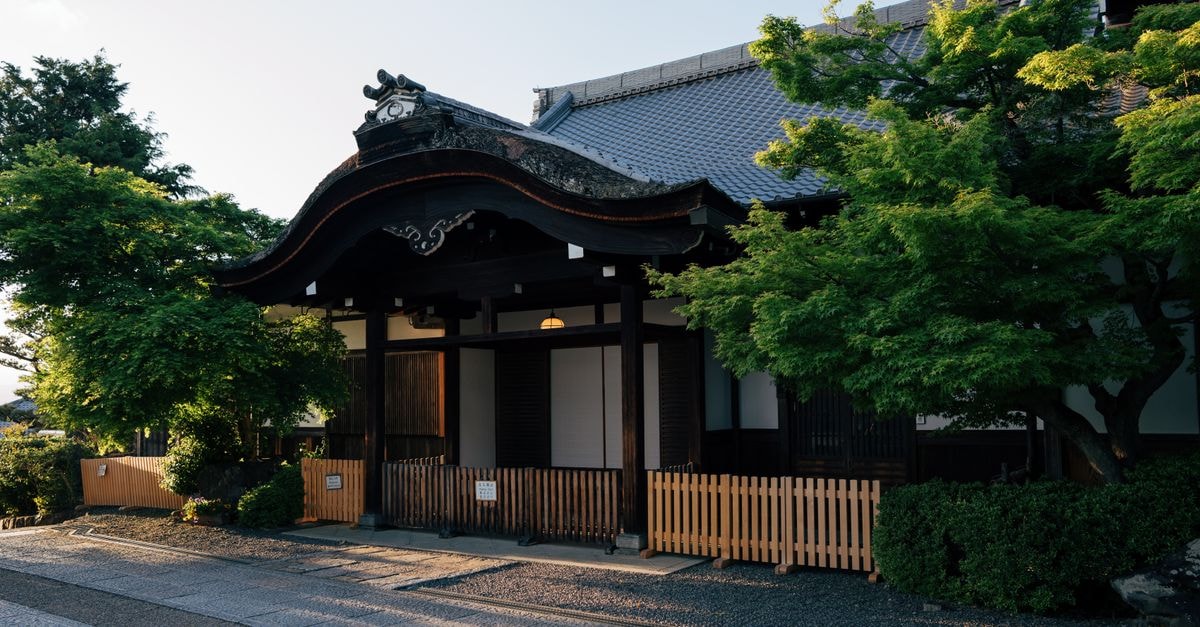
Ōtsu's identity was shaped in large part by its position on historic travel routes, and a few reminders of that era still anchor the city. The Former Tokaido around the Seta area preserves samurai-era residential remains linked to the abandonment of Ōtsu Castle by Tokugawa Ieyasu during the Edo period; those layers of history are what make the site worth a slow wander rather than a quick stop.
A related stop along the same heritage corridor is the Otsu-juku Honjin Remains at Gesshin-ji. Otsu-juku was one of the stops on the Tokaido road that historically connected Kyoto to Edo (present-day Tokyo), and the honjin — the official inn reserved for high-ranking travelers — left behind traces that visitors can still trace on foot today. Travelers drawn to old post-town atmospheres and Edo-period storytelling may want to linger here, while those who prefer a single sweeping view above the city could plan a shorter stop and save energy for the foothill temple in the next section.
Temples in the foothills above Lake Biwa
The hills between Kyoto and Shiga host one of Ōtsu's defining landmarks. Miidera is a large Heian-era temple set into those foothills, and from its grounds visitors can look out over Ōtsu city to Lake Biwa spread out below. The combination of an early-Heian setting, mountain forest, and a panoramic lake view gives the temple a layered quality that suits travelers who enjoy pairing a cultural site with a visual payoff.
Because the temple sits in elevated terrain, the approach can involve uphill walking. Consider wearing comfortable shoes and pacing the visit so the view at the top is enjoyed rather than rushed. If sweeping lake panoramas matter to you on a trip, this is the kind of stop to build the day around rather than squeeze between other plans.
A wider look at Japanese food culture
Dining in Ōtsu sits inside a much broader Japanese food scene worth knowing about before you arrive. As an island nation, Japan lies where warm and cold currents meet, which has long supported bountiful fishing yields and a rich seafood culture that visitors may encounter in many forms while traveling through the country. That context helps explain why fish-based dishes and seafood markets are such a familiar part of everyday eating in Japan.
Beyond the coast, agriculture plays an equally visible role. Students and travelers can visit or stay at local farms to see how farmers grow ingredients that have helped shape Japan's washoku culture, the country's traditional food culture recognized for its balance and seasonality. Knowing that farming and foraging sit alongside seafood in the national story gives visitors a useful frame when reading menus in Ōtsu and elsewhere.
How dining out works across Japan
Restaurants across Japan cover an unusually wide spectrum, ranging from mobile food stands and inexpensive chain shops to centuries-old ryotei, atmospheric drinking places, and seasonally erected terraces over rivers. That range means that wherever you are in the country, you can usually match the meal to the mood — a quick bite between sights, a long evening in a historic room, or something in between.
Japanese cuisine itself has a large variety of dishes and regional specialties, so stepping into a restaurant in Ōtsu is also a chance to notice how the wider culinary map is assembled. Travelers who like variety may want to mix a casual standing-or-counter meal with at least one slower sit-down experience, while visitors who prefer familiar formats can lean toward chain restaurants and bentō counters without missing out on atmosphere. For anyone keen to decode menus, asking about local or seasonal specials tends to surface the most distinctive options.
Choosing what fits your Ōtsu trip
A few tradeoffs are worth weighing before settling into a plan. Ōtsu's historic sites, like the Former Tokaido samurai remains and the Otsu-juku Honjin Remains, reward walking and patience more than a checklist — travelers who enjoy following old routes may want to give them room to breathe. Miidera, by contrast, leans on its foothill setting and view over Lake Biwa, so if panoramic scenery is a priority, that temple is the natural anchor of the day. Because Miidera sits in hilly terrain, consider how much uphill walking feels right and pace other stops accordingly. Pairing one history-focused area with the temple view, then keeping dining flexible for both quick and slow formats, tends to make a balanced visit without trying to cover too much ground.
Before you go
Ōtsu is best treated as a layered city rather than a single-attraction stop, with its Edo-era road heritage and foothill temples offering different moods across a day or two. Factual travel conditions can change over time, so confirm opening details, transport connections, and any local guidance through official channels before departure. If a specific site, route, or dining format matters to your plans, a quick check with the local tourism office or temple can resolve the last details and help shape a smooth visit.
Share this article
TOOLS FOR THIS PLAN
Make the Ōtsu plan measurable
Choose a tool only when it answers the next question in your trip. Your values stay in the browser, and each tool offers a route back to this planning context.