A Kurdish discovery tucked into the Zagros foothills
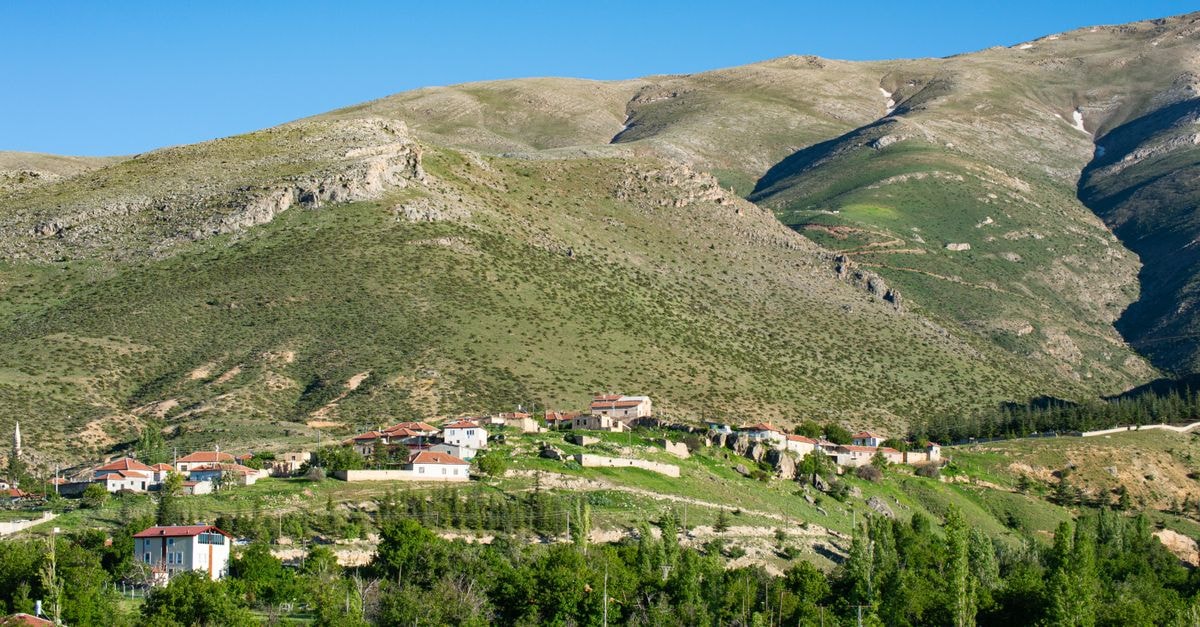
Sanandaj sits in Kurdistan Province, where the Zagros range folds northwestward and Kurdish culture runs through everyday life. The city carries the quiet character of a regional capital that has long been a meeting point for musicians, traders and craftspeople, and its mountain setting gives even short walks a layered backdrop. Travelers who arrive with curiosity about Kurdish heritage rather than a checklist of major Iranian sights often find that Sanandaj rewards a slow afternoon with a few memorable stops, a long meal, and the gentle bustle of bazaar lanes. This guide leans into that pace, gathering what is worth knowing about the sights and the table before you set out.
Attractions and planning
The most singular built landmark on many itineraries is the **Sanandaj Church**, a heritage site that dates back to the final days of the Safavid dynasty, during the reign of Shah Abbas II, roughly two centuries after the dynasty's earlier zenith. Its age, layered religious history and survival through later political shifts give it a depth that goes well beyond the modest footprint visitors sometimes expect from a single church building. Travelers interested in religious architecture, Safavid-era history and the long Armenian presence in Iranian cities may find this stop especially meaningful, because the site reflects how the dynasty shaped sacred spaces at the edges of its reach. Photographers may want to plan their visit for softer hours, since the warm-toned stonework tends to glow in low-angle light; readers drawn to larger museum complexes or extensive religious precincts should consider that the experience here is intimate and architectural rather than expansive.
For first-time visitors, the church is straightforward to pair with an unhurried wander around the surrounding lanes, where the everyday rhythm of Sanandaj becomes part of the attraction. Those who plan a longer stay can treat the church as a calm anchor in a day that also leaves time for Kurdish handicrafts, a casual stroll through the old quarters and the kind of unhurried conversation with locals that this part of Iran is known for. Because opening details and any admission arrangements for the church can change, it is worth confirming current visiting hours and access rules locally or through your accommodation before setting out; the wider context of the Safavid period can be researched in advance, but the practical logistics of entering the site should be checked on the day.
Food and local context
Food is one of the most enjoyable ways to feel the texture of Kurdish life in Sanandaj, and the city sits within a region that stretches from the northwest of the Zagros to the east of the Toros mountains, where most residents are Kurdish. This regional backdrop shapes what arrives on the plate: family recipes, seasonal produce and the rhythms of a cuisine that has stayed closely tied to its landscape.
Sanandaj itself is known for **special dishes with a pure taste that are made from natural ingredients**, an approach that rewards travelers who enjoy simple but carefully prepared food rather than elaborate presentations. The emphasis on natural ingredients means that menus often lean on what is at its peak locally, and diners can expect dishes that feel rooted in the kitchen rather than designed for show. Travelers who prefer highly spiced or internationally familiar flavors may want to ask their hosts or hotel staff for guidance, since the local palate can be gentler and more herb-led than what some visitors expect from regional Iranian cuisine.
Choosing what fits your trip
A short stay in Sanandaj can lean in two directions, and the right balance depends on what you find restorative. If your interest runs toward layered history, the Sanandaj Church offers an intimate window into the Safavid era that pairs well with slow exploration of the surrounding old quarters and bazaars, leaving room for unhurried meals and conversations with locals. If your interests run toward the table and everyday culture, plan lighter days so that long Kurdish lunches and market wanderings can shape the rhythm, treating any sightseeing as a calm anchor rather than a goal. Travelers who want both can use the morning for the church and the surrounding heritage streets, then settle into a long afternoon meal built around natural-ingredient Kurdish dishes, finishing with a quiet evening walk. Match the pace to your energy: those who recharge through stillness will appreciate fewer stops and longer meals, while travelers who enjoy a fuller day can layer in crafts, music and neighborhood walks around the same anchors.
A note on verification
Practical details such as opening hours, admission arrangements and the exact scope of food offerings can change over time, so it is wise to confirm current conditions locally or through your accommodation before visiting the Sanandaj Church or choosing specific places to eat. Factual travel conditions can shift, and official channels should be checked before departure.
Share this article
TOOLS FOR THIS PLAN
Make the Sanandaj plan measurable
Choose a tool only when it answers the next question in your trip. Your values stay in the browser, and each tool offers a route back to this planning context.