The Quiet Pulse of Tanzania's Old Swahili Port

There is a particular kind of city that reveals itself slowly, and Tanga is exactly that kind of place. Set on the western edge of the Indian Ocean along Tanga Bay in the northeast of Tanzania, it carries the layered feel of a city that has watched trade and travellers come and go for centuries. The pace is gentle, the streets feel lived-in rather than packaged, and the kind of exploration that suits it best is unhurried: walking, looking, and letting the rhythm of the coast set the tempo for the day.
What makes Tanga feel different from Tanzania's headline destinations is precisely its understated nature. It is a historic Swahili port city shaped by centuries of trade, cultural exchange, and coastal tradition, and that long history sits quietly inside the everyday scene rather than being staged for visitors. The result is a destination where curiosity tends to be rewarded more than a packed schedule would be. Travellers who arrive looking for authenticity, coastal light, and a sense of place often find that Tanga offers a more contemplative side of Tanzania than they expected.
Weather and Seasonal Context
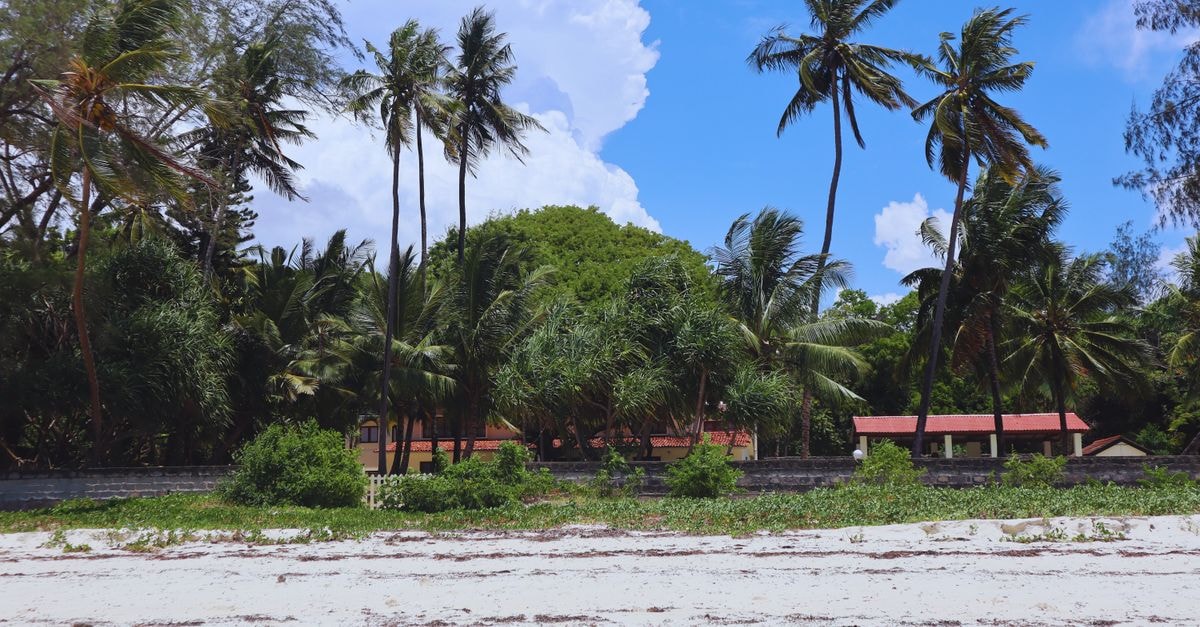
The climate of Tanga is shaped by its coastal position on the Indian Ocean, and that single fact colours most of what a visitor experiences day to day. Because the city sits right on the water along Tanga Bay, humidity tends to be part of the atmosphere, the breeze off the ocean is a constant companion, and the light has that soft, slightly hazy quality that coastal East African cities are loved for.
Rather than fixating on a single month, it helps to think of Tanga in terms of two broad experiences: the drier stretches when skies tend to be clearer and movement around the city feels easier, and the wetter stretches when tropical rain can arrive in heavy, passing bursts. Either way, the city's relationship with the sea means that the weather can feel changeable in the short term even when the broader pattern is steady. Lightweight, breathable clothing is a practical default, and a compact rain layer is the kind of item that earns its space in a day bag more often than not.
One of the simplest pieces of advice for Tanga is to let the coast set the rhythm. Mornings are often the most comfortable time to be out exploring, mid-day can feel warmer and more humid under the sun, and the later hours tend to settle back into that easy coastal tempo. Travellers who pace themselves around the warmth rather than fighting it usually find they enjoy the city more, and they leave with a more honest impression of what life here actually feels like.
Getting Around and Moving On
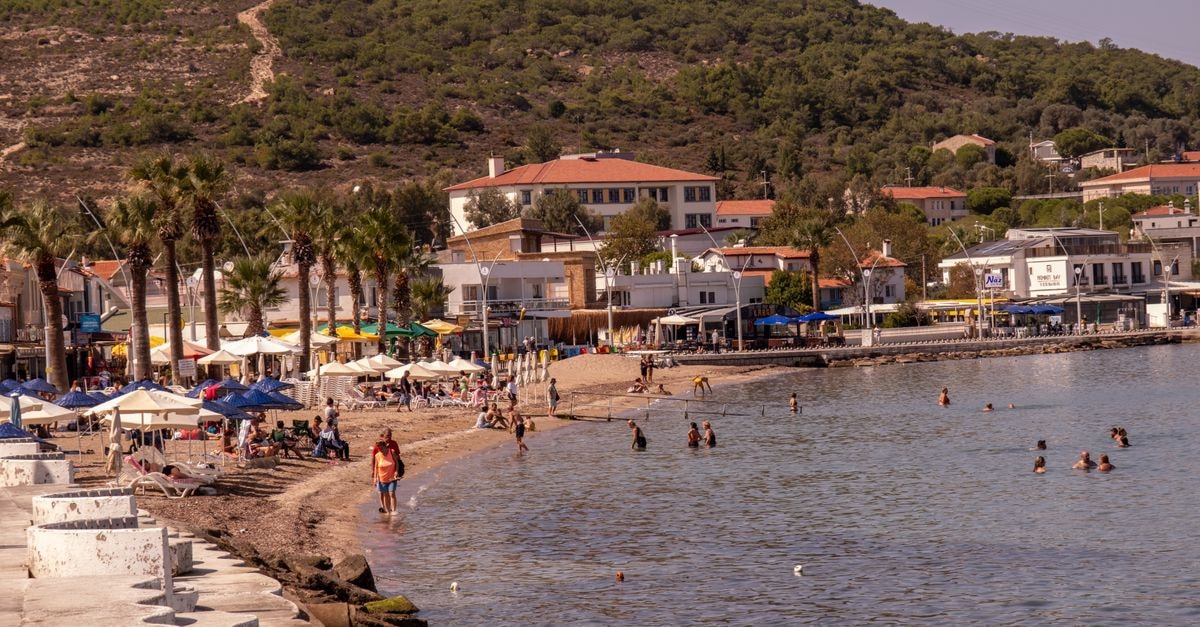
Tanga rewards the kind of traveller who is comfortable walking and taking things as they come. It is a port city where it is genuinely possible to wander the older streets without being mobbed or hustled, and that quiet accessibility is one of its most appealing qualities. The German colonial-era streetscapes, the working harbour, and the everyday scenes of coastal life all sit close enough together that a curious visitor can move between them on foot and absorb the city's texture rather than just its sights.
For longer distances or journeys beyond the centre, shared transport is part of the local fabric. Matatus are a familiar presence in northeast Tanzania, and they have historically connected Tanga with surrounding towns and coastal destinations, giving travellers a flexible way to move at modest cost. Because Tanga sits close to the Kenyan border, it works naturally as either a destination in its own right or as a stepping stone within a wider northern coastal route. Travellers who like the idea of building a slower journey along the Indian Ocean coast often use it as a base for a few nights of walking, watching the harbour, and getting a feel for Swahili coastal life before continuing on.
A Practical Note Before You Go
Factual travel conditions can change, and details such as transport schedules, prices, and border procedures are worth confirming through official channels close to the time of travel. Currency exchange rates shift day to day, so any reference figures should be treated as a guide rather than a guaranteed rate. A little preparation goes a long way in a city like Tanga: comfortable shoes for the older streets, patience for the coastal pace, and an openness to a destination that does not need to be hurried to be appreciated.
*This guide is based on durable city-level information and is intended as evergreen context. For the most current travel conditions, please check official sources before departure.*
Share this article
TOOLS FOR THIS PLAN
Make the Tanga plan measurable
Choose a tool only when it answers the next question in your trip. Your values stay in the browser, and each tool offers a route back to this planning context.