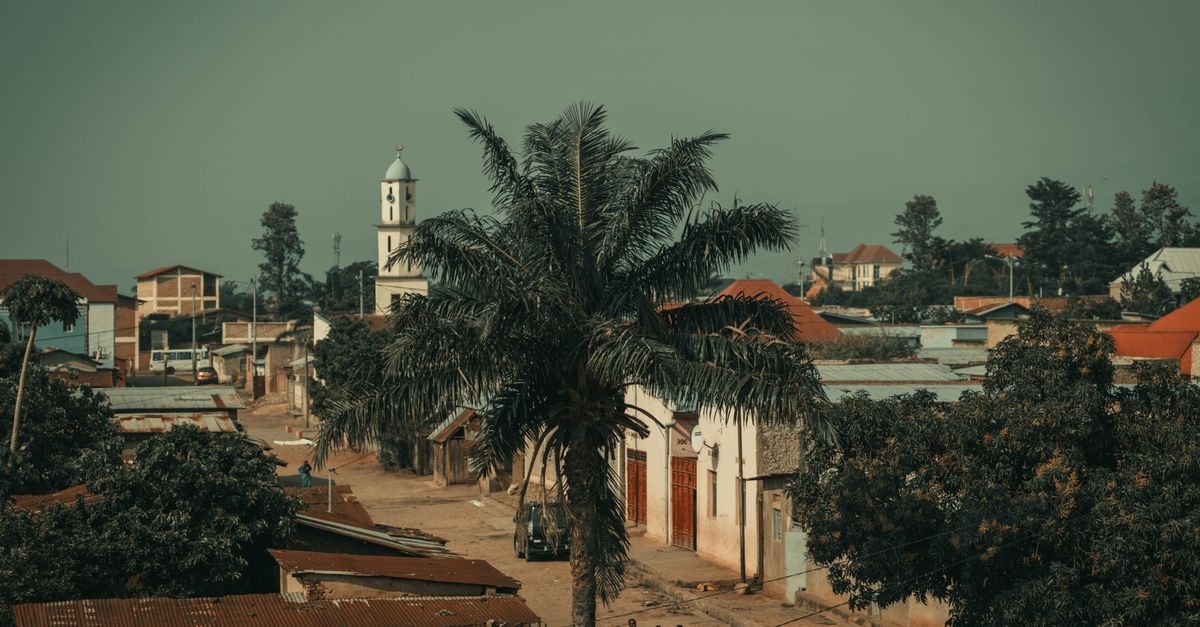
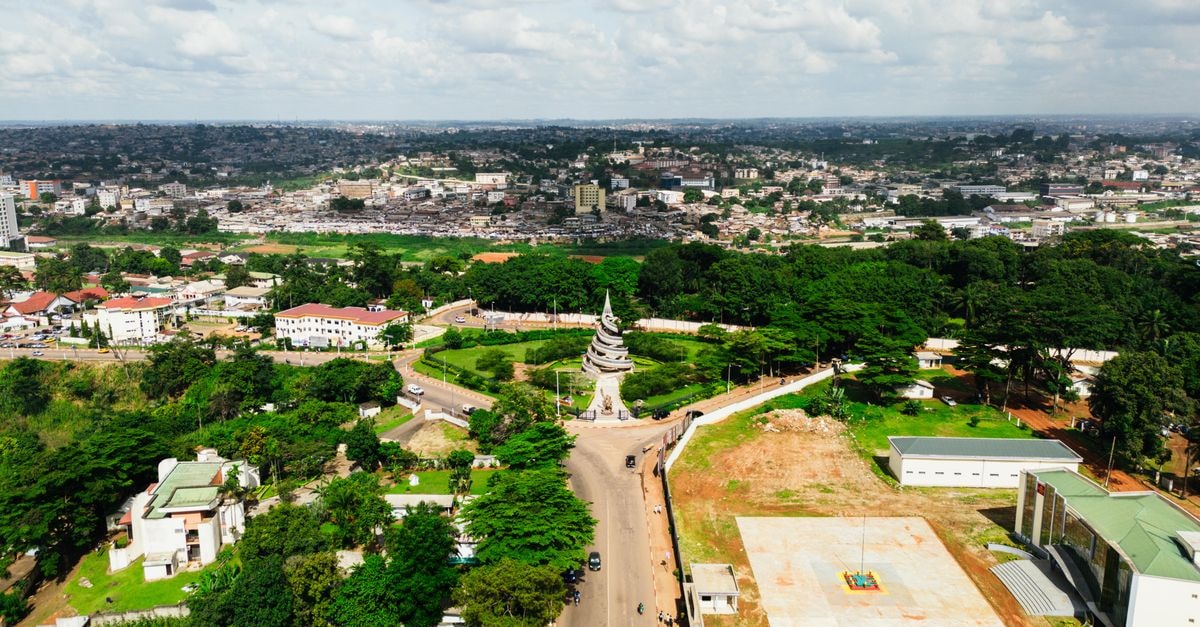
A lagoon-side corner of Lagos waiting to be noticed

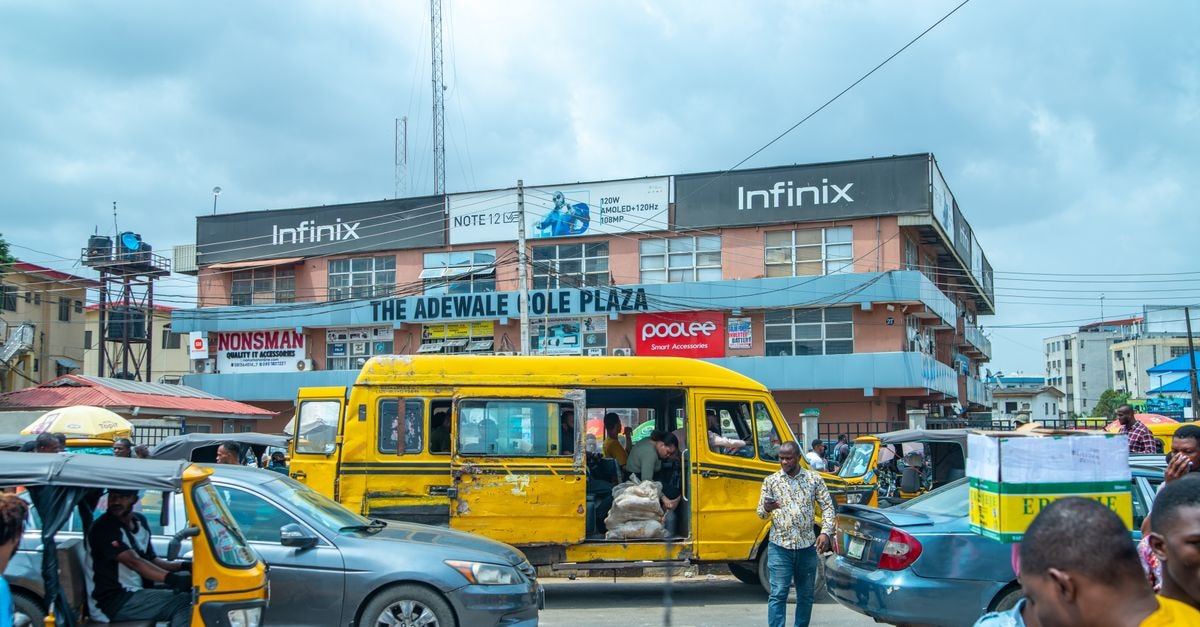
Most visitors arriving in Lagos picture the bright rush of the islands, the marina skyline, and the long Atlantic sweep of beach clubs. Ebute Ikorodu sits on a different edge of that same metropolitan energy. Tucked along the Ikorodu axis where the city's road network meets the lagoon system, it has the feel of a working neighborhood that doubles as a gateway — a place where land routes and water routes converge, and where the pace feels a step removed from the busiest parts of the megacity. Travelers who like to look beyond the headline districts often find that this kind of in-between territory is where Lagos starts to feel most human.
This guide keeps the focus on what is genuinely useful for a visit: the climate you can expect, how people move around, and where the city's attractions begin and end when you base yourself here.
Weather and seasonal context
The climate around Ebute Ikorodu is warm and humid in the way coastal southern Nigeria broadly is. Average daytime temperatures sit around 25°C, with daytime highs reaching roughly 29°C and overnight lows settling near 23°C. That narrow band of warmth, combined with humidity drawn from the lagoon and the nearby Atlantic, means the air can feel heavier than the thermometer suggests, and outdoor plans tend to be more comfortable in the cooler hours of the morning and later afternoon.
Long-term climate data for the area is drawn from reanalysis readings rather than a single live station, so the numbers above describe the kind of conditions travelers typically encounter rather than a precise forecast for any given day. The practical takeaway is modest: light breathable clothing, water within reach, and the willingness to pace the day around the heat rather than against it. Heavy rain showers are part of the wider regional rhythm, so a compact rain layer is a sensible everyday item rather than a seasonal one.
Getting around
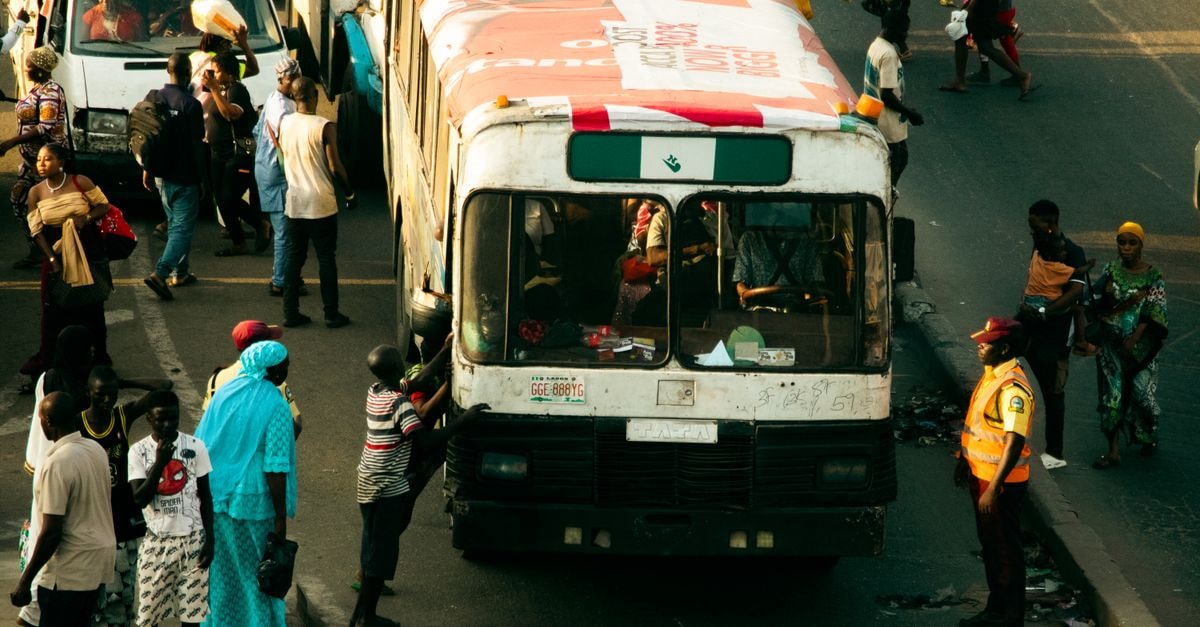
The first thing to know about moving through Ebute Ikorodu is that it is built for connection. The area is recognized as an important hub for both land and water transport, which is a useful piece of context for anyone trying to plan logistics. Road routes tie it into the broader Lagos network, and the lagoon setting also opens up boat options that simply do not exist in inland neighborhoods.
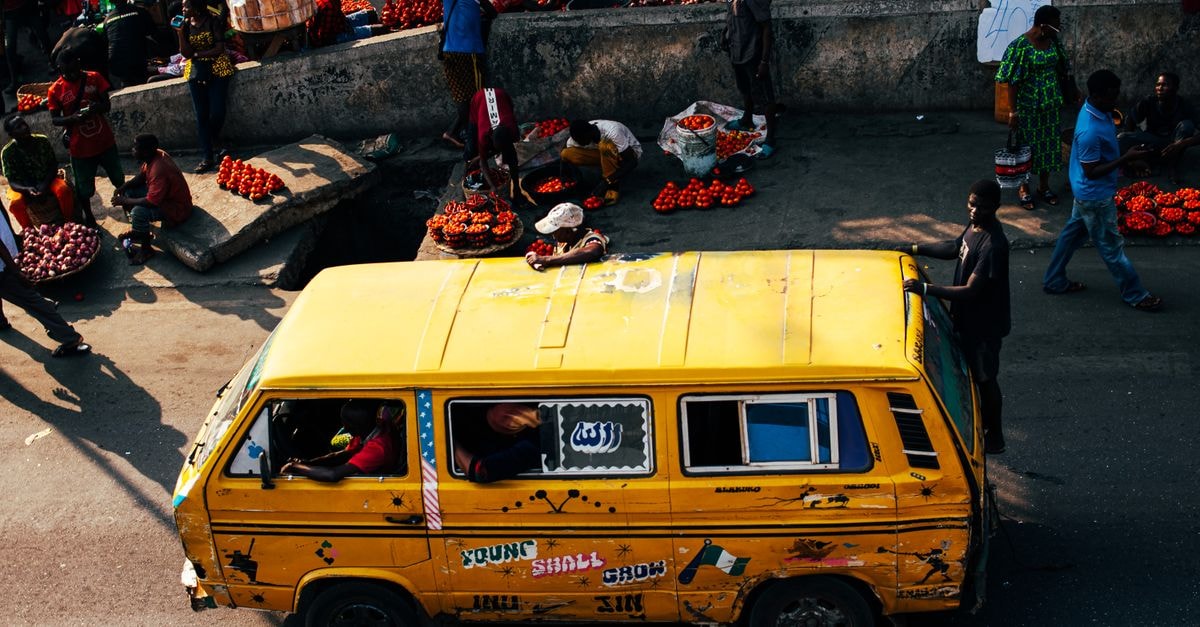
In practice, that mix tends to shape how visitors get around. For distances within the local area, the same options that work across much of Lagos — shared minibuses, motorcycle taxis, and hired cars — are part of the daily rhythm. For longer distances, the road links are the usual way to reach the island districts of Lagos and the surrounding towns. The water side is worth thinking about even if you do not plan to use it heavily, because ferries and small craft operating on the lagoon can shorten some trips that look long on a map, and they offer a different view of the city entirely.
Because schedules, fares, and specific operators in this part of Lagos change frequently, the most reliable habit is to confirm the current details locally on the day of travel rather than rely on a fixed plan built in advance.
Attractions and planning
One honest note about sightseeing in Ebute Ikorodu is that the area itself is better understood as a base than as a checklist of headline sights. The kind of glossy "things to do" list that fills up a Lagos itinerary more often points visitors toward the Atlantic coast and the central island districts. Beach clubs with recreational facilities, for instance, are mainly found on Lagos's Atlantic coastline, which requires travel from Ikorodu rather than a short hop within it. That is not a drawback so much as a shape: Ebute Ikorodu works well as a calmer, more residential place to sleep, eat, and watch the lagoon, with day-style excursions outward when energy calls for it.
Within the immediate area, the appeal is quieter and more atmospheric. The lagoon edge itself is the headline feature, and the kind of traveler who enjoys slow mornings by the water, watching boats move between settlements, tends to get the most out of a stay here. The road and water links also make it straightforward to head into busier parts of Lagos for a few hours and then return to a more relaxed setting in the evening.
When planning, it helps to treat your time as a balance between the local and the wider city rather than a long list of in-area stops. Pick a few simple rhythms — a morning walk along the lagoon, a meal of whatever is fresh that day, and one excursion outward — and let the rest of the stay fill in around them.
A few practical notes
A short stay in Ebute Ikorodu tends to go smoothly when a few habits are built in from the start. Carry small denominations of local currency for everyday purchases, because card acceptance is uneven outside larger establishments. Confirm any transport choice — whether a road transfer or a lagoon crossing — on the day you intend to use it, as services evolve quickly. And give yourself more time than you think you need between the lagoon side and the Atlantic coast, because the easiest route is not always the shortest one.
Above all, treat the area as a base with a personality rather than a stopover between bigger Lagos draws. Travelers who arrive with that framing tend to leave with a clearer sense of how the city actually lives, beyond the postcard version.
A note on verification
Travel conditions — including transport services, weather patterns, and the availability of activities — can change without warning. Treat the guidance above as a starting framework rather than a final plan, and check current conditions through official channels and on-the-ground sources before you travel. Exchange rates, local prices, and transport details are especially worth confirming close to your departure date. Where this guide has stayed deliberately light on specifics, it is because the most reliable specific numbers are the ones you collect in the moment, not the ones carried forward from an earlier trip.
Share this article
TOOLS FOR THIS PLAN
Make the Ebute Ikorodu plan measurable
Choose a tool only when it answers the next question in your trip. Your values stay in the browser, and each tool offers a route back to this planning context.