A first impression of Ikeja

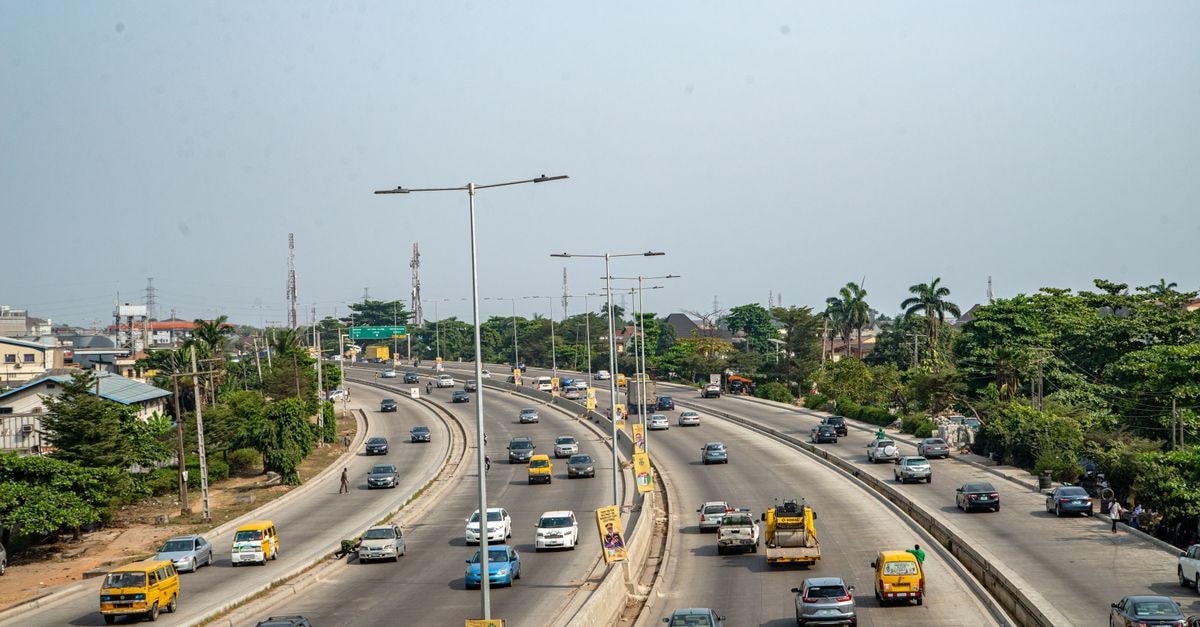
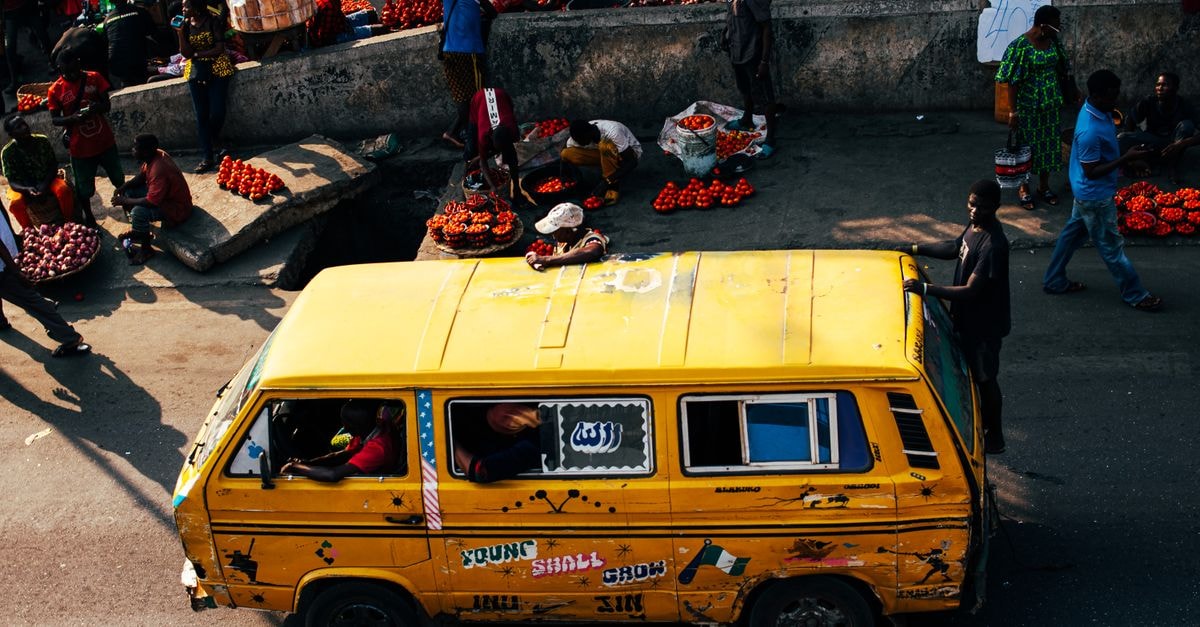
Ikeja sits as the quieter administrative heart of Lagos, a district where leafy residential streets meet the steady pulse of the wider city. It is the kind of place visitors often arrive through before they really begin to explore, which means spending time here on its own terms can feel like a small discovery. The pace is measured compared with the bustle of the islands, and the everyday rhythm is shaped by government offices, markets, and a slowly expanding transit network.
For travelers who like a base that feels lived-in rather than overtly touristic, the district offers a useful balance. You get practical infrastructure, recognizable chains, and a few longer-standing restaurants, alongside the sense that you are in a working Lagos neighborhood rather than a curated resort pocket. That grounded feel is part of what makes Ikeja appealing for visitors who want their trip to feel real.
This guide focuses on three threads that came through clearly in the available information: the climate context that shapes the day, the rail-driven shift in how people move through the city, and the local food scene around the Ikeja GRA.
Weather and seasonal context
Ikeja's climate is shaped by the wider West African pattern of warm temperatures year-round, with rainfall patterns doing more to define the feel of a visit than the thermometer alone. The district sits in a coastal belt where humidity is a constant companion, and the difference between months often shows up in cloud cover, afternoon showers, and how green the surrounding streets look.
Within the wetter portion of the yearly calendar, weather data notes that the average sliding 31-day rainfall in Ikeja is on an increasing trend as the period progresses, which suggests that early stretches may bring slightly more forgiving conditions than later ones. This kind of gradual shift is typical of the transition between the heavier rainy stretch and the months that follow.
For travelers who are sensitive to sudden downpours or who plan to spend long stretches outside, this matters in practical ways. Mornings can often be the calmer window for walking or sitting outdoors, while the afternoon is more likely to bring a heavy shower. Carrying a light layer that can handle both warmth and a brief rain is a simple way to stay comfortable. Because the climate source does not give exact daily highs or lows here, it is worth confirming the current short-range forecast before committing to outdoor plans.
The broader point is that Ikeja's weather is less about extremes and more about rhythm. Plan for warmth, plan for humidity, and build a little flexibility into the day so that a passing storm does not derail your plans.
Getting around
The most interesting shift in how visitors move around Ikeja and the wider Lagos area is the arrival of the city's rail lines. The Red and Blue lines have introduced a new layer of public transit that local coverage describes as a meaningful change for commuting in Lagos, with officials calling the new rails a game-changer for daily travel. For visitors, this means that the city is increasingly legible by train rather than only by road.
The practical effect is that Ikeja residents and travelers now have a rail option that can ease some of the friction that comes with moving across a city as large and traffic-heavy as Lagos. Trains change the calculus for trips that would otherwise depend entirely on road transport, which can be slow during peak hours. If you prefer to avoid long road transfers, the rail network is worth understanding as part of your planning.
A few things are worth keeping in mind when you start using the rail. Stations, timetables, and ticketing details are best confirmed through official channels close to your travel dates, because service patterns can shift. Treat the rail as one option in a layered transport toolkit, alongside ride-hailing and short road transfers for the parts of your trip that the network does not directly serve. Because the available evidence speaks to the rail's role in commuting rather than to specific tourist routes, it is wise to ask locally about which station and line best matches your destination before you set out.
For travelers who like to feel that a city has a coherent transit story, the new lines make Ikeja a more comfortable base than it once was. You can plan a day that uses the train for the longer leg, then finish the journey by car or on foot.
Food and local context
Eating well in Ikeja does not require a long search. The Ikeja GRA area is a recognizable anchor for dining, and a few longer-standing names give the district a settled food identity rather than a constantly rotating list. One example that appears in the local dining landscape is Yellow Chilli Ikeja, described as an upscale Nigerian restaurant in the GRA, and noted as the original location of the brand. Price indications in local coverage place a meal there in a moderate to higher range per person, which is useful context for travelers planning an evening out.
Because the approved evidence points to a single specific venue rather than a full list of options, it makes sense to treat this as one reliable anchor rather than a ranked shortlist. Visitors who enjoy trying established Nigerian kitchens in a relaxed setting may want to keep this kind of restaurant in mind as a starting point, and then expand from there based on local recommendation once they arrive.
It also helps to understand the wider Nigerian dining context that visitors may encounter in Ikeja. Across the country, food culture tends to center on shared plates, hearty soups and stews, and the kind of cooking that suits both everyday meals and longer, more leisurely gatherings. Restaurants in Ikeja reflect that wider pattern, with menus that often move comfortably between quick local lunches and slower multi-dish dinners. Travelers who prefer to pace a meal around several shared plates rather than a single entrée will find that style of eating easy to adopt here.
For travelers who want to combine food with their sense of the district, anchoring an evening in the GRA, around one of the longer-standing Nigerian restaurants, is a simple way to feel the neighborhood. A modest budget per person covers a comfortable meal at the kind of place mentioned above, while a more indulgent evening with drinks and additional courses can move higher. Because prices and menus shift, it is reasonable to confirm the current range when you arrive.
Choosing what fits your Ikeja trip
Because the approved information points in a few clear directions rather than offering a wide checklist, the most useful way to plan is to think about what kind of traveler you are. If your priority is understanding the climate rhythm and pacing outdoor time around it, lean on the rainfall pattern and treat mornings as your main window for being outside. If your priority is moving efficiently through the wider city, plan your days around the rail lines as the main spine, with ride-hailing for the segments the train does not cover. If your priority is food, anchor a meal in the Ikeja GRA and use that as a base to explore nearby options on foot. Each of these choices works on its own, but they also combine cleanly: a morning walk, a midday train ride, and an evening meal in the GRA make a comfortable day that does not try to do too much.
Travelers who dislike humidity or sudden rain, or who plan long outdoor afternoons, may want to keep plans flexible around the weather, while visitors who mainly want a comfortable base with reliable transit and good dining will find that Ikeja already fits that brief well. Because specific hours, prices, and service details can change, a quick confirmation through official channels or your accommodation before each step will help the trip run smoothly.
Share this article
TOOLS FOR THIS PLAN
Make the Ikeja plan measurable
Choose a tool only when it answers the next question in your trip. Your values stay in the browser, and each tool offers a route back to this planning context.