Where the Mountains Meet the Sea

Fangchenggang sits along the southwestern coast of Guangxi, where land leans into the Beibu Gulf and the border with Vietnam lies within reach. It is the kind of city that often gets skipped on a first China trip and then remembered fondly by travelers who do stop here. The air carries a working-port rhythm, the horizon stretches wide over blue water, and the pace feels lighter than in larger coastal hubs. If you are the sort of visitor who would rather watch fishing boats glide back into harbor than queue at a famous landmark, Fangchenggang rewards a slower kind of curiosity.
This guide is built for travelers planning a coastal detour, with practical framing around what makes the city distinctive and where the food story begins before you even sit down to eat.
Attractions and Planning
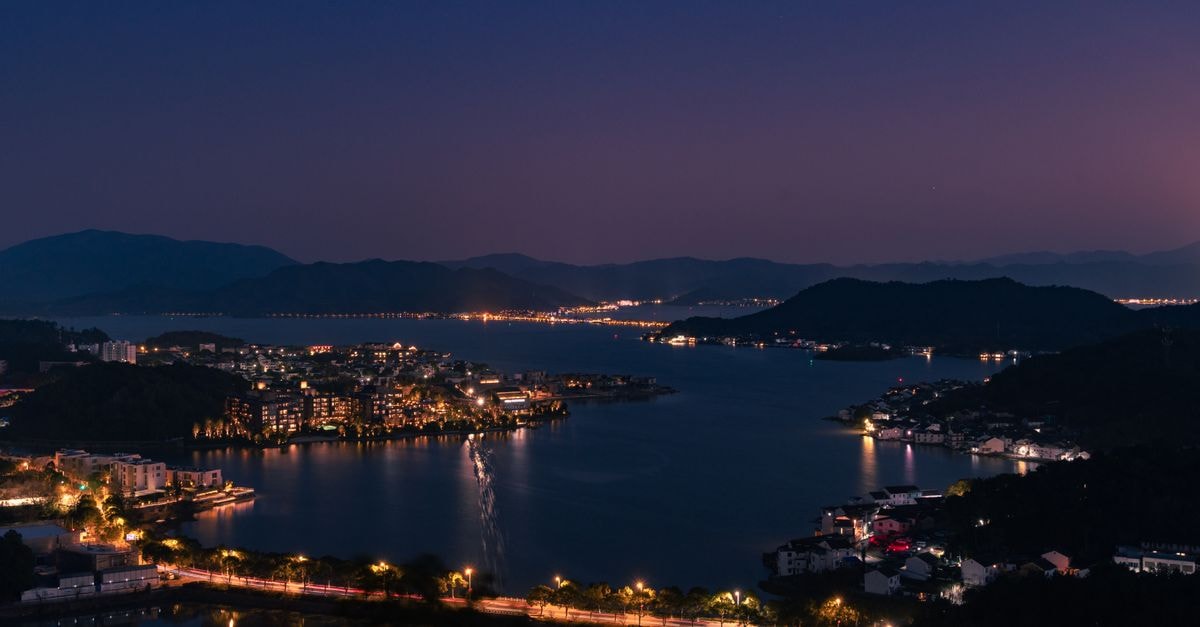
Fangchenggang's setting does most of the heavy lifting for sightseeing. The city sits on the Beibu Gulf, with Vietnam as its cross-border neighbor, so any visit naturally mixes sea views with a sense of regional crossroads. Walking the harbor edge, watching container ships move against a tropical sky, and catching the late afternoon light over the gulf all count as core experiences here, even without a ticketed attraction in sight.
For travelers who prefer a gentler day, plan around the waterfront rather than a checklist of museums. The combination of coastal geography and a borderland position is what gives the city its identity; most visitors find that lingering along the seafront, slowing down at a small pier, or simply watching the gulf change color through the day feels like the most rewarding use of time. Bring a light layer for breezy evenings by the water, and give yourself room to wander rather than racing between fixed stops.
If harbor views and easy walking are your priorities, this stretch of Guangxi may suit you well. Visitors who want dense urban sightseeing, big-ticket theme parks, or a packed museum circuit may prefer to pair Fangchenggang with a larger city rather than treating it as a standalone sightseeing capital.
Food and Local Context
Fangchenggang is best introduced through its kitchen. Local food writers point to a recognized high season for gourmet travel when waters are generous and surrounding farms are busy, so a visit timed to that window can showcase the kitchen at its peak. Even outside that window, the rhythm of the dining scene still leans toward freshness, seasonality, and the day's catch.
A useful piece of on-the-ground advice for seafood here: choose restaurants with clearly displayed prices, and where possible, select your seafood directly from an official market before handing it over to be cooked. This approach keeps the bill predictable and lets you see exactly what is going into the pan. It is the kind of small habit that turns a coastal lunch from a gamble into one of the best meals of a China trip.
Beyond the seafood counter, Fangchenggang sits inside a much wider Chinese food culture that prizes regional difference. China is broadly known for its eight major cuisines, each with its own flavor identity, balance of techniques, and signature ingredients. Travelers who arrive curious about how Guangxi's coastal cooking fits into that larger map tend to enjoy the city more, because every bowl of noodles or plate of stir-fried shellfish becomes a small lesson in regional style. Visitors may also notice the broader Chinese interest in food as balance and everyday enjoyment, where meals are meant to be savored slowly rather than rushed between sightseeing stops. Keep that slower pace in mind and you will taste more, literally and figuratively.
If you love cooking your own ingredients or learning how a dish is built before it reaches the table, the market-to-kitchen pattern here may appeal to you. Travelers who prefer set menus, fixed-price tasting rooms, or a fully hands-off dining experience may want to ask a hotel concierge to recommend a restaurant with a printed menu in advance.
Picking What Fits Your Trip
Fangchenggang is not a city that tries to be everything to everyone, and that is part of its charm. If your travel style leans toward coastlines, slow lunches, and a sense of being slightly off the standard route, the city will reward you with wide skies, fresh seafood, and a gentler pace. If your priority is a dense list of headline attractions or a high-energy urban break, treat Fangchenggang as a relaxing counterpoint within a longer Guangxi or southern China plan rather than the main event. Either way, give the food the attention it deserves; it is the easiest way to understand the place.
A Quick Note Before You Go
Coastal schedules, restaurant pricing displays, market hours, and border-area access can shift, so it is worth confirming key details through official tourism channels and your hotel before traveling. Treat this guide as a starting frame for your trip rather than a fixed checklist, and let the seafront pace set the rhythm once you arrive.
*Factual travel conditions can change. Please verify opening hours, pricing, and entry details through official sources before departure.*
Share this article
TOOLS FOR THIS PLAN
Make the Fangchenggang plan measurable
Choose a tool only when it answers the next question in your trip. Your values stay in the browser, and each tool offers a route back to this planning context.