A quieter Guangxi base

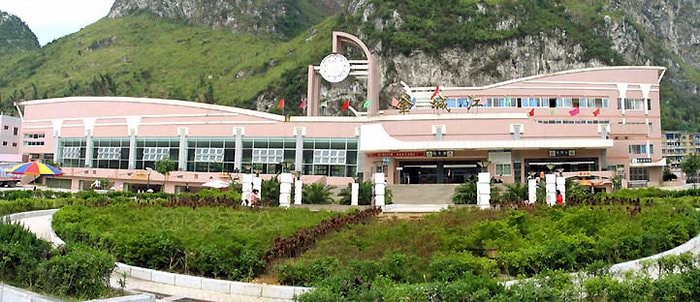
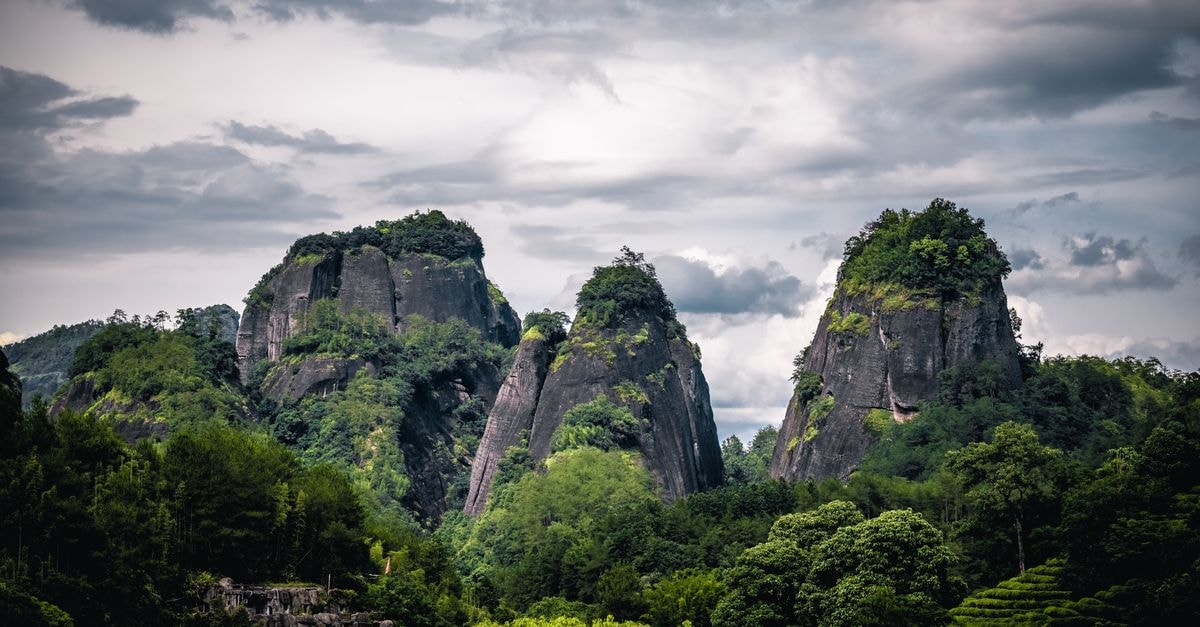
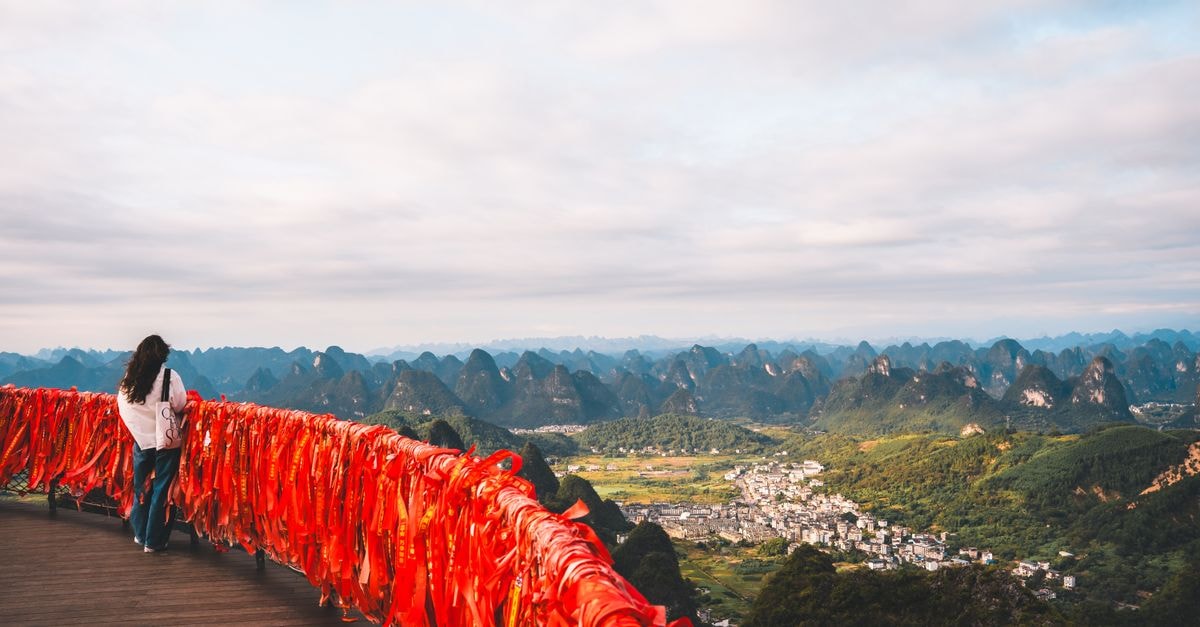
Hechi sits in the northwest of the region, a city of wide river valleys, layered karst peaks and small county towns where the pace of life stays unhurried. Most travelers arrive expecting the better-known Guilin scenery further east, and are pleasantly surprised to find that Hechi rewards the same kind of curiosity: looking up at limestone cliffs, lingering by a river, and eating well at modest local kitchens. The city itself works as a calm base for exploring some of Guangxi's most striking landscapes, with day-light journeys out into the surrounding counties forming the backbone of most visits.
What makes Hechi feel different from Guangxi's more heavily visited corners is space. Roads curve through long valleys, towns are compact, and the big-name sights tend to be geological rather than architectural: a cave system, a stretch of river, a village shaped by long lives. The rhythm suits travelers who like to wander, ask questions and sit with a cup of tea rather than rush between ticketed attractions.
Getting around
Hechi is served by one airport and is connected into Guangxi's wider rail and road network, so reaching the city is rarely the hard part. The city itself is straightforward to move through on foot or by short taxi rides, and the bigger decision is how to plan time in the surrounding counties.
County-level transport is worth thinking about early. Donglan, Du'an, Dahua and Tian'e are named among the areas with some of Hechi's most impressive landscapes, but they also require more travel time to reach than the city center itself. Travelers who want to combine a city stay with one or two of these areas should plan longer transfer windows and consider basing them in a single county rather than attempting a circular route. Within the city, shorter trips and central stays work well for visitors who prefer not to commute long distances every day.
For practical planning, it helps to confirm current airport transfers, train connections and hotel options closer to the trip, since schedules and services in Guangxi's secondary cities can shift. Having a rough plan for which county you want to spend time in, alongside your city nights, makes the whole trip feel calmer once you arrive.
Attractions and planning
Hechi's headline sights lean into the natural rather than the curated. Three place names tend to come up in any conversation about the area, and each one offers a different kind of experience.
**Baimao Cave** is a massive karst cave known for its geological formations. Karst caves in Guangxi are typically cool inside and visually layered, with chambers that open up unexpectedly as you walk deeper. Visitors who enjoy slow exploration, photography of natural textures, or simply stepping out of the daytime heat will find this kind of site rewarding. It is the sort of place that benefits from unhurried pacing rather than a quick walk-through.
The **Panyang River** is recognized for its mineral-rich waters. River scenery in this part of Guangxi tends to combine reflective stretches with karst silhouettes, and water-based stops work well as a contrast to cave visits. Travelers interested in landscape photography or a quiet hour by the water may want to plan a longer pause here than they initially expect.
**Changshou (Longevity) Village** offers something rarer than scenery: a chance to talk with local centenarians and learn from their routines. For visitors curious about regional culture, food traditions, or simply the texture of long lives in a rural Guangxi setting, a respectful visit to a village like this can be one of the more memorable parts of a Hechi trip. It rewards those who arrive with curiosity and patience rather than a checklist.
A practical note for planning: because county travel adds time, it often works well to pick two of these three experiences as primary anchors and leave the third for a return visit, rather than trying to fit everything into a short stay.
Food and local context
Hechi's food scene is approachable rather than performative. The city has night-market eating, where you can sit down to simple, well-made local dishes without ceremony. One widely recognized local dish worth looking for is **stuffed tofu**, typically served fried and drowning in sauce. It is exactly the kind of plate that rewards ordering at a stall rather than a restaurant: hot, savory, and best eaten straight from the pan.
Across Guangxi more broadly, rice noodles, river fish, preserved meats and tofu feature heavily in everyday meals, and visitors tend to encounter these flavors at modest family-style places as much as at formal restaurants. Hechi's surrounding counties also have their own local specialties shaped by the terrain, including heartier mountain-vegetable dishes and river-fish preparations worth asking about once you are out of the city center.
For travelers, the practical rhythm of eating in Hechi is simple: breakfast at a small local noodle shop, lunch wherever you happen to be exploring, and dinner at the night market. If stuffed tofu appears on a menu or a stall's signboard, it is a reasonable dish to order as a way of tasting the local style.
Choosing what fits your trip
A few supported tradeoffs can shape how Hechi feels on the ground. If your interest is primarily geological scenery and you enjoy spending time in caves and by rivers, anchoring the trip around Baimao Cave and the Panyang River, with the city as a base, tends to work smoothly. If you are drawn to cultural encounters and quiet rural atmosphere, spending nights closer to Changshou (Longevity) Village and treating the city as an arrival and departure point may suit you better. Travelers who want both should accept that county travel adds hours each way and plan fewer transfers, choosing one county as a slow base rather than racing between two. In every case, comfortable shoes, a flexible schedule, and a willingness to ask locals what they are eating tend to make a Hechi trip more rewarding than a tightly packed plan.
A note before you go
Hechi rewards travelers who arrive with time and a loose plan rather than a fixed schedule. Roads in the surrounding counties can take longer than expected, county-level services shift, and local opening hours for smaller attractions are best confirmed shortly before your visit. Treat the suggestions above as a starting framework, check current transport and accommodation options through official channels before departure, and leave room for the unexpected conversations and detours that often turn into the best memories of a Guangxi trip.
Share this article
TOOLS FOR THIS PLAN
Make the Hechi plan measurable
Choose a tool only when it answers the next question in your trip. Your values stay in the browser, and each tool offers a route back to this planning context.