A slow-brewing city on the Liu River

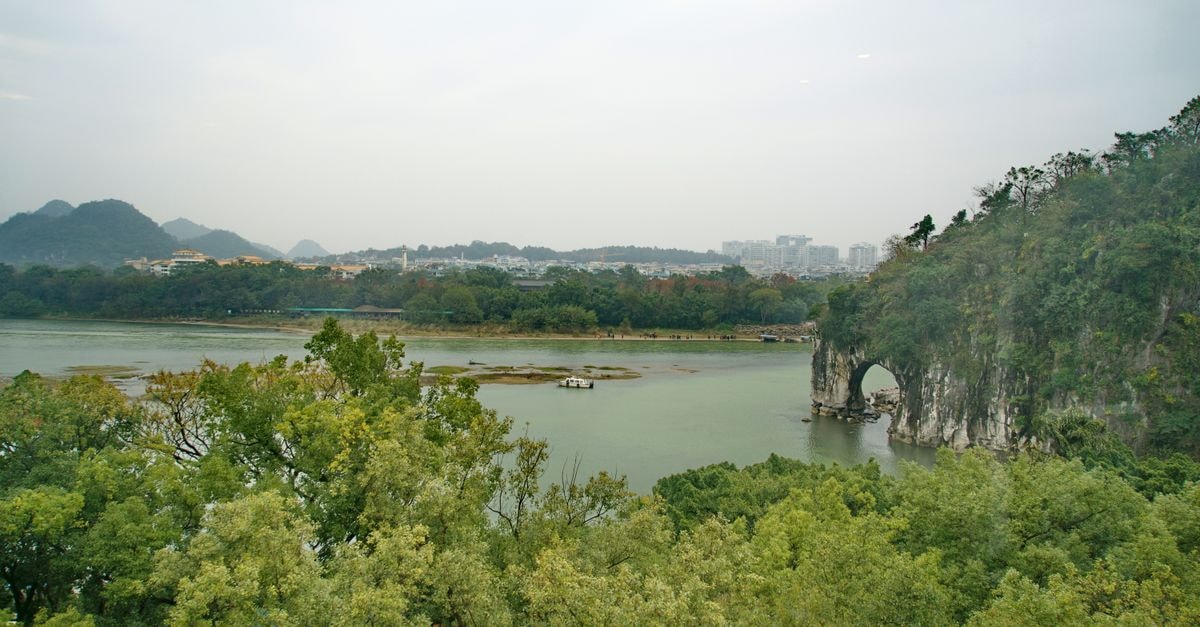
Liuzhou sits in the middle of Guangxi, wrapped around the bends of the Liu River, and it has the unhurried feel of a place that has learned to live at its own pace. It is not the loudest stop on a China itinerary, and that is exactly the appeal. The skyline stays low, the river keeps threading through the center, and the karst hills rise gently in the distance rather than dramatically overhead. For travelers who enjoy cities with breathing room, river walks, and a strong local food identity, Liuzhou rewards a longer look than it usually gets.
The practical side of a visit here is straightforward: a few clear attractions, a flat riverside path that makes self-guided wandering easy, and a culinary scene that ties the whole trip together. The notes below stick to what is supported and useful, without turning into a checklist of things you have to do.
Weather and seasonal context
Liuzhou's climate is shaped by its position in subtropical Guangxi, and humidity is a recurring theme in the way the city feels across the year. Long-term climate summaries describe spring as a comfortable season for exploring, while also flagging that February to April often brings humid weather, and they list a monthly urban temperature range alongside a cooler northern mountain reading. That kind of layered pattern is worth keeping in mind: the river valley tends to read warmer and damper than the hills that ring it, so layering light pieces and planning flexible afternoons tends to serve visitors well.
Because the city sits among karst hills and along a wide river, the air can feel thicker on still days and clearer after a breeze picks up. Pacing the day around the weather, rather than fighting it, is part of the rhythm here. Mornings are often the most comfortable window for being out on foot, with a slower midday break when the humidity rises.
Getting around
Liuzhou is the kind of city where you do not need an aggressive plan. One route in particular tends to anchor a stay for visitors who like to move at walking or cycling pace: the Liujiang Riverside Greenway. It runs along the river, offers river scenery and flowers, and is described as a flat road suitable for leisure cycling, which makes it approachable for travelers who just want a few easy hours on a bike rather than a serious ride.
The greenway doubles as a meeting point with the rest of the city. It connects to areas where visitors naturally end up walking between attractions, and it gives a sense of orientation that is hard to get from a map alone. For travelers who prefer a slower way to read a place, building an afternoon around the greenway, with stops for snacks and photos, tends to work better than trying to cross the city between distant points.
Attractions and planning
Liuzhou has a couple of anchoring sights that tell different sides of its story, and pairing them with the river gives a balanced day.
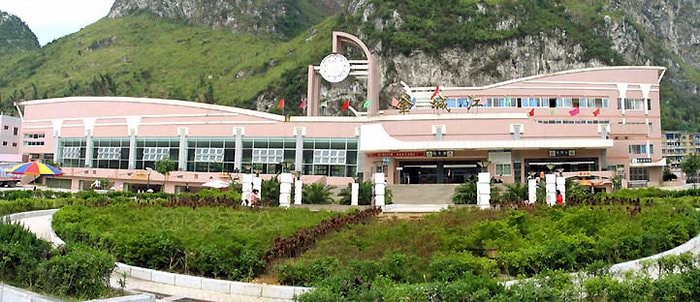
The Liuzhou Industrial Museum showcases Liuzhou's role in China's industrial development, which is a less expected angle for a city better known abroad for its food. It gives the visit a sense of place: the same valley that produces a famously humble bowl of noodles also has a serious manufacturing backbone. For travelers who enjoy the kind of museum that explains how a city actually works, rather than just displaying objects behind glass, this is a worthwhile stop.
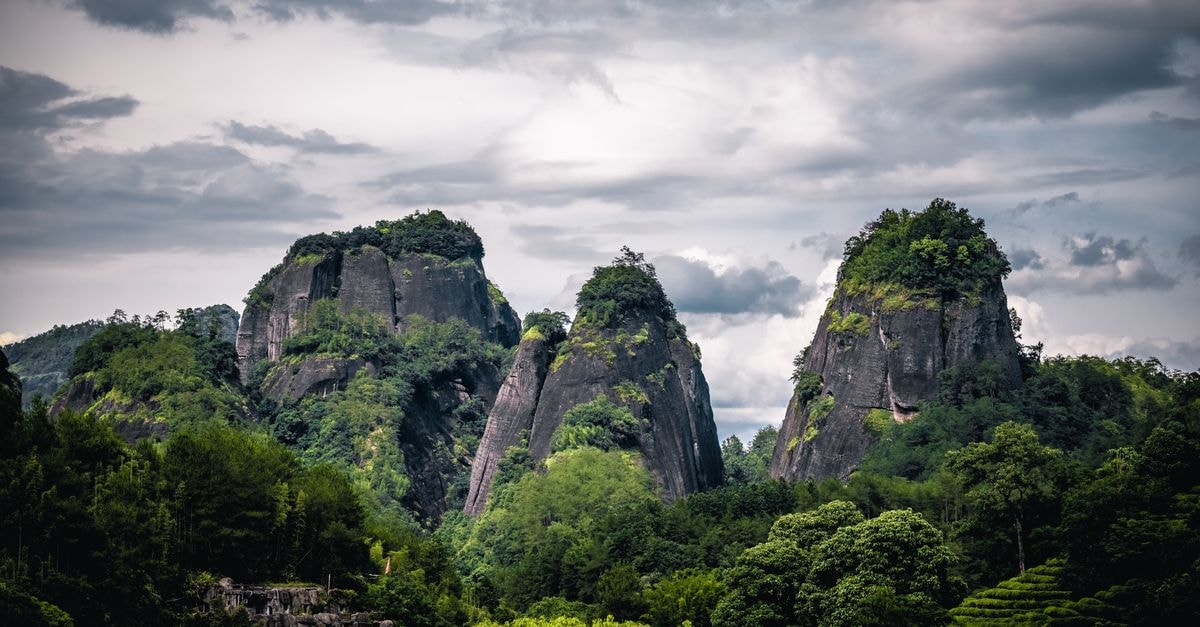
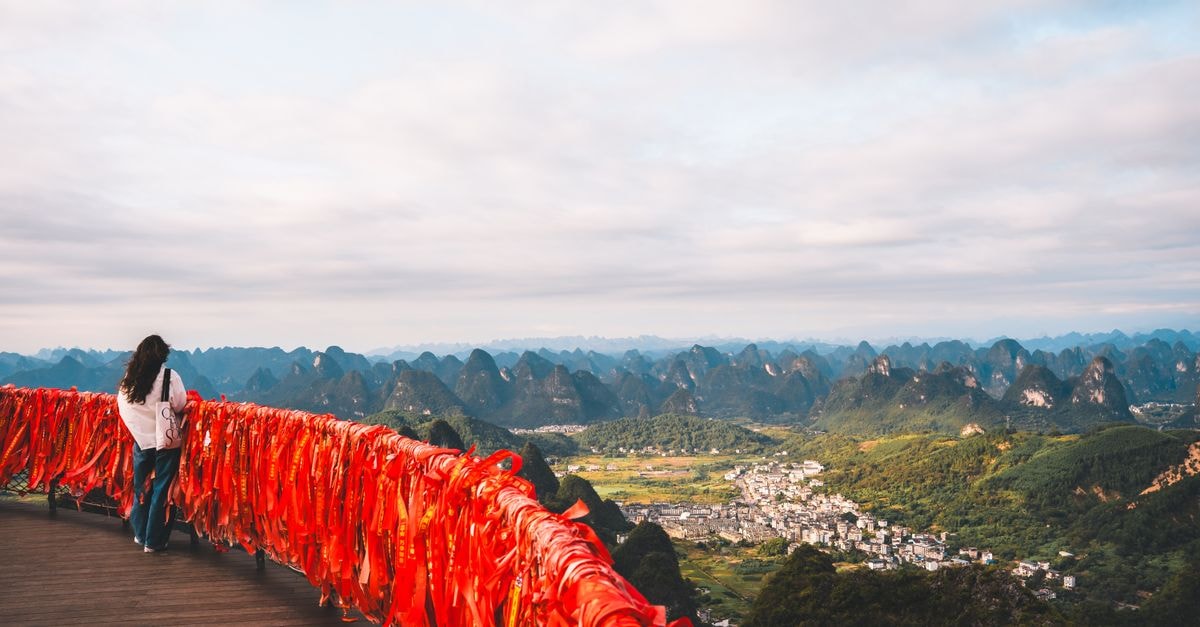
For natural scenery, parks around the karst landscape are framed as a perfect introduction to Liuzhou's natural beauty. They work well as a complement to the industrial museum: one explains how the city earns its living, the other explains why so many visitors end up staring at the horizon here.
On the accommodation side, the Ramada Plaza Liuzhou Liudong is listed as a comfortable option with good access to major attractions, which makes it a sensible base if you want to minimize transit time and spend more hours on the river path and in the parks. As with any hotel pick, it is worth checking current availability and rates directly before booking, since conditions and promotions change.
A practical way to think about a Liuzhou stay is in layers rather than a strict timetable: a museum morning, a park afternoon, and a long greenway wander stitched between them. That structure leaves room for the weather, for an unplanned snack stop, and for the kind of slow afternoon the city invites.
Food and local context
Food is the thread that ties a Liuzhou trip together. The dish most visitors hear about before they arrive is luosifen, the pungent rice-noodle soup that has become a cultural signature of the region. It is described as more than just a dish, representing the distinctive culinary culture of Guangxi, which is a useful way to think about it at the table: it is not simply a meal, it is a local identity served in a bowl.
In wider Chinese food culture, noodle soups built around broth, aromatics, and region-specific condiments are a familiar pattern, and visitors who already enjoy that style of eating will find Liuzhou a natural fit. What makes the local version stand out is the intensity of its flavor profile: it tends to be assertive, aromatic, and unmistakable. Travelers who are curious but cautious often do well by starting with a smaller portion and a side of local guidance on how to mix in the accompaniments.
Because the food identity is so strong, it is worth leaving room in the itinerary for unplanned eating. Some of the most memorable moments in Liuzhou come from small stops between sights rather than a planned sit-down meal, and the riverside path tends to be a productive area to wander when hunger strikes.
A few practical notes before you go
Liuzhou rewards travelers who arrive with a flexible plan and a willingness to slow down. The combination of a flat riverside greenway, a museum that gives the city context, nearby parks that frame the karst landscape, and a deeply local food scene covers most of what a first-time visitor actually needs. Building days in layers, rather than chaining attractions into a strict timetable, tends to match the city's own tempo.
As with any destination, current conditions can change. It is worth checking official channels for the latest on transport, museum opening arrangements, and hotel availability before departure, so that the plan on paper matches the city on the ground.
**Verification note:** Factual travel conditions can change; please confirm weather, transport, attraction hours, and accommodation availability through official sources before your trip.
Share this article
TOOLS FOR THIS PLAN
Make the Liuzhou plan measurable
Choose a tool only when it answers the next question in your trip. Your values stay in the browser, and each tool offers a route back to this planning context.