A Quiet Welcome to Magic Island

Florianópolis drifts into a visitor's imagination long before the first beach appears. Locals still call the city "Ilha da Magia," the Magic Island, a nickname that has followed it for centuries and that hints at something softer than the usual Brazilian coastline pitch. Rather than arriving with a checklist of postcard beaches, you arrive into a place that asks to be felt as much as seen.
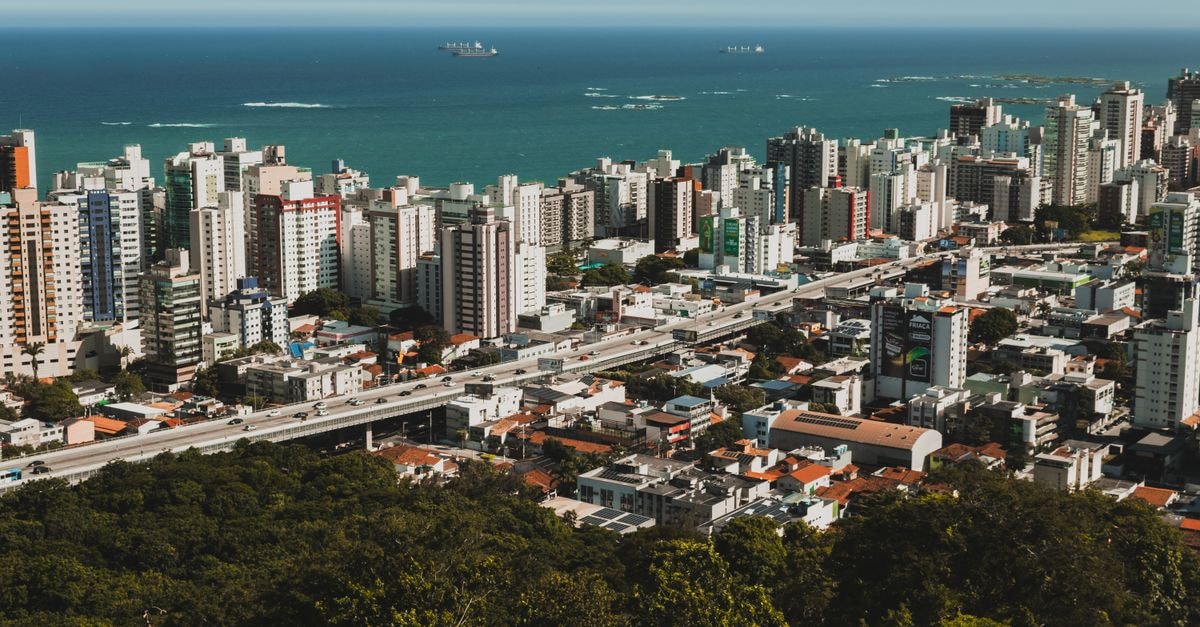
The capital of Santa Catarina state sits on an island, Ilha de Santa Catarina, tethered to the mainland by two bridges, and stretches for less than 55 kilometers of coastline with 42 distinct beaches along that arc. That density of shoreline, packed into such a short span, is part of what gives the city its quiet layered feeling, and it sets the pace for a visit built around curiosity rather than distance.
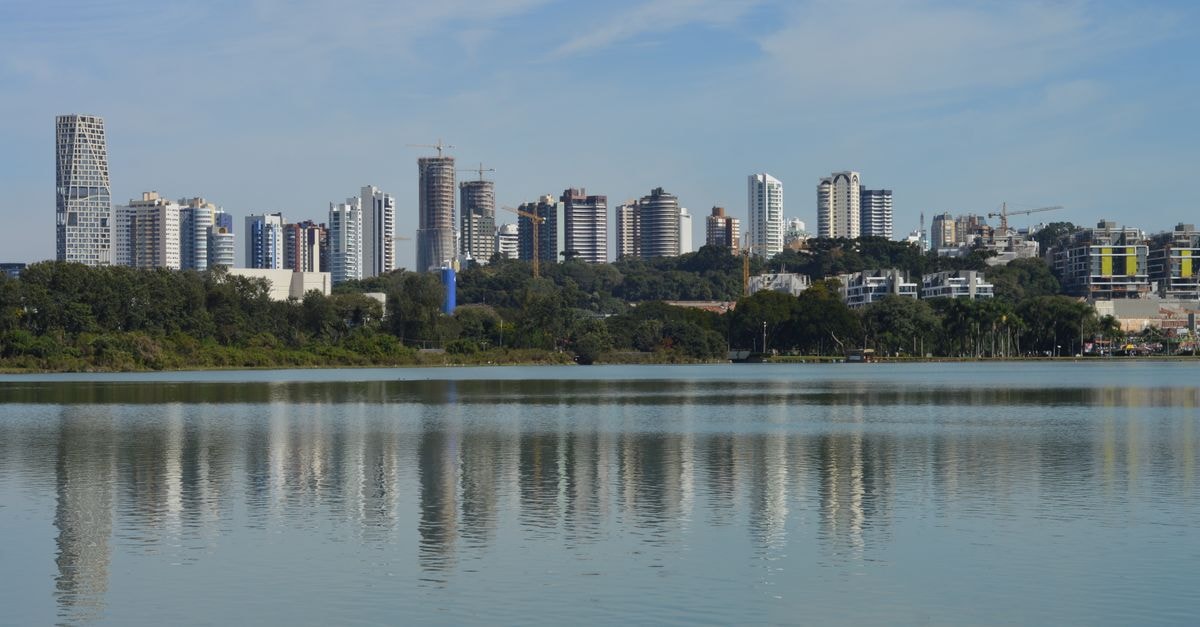
The appeal here is layered in a way that is easy to miss from a hotel balcony. Oyster farms tucked into mangroves line the southern coast, lagoons sit ringed by sand dunes where kite surfers trace arcs against the open sky, and a historic Portuguese colonial core still carries the scent of salt air and old stone. None of these elements announce themselves; they reveal themselves over a slow first afternoon, which is when the light tends to turn the Lagoa da Conceição into something that looks like hammered copper before the surrounding hills slip into deep shadow within minutes.
Weather and Seasonal Context
Without a temperature table to anchor to, the wiser approach is to read the city's climate through its nicknames and the energy it tends to give off. Being called "Brazil's coolest beach city" is less about averages and more about the mood, the way the coastline can breathe, the way the bridges linking the island to the mainland create a sense of being slightly set apart from the hotter, denser mainland.
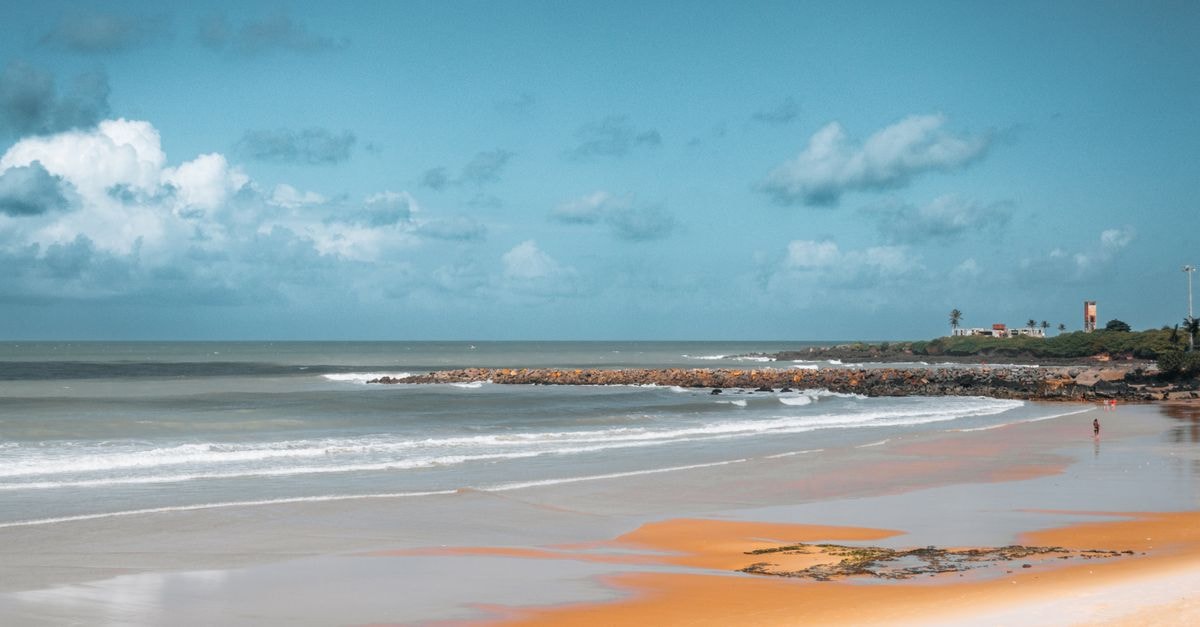
Because the island compresses 42 beaches into less than 55 kilometers, any visit tends to read as a sequence of microclimates. One side of the island may catch morning sun while the other side still feels the night; open surf beaches feel different from the sheltered lagoons; and the breezes off the bridge crossings are a constant reminder that the ocean is doing most of the work in shaping how the city feels hour by hour.
For practical advice, plan wardrobe and day flow around movement between sun and breeze rather than around a single outdoor forecast, since both are part of what gives the island its particular rhythm.
Attractions and Planning
Planning a visit to Florianópolis is less about a strict route and more about choosing a mood for each half of the day. The southern coast invites a slower pace: oyster farms are set into mangroves, a side of the island that rewards visitors willing to taste, look, and linger rather than tick off a list. Standing at the edge of a mangrove farm, surrounded by shallow still water, makes the city feel more like a working archipelago than a summer resort.
Further inland, lagoons ringed by sand dunes offer a different tempo. Watching kite surfers trace arcs against the sky is one of the most natural ways to feel the island's geography in motion, the way wind and water combine to draw shapes in the air. This kind of scene is best enjoyed with time, so pairing it with a low-effort meal nearby keeps the half-day feeling unhurried.
The historic Portuguese colonial core deserves its own late afternoon, ideally before the hour when the light begins to change. The salt-and-stone atmosphere of the old center sets up the evening shift nicely, especially if you end up near water as the sky shifts. Then, as the afternoon lengthens, Lagoa da Conceição can become the quiet finale of the day, with its copper-toned reflections and shadowy hills acting as a kind of slow punctuation mark.
For pacing, anchor each day to one dominant coastal feature instead of trying to mirror the entire 42-beach stretch. The island rewards depth more than coverage.
Food in Florianópolis
Florianópolis sits inside a much larger Brazilian food world, and the best way to approach the local table is to think of the city as one small window onto a wider Brazilian culture rather than as the sole source of a city's special menu.
Across Brazil, food shapes the social calendar in ways visitors tend to notice quickly. Meals often stretch into long conversations, and dishes carry regional signatures that are worth recognizing. The broader country context offers a useful frame for what you will encounter in Florianópolis, where seafood often takes a leading role thanks to the surrounding water.
Brazilian food culture also places strong emphasis on shared plates, casual service styles, and a relaxed approach to timing that can feel surprising to visitors used to tightly scheduled restaurant seating. Walk-in meals are common, markets and smaller eateries blur the line between quick stop and slow lunch, and the idea that good food and good conversation take precedence over efficiency is part of the everyday rhythm.
If you want to read the local food scene through that wider Brazil context, pay attention to the ways different regions shape everyday menus across the country, from street food to homestyle cooking, and let that frame help you approach Florianópolis with more curiosity and less expectation about what a "must-eat" list looks like in any given neighborhood.
A Slower Way to Move Through the Island
The most honest advice for Florianópolis is to give up the idea of conquest. Forty-two beaches inside a 55-kilometer span means the island will always beat a traveler trying to cover everything, and the magic in the nickname tends to appear when visitors accept that.
Lean into the layered geography: let oyster farms introduce you to the south, let the lagoons and dunes carry the midday, save the colonial core for a wind-down walk, and end a day on the water where the light does its copper-shifting trick. This kind of rhythm makes the island feel like a single unfolding landscape rather than a fragmented list of stops.
Because the climate rewards movement between micro-spaces, pack for shifting layers rather than a single temperature, and let the bridges, lagoons, and coastal roads do the pacing for you. The result is a visit that feels like staying a few days on a small island even if you only have time to wander through its central arc.
A Note Before You Go
Travel conditions around the world can change quickly, and the details behind any visit should always be checked against official channels before departure. Timetables, services, weather patterns, and local regulations shift outside of what any guide can capture in a single read, so use this overview as a starting point and confirm what matters most for your own dates and routes.
Rates, prices, and operational details for things like local transport, ferry connections, beaches, restaurants, and protected natural areas are best verified close to your trip, and small changes in timing or access can make a meaningful difference to a day spent moving between coastlines and lagoon edges.
Share this article
TOOLS FOR THIS PLAN
Make the Florianópolis plan measurable
Choose a tool only when it answers the next question in your trip. Your values stay in the browser, and each tool offers a route back to this planning context.