A grounded first look at Jundiaí

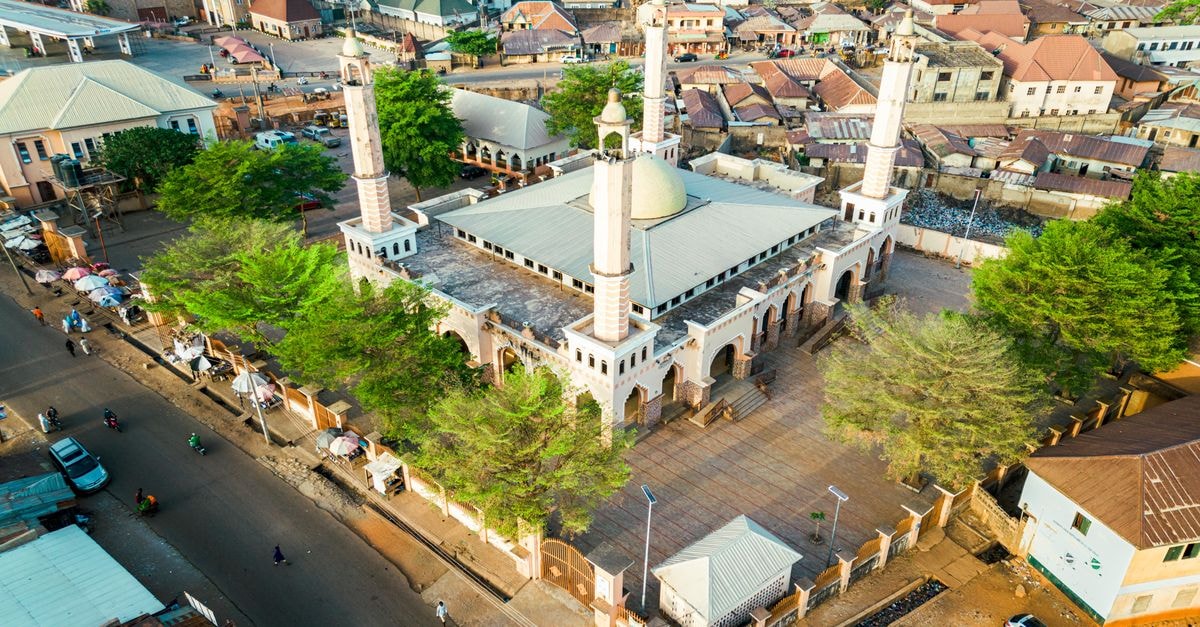
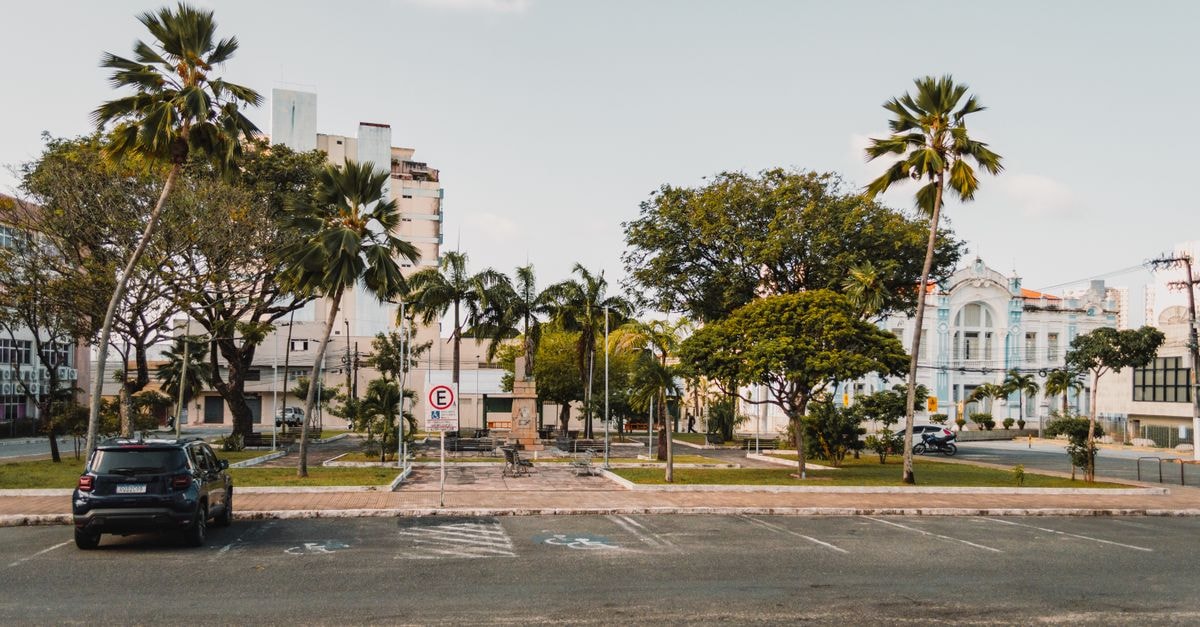
Tucked into the interior of São Paulo state, Jundiaí has a relaxed, working-city rhythm that makes it a useful pause for travellers exploring beyond Brazil's biggest metropolis. It sits within the broader São Paulo metropolitan orbit, which means it shares some of the infrastructure and connectivity of a major region without the constant density of the capital itself. For visitors passing through or planning a short stay, the appeal is practical: it's a city where daily life is straightforward to navigate, and where Brazilian hospitality tends to surface in everyday encounters rather than in staged tourist moments.
What makes Jundiaí interesting from a traveller's perspective is precisely that mix of accessibility and quietness. You arrive, you settle in, and the city reveals itself through its stations, its bus terminals, and the everyday rituals of Brazilian food culture. This guide keeps things grounded in what you can actually plan around: how the climate feels across the year, how to move through the city using its two most useful transport anchors, and what wider Brazilian food traditions you're likely to encounter during your stay.
Weather and seasonal context
Jundiaí sits in a region where the climate shifts gently between a warmer, wetter stretch and a cooler, drier one, rather than swinging through dramatic extremes. Looking at weather information by month is a helpful starting point because the city doesn't have one single "best" season in the way coastal destinations sometimes do. Temperature, rainfall, and sunshine all change gradually across the calendar, and what feels ideal depends on whether you prefer warm afternoons, mild evenings, or drier walking days.
Because rainfall and sunshine patterns shift through the year, a useful habit is to check the month-by-month averages before locking in dates. Treat those averages as a planning reference rather than a guarantee: they describe what conditions typically feel like, not what a specific week will deliver. If you're the kind of traveller who likes to pace the day around the weather — outdoor walking in cooler hours, slower midday breaks when it's warmer — that monthly overview gives you a reasonable starting framework.
For visitors, the practical takeaway is simple: think in seasons rather than fixed dates, pack for warmth and the possibility of rain, and let the monthly averages guide your daily rhythm. There's no need to overthink it; the climate is one of the easier parts of planning a Jundiaí trip.
Getting around
Two transport anchors do most of the practical work for visitors in Jundiaí, and once you understand them, the city feels much easier to navigate.
The first is the commuter rail. Jundiaí is connected directly to São Paulo's metropolitan railway network via CPTM Line 7-Rubi. For travellers arriving from the wider metropolitan region, or planning a day move into São Paulo and back, this is the spine of the journey. It runs on a fixed timetable, integrates with the rest of the metropolitan rail system, and removes the need to think about traffic on the main corridors. If you're arriving by train or planning to use rail as part of your route, Line 7-Rubi is the line to familiarise yourself with first.
The second anchor is the urban bus network, which is organised around the Terminal Central de Jundiaí. The terminal acts as the main hub for urban bus services, and its role is to make transfers straightforward. If you're moving between neighbourhoods, heading to areas not covered by the rail line, or simply need a flexible way to reach specific parts of the city, the terminal is where routes converge. Because it's a hub rather than a single stop, it works best when you treat it as a starting point: arrive there, read the route boards, and choose your next connection from one place rather than chasing buses across the city.
For most visitors, the practical pattern is rail for longer metropolitan moves and the bus terminal for anything more local. Taxis and ride-hailing services are part of the wider Brazilian transport mix, but the rail-bus combination covers the structural needs of a short stay without requiring a car.
Food and local context
Jundiaí sits inside a much wider Brazilian food culture, and understanding that wider context makes everyday meals feel more legible. Across Brazil, national cuisine is shaped by regional variety, generous portions, and a strong relationship between street food and sit-down dining, and these wider national patterns may surface in everyday encounters while visiting the city.
Across Brazil, food tends to be a social anchor as much as a sustenance ritual. Meals are often long, unhurried affairs within the wider national dining culture, and restaurants in that national context typically expect diners to settle in rather than rush. This pacing carries over into street food culture, where snacks and small plates are eaten standing, leaning against a counter, or from a paper wrapper, without anyone treating the informality as unusual. The contrast between a leisurely lunch and a quick mid-afternoon snack is part of everyday Brazilian eating in the wider national setting, and it tends to show up naturally during a stay.
Etiquette around food in Brazil is warm but easy to navigate within the wider national culture. Waiters are usually attentive without being formal, and tipping practices are part of the standard dining experience rather than a complication. In casual settings, sharing dishes is common, and refusing a second helping of something can feel almost as notable as accepting one. For visitors, the lightest possible approach is to follow the rhythm you see around you: eat when others eat, linger when the table lingers, and don't be surprised when a simple meal turns into a longer conversation.
A note for travellers
Travel conditions — including transport timetables, weather patterns, and the practical details of any city visit — can shift over time. Treat the framing in this guide as a durable starting point, and confirm specific details through official channels before you travel or make bookings. For transport, the CPTM Line 7-Rubi schedule and Terminal Central de Jundiaí bus information are the two reference points worth checking directly. For weather, monthly averages are useful planning context but not a substitute for a closer look at the dates you're actually travelling.
Share this article
TOOLS FOR THIS PLAN
Make the Jundiaí plan measurable
Choose a tool only when it answers the next question in your trip. Your values stay in the browser, and each tool offers a route back to this planning context.