A short, green escape from the capital

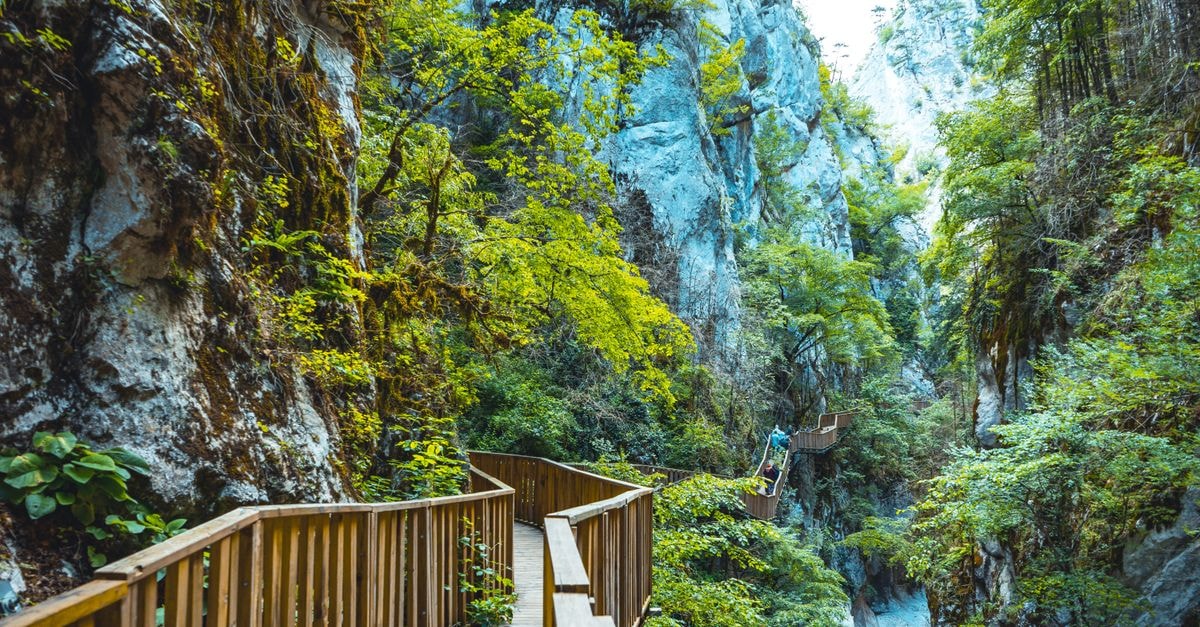
Tucked into the rolling hills of Gyeonggi-do, Gapyeong has a quieter rhythm than Seoul, even though it sits well within a day-trip's reach of the capital. Travelers tend to come here for the breathing room: forested gardens, river islands, and a slower pace of moving between places. It is the kind of destination where the itinerary often involves less rushing and more sitting on a bench, watching the light shift over the trees.
This guide keeps things practical. It draws only on the facts that have passed our editorial gate, so where a detail would normally require a price, a timetable, or a live condition, it is left out. The goal is a durable, evergreen picture of Gapyeong that you can use any time of year, with the understanding that local conditions can shift.
Weather and seasonal context
Gapyeong sits inland among mountains, and its weather tends to follow the broader feel of central Korea's countryside. The approved guidance for this guide does not include specific temperatures or monthly averages, so rather than invent numbers, it helps to think of Gapyeong as a place where layering is sensible: cool mornings, warmer afternoons, and the occasional rainy stretch that can make garden paths slick and forest trails muddy. Travelers who pace their outdoor time for the middle of the day, and keep a flexible backup plan for heavier rain, usually get the best out of a visit.
If you want to plan around a specific month, the most reliable approach is to check a current weather source closer to your trip. Local forecasts, park notices, and the official sites for the gardens and islands below will tell you what to expect in the days before you travel.
Getting around
Most visitors arrive in Gapyeong from Seoul, and the city is set up for that kind of short, easy visit. The approved guidance simply confirms that train travel between Seoul and Gapyeong is a recognized route, and that getting around Gapyeong itself involves the usual mix of options a small Korean city offers. Beyond that, the practical picture is straightforward: many of the headline places to visit are clustered close enough together that local buses, taxis, and short rides handle the gaps.
The wider transport picture for this part of South Korea includes airport transfers, intercity trains, intercity buses, and local buses. For a traveler coming straight from Incheon or Gimpo, the usual pattern is rail toward the capital and then onward to Gapyeong, though the exact mix depends on your arrival time and luggage. Within Gapyeong, the most common way to move between attractions is a combination of local bus, taxi, and on-foot walking where paths connect. If you are planning to hop between several sights in one day, it is worth thinking about the order of visits in advance so that the routing flows naturally rather than doubling back.
Because we do not have firm schedules, fares, or stop-by-stop routes in the approved set, treat any specific timetable you see elsewhere as something to verify with an official transport source before relying on it.
Attractions and planning
Among the places that consistently draw visitors, the Garden of the Morning Calm is one of the most recognized. Its address is 60 Jaraseom-ro, Gapyeong-gun, Gyeonggi-do (경기도 가평군 가평읍 자라섬로 60). The garden sits among the broader landscape that makes this part of Gyeonggi-do popular with travelers looking for nature close to Seoul, and it is one of the headline stops on most Gapyeong plans.
When planning a day around any outdoor attraction in Gapyeong, a few evergreen habits help. Arrive earlier in the day when paths are quieter and the light is softer. Wear shoes that can handle uneven ground, especially after rain. Bring water, because the distances between shaded rest points can feel longer than they look on a map. And build in at least one slow stop, a bench, a café, a viewpoint, so the day is not just a list of checkpoints.
The approved set for this guide does not include live opening hours, ticket prices, or reservation rules, so check the official channels before you go. Crowd levels, seasonal closures, and timed-entry systems change, and the only way to know what applies on the day you visit is to look at the venue's own current information.
Food and local context
Gapyeong is known as much for what is on the table as for what is outside the window. The local food scene is shaped in part by travelers passing through, and in part by long-time residents of Gyeonggi-do who have cooked the same flavors for years. The approved guidance frames the local food as something worth slowing down for: dishes that reflect the area's ingredients and the way people here eat day to day.
If you want to read more about specific dishes or recommended spots in Gapyeong, the Korea Trip Guide and other food-focused pages cover must-try traditional Korean dishes in and around the city. Treat those recommendations as starting points rather than guarantees, since menus and hours can shift with the seasons and with the owner.
It is also worth keeping a small amount of wider South Korea context in mind, because visitors to Gapyeong will move through the same food culture that shapes the country. Korean meals commonly center on rice, soup, banchan (the small shared side dishes that arrive with the meal), and a main protein, and meals are usually eaten with a spoon and chopsticks rather than a fork. Street food culture, including the markets you may pass through on the way to the islands and gardens, is part of that wider picture. Markets near ferry wharves and farm entrances in the broader region are a typical way to encounter Korean street food, though specific stalls and their offerings vary from season to season.
If you have dietary restrictions or allergies, the most reliable move is to ask directly. Korean kitchens are usually happy to clarify, and pointing at the dish you mean is often the simplest way to communicate what you cannot eat. Cash and card are both common in restaurants and markets, but for the smallest street stalls, having a little cash on hand is still the easiest option.
A note on planning responsibly
A few details we would normally include, such as a fixed daily budget, hotel suggestions, exact train times, and day-by-day plans that pair attractions into one route, are not part of the approved set for this guide. Rather than guess at those numbers or build an itinerary that may not reflect how the city works on a given day, the safer approach is to use this guide as a frame, then verify the specifics with official sources and current listings before you travel.
Rates for any currency exchange should be treated as a reference only; live rates move, and your bank or card provider will give you the figure that actually applies to your transaction. Factual travel conditions can change from one season to the next, and even from one week to the next, so checking official channels shortly before departure is always worth the few minutes it takes.
Share this article
TOOLS FOR THIS PLAN
Make the Gapyeong plan measurable
Choose a tool only when it answers the next question in your trip. Your values stay in the browser, and each tool offers a route back to this planning context.