A coastal city between mountains and sea

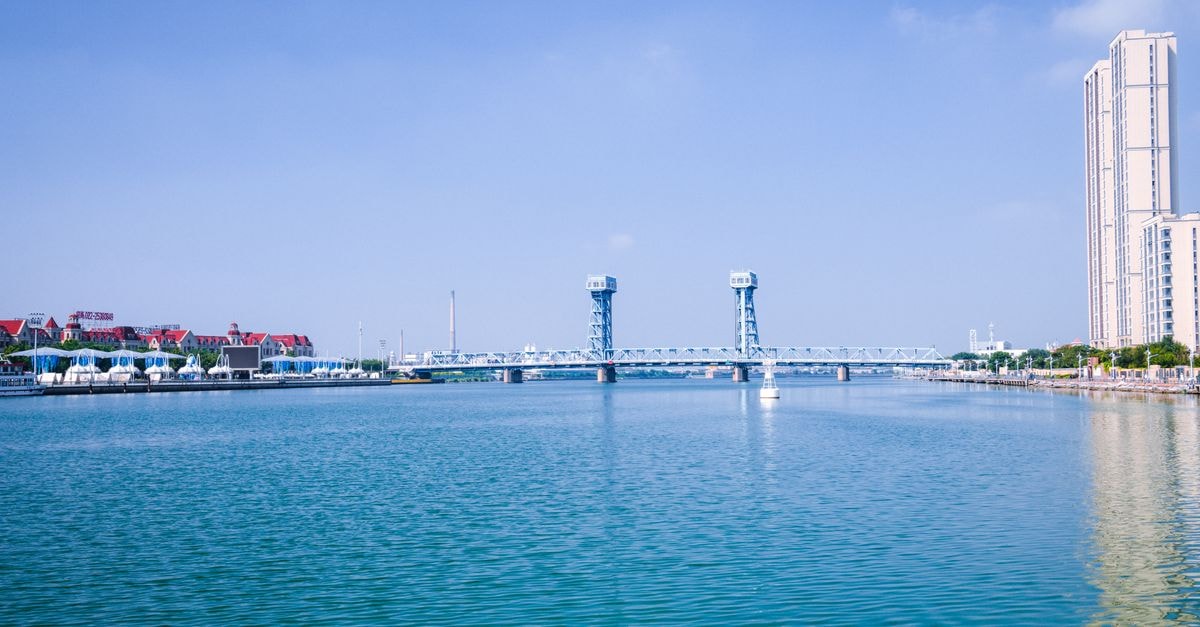
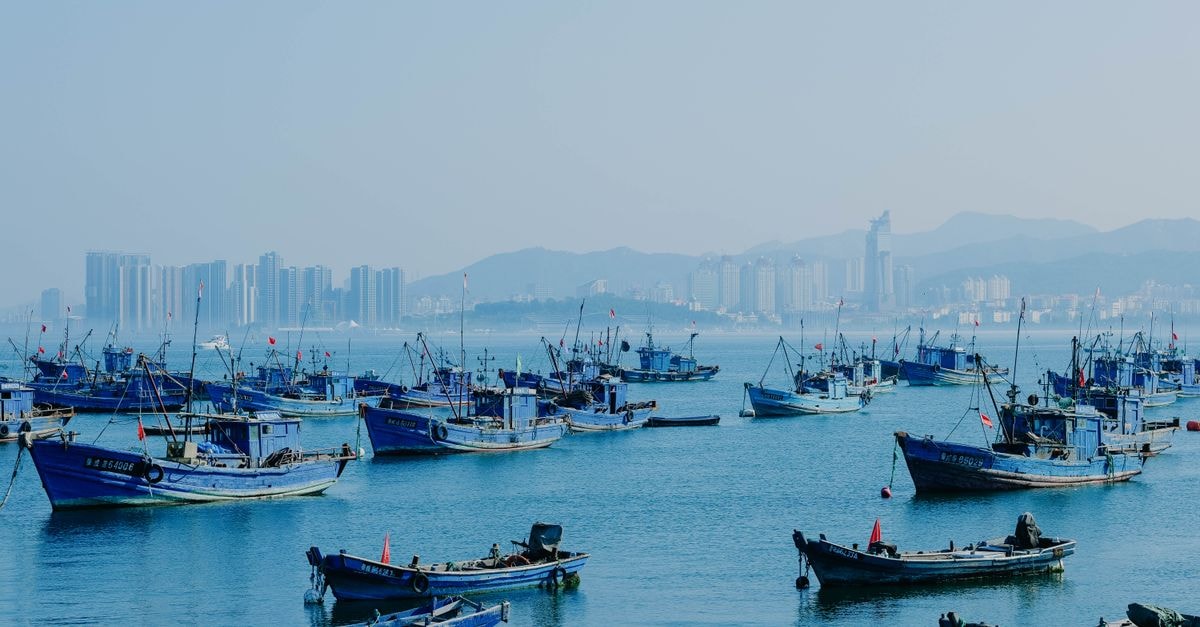
Yantai sits on the northern coast of Shandong province, where the land curls into the sea and the skyline is shaped as much by water as by buildings. Travelers tend to arrive expecting a beach holiday and quickly discover something gentler: a working port city that also happens to be surrounded by hills, headlands, and a long stretch of coastline. The phrase that keeps coming up in local writing is that the city is "nestled between mountains and the sea," and that image does most of the work in explaining why visitors find Yantai calm rather than crowded. The sea breeze, the quiet headlands, and the easy distances between sights give the city a slow, seaside rhythm that rewards travelers who like to wander rather than rush.
If you are planning a trip and want a short, practical orientation, this guide focuses on what the city actually offers: where to start on the coast, how to move around using the city's scenic bus routes, and the wider food culture you are likely to encounter while you are here.
Weather and seasonal context
Yantai's coastal setting shapes its climate in a way that visitors feel as soon as they step outside. Because the city is tucked between mountains and the Yellow Sea, conditions tend to feel softer and more humid than inland Shandong, with cooler evenings carried in on the sea breeze. The same geography also makes the city a major production area for Chinese wine, thanks to the mild coastal air and the slopes that face the water. Travelers used to drier northern climates often notice how gentle the air can feel, especially when walking along the shoreline or climbing one of the coastal hills.
Pace your day with the breeze in mind: aim for slow mornings by the water, a shaded break inland during the warmest hours, and an evening walk along the coast when the air cools again. Because specific temperatures and current conditions vary, it is always worth checking a live forecast close to your travel dates before packing.
Getting around
Yantai is the kind of city where public transport does some of the sightseeing for you, and a few routes are worth treating as attractions in their own right.
- **Yantai Mountain Scenic Spot** is located at the northern tip of Yantai, making it a natural first landmark when you are orienting yourself. From here, much of the rest of the coast unfolds southward in a long, easy arc. - For travelers interested in local legend as well as scenery, the new "Eight Immortals" themed bus route links 16 key scenic spots across the city, weaving the classic tale into a single ride.
These routes make it easy to combine short rides with walking, especially if you stick to the coast. Because timetables and stop details can change, confirm the latest route information at a local station or through an official transport channel before you set out.
Attractions and planning
The coast is the main event, and most travelers build their days around it. Headlands, sandy stretches, and elevated lookouts define the experience, and the mood tends to be relaxed rather than high-energy. One piece of local color sums up the feeling well: visitors often speak of "the scenery, the breeze and the smell of the sea," and that combination is essentially what a Yantai trip is about.
A simple approach is to pick one coastal anchor per day and let the bus network fill in the gaps. Start with Yantai Mountain to get your bearings, then use the scenic bus routes to reach other shoreline viewpoints. Leave room for unhurried walks and for simply sitting on a bench with a view of the water. Because specific opening hours and ticket details can change, check current information with the official site or a local tourism office before visiting.
Food and local context
Yantai sits within a country whose food culture runs deep, and understanding a little of that wider context makes mealtimes more enjoyable. In China, eating is treated as far more than refueling: it is a daily ritual shaped by long history, regional variety, and a strong sense of etiquette at the table. Visitors to Yantai will step into that culture naturally, whether they are sitting down to a simple meal or joining a longer gathering.
A few wider notes about Chinese dining culture can help travelers feel at ease:
- Meals are often shared, with several dishes placed in the center for everyone to enjoy together. - Dining etiquette has developed over centuries, so small courtesies — letting older guests begin, offering dishes to others before serving yourself, and being mindful of chopstick etiquette — go a long way.
Because menus, prices, and restaurant recommendations change often, ask locally for current suggestions rather than relying on older lists.
Costs and day-to-day spending
Travelers often ask whether Yantai is expensive, and the honest answer is that the everyday costs — bus rides, casual meals, and coastal walks — tend to feel modest. The clearest evidence-backed figure from the city itself is the one-yuan fare for a window seat on Route 17's upper deck, which is a useful reminder that sightseeing here can be both scenic and inexpensive. For everything else, including meals, taxis, and entry to specific sights, plan a flexible daily amount and adjust based on what you actually book.
Because rates and prices can shift, treat any figure you read online as a reference point and confirm current costs through official channels before you spend.
Practical reminders before you go
A few small habits make a Yantai trip smoother:
- Keep small change handy for the scenic buses. - Carry a light layer even on warm days; the coastal breeze cools quickly in the evening. - Save the official tourism and transport contacts on your phone so you can check route changes or attraction hours on the day. - Keep some flexibility in your plan; the coast rewards slow exploration.
Factual travel conditions such as transport schedules, attraction opening hours, and prices can change, so always verify the latest details through official channels before departure.
Verification note
Every concrete detail in this guide is drawn from the approved factual ledger supplied for Yantai. Broader notes about Chinese food culture are presented as nationwide context that visitors may encounter while in the city, not as Yantai-specific claims. Conditions, schedules, and prices change, so treat this as a durable orientation rather than a live status report, and confirm current details with official sources before you travel.
Share this article
TOOLS FOR THIS PLAN
Make the Yantai plan measurable
Choose a tool only when it answers the next question in your trip. Your values stay in the browser, and each tool offers a route back to this planning context.