A First Look at Guiyang

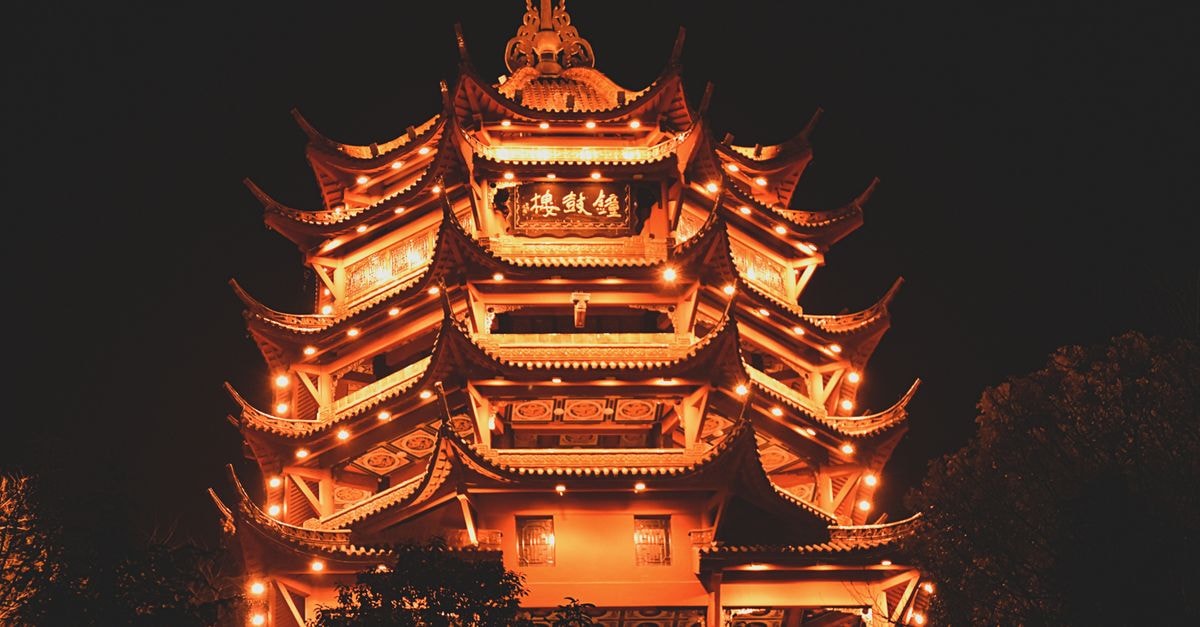
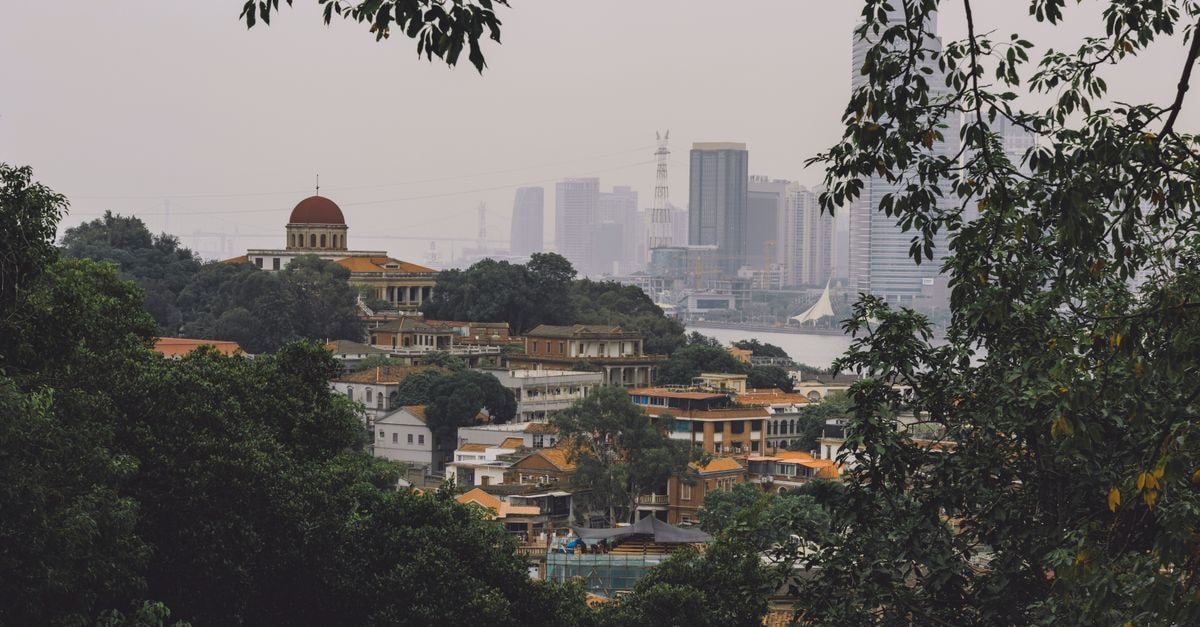
Guiyang, the capital of Guizhou province in southwest China, has a personality that often surprises first-time visitors. The city sits in a landscape of karst hills and rolling greenery, and its streets carry a particular kind of energy shaped by the many minority communities who call this part of China home. Travelers who spend time here often leave with vivid memories of color, song, and a food scene that rewards the curious palate.
This guide is built for independent travelers who want a grounded, practical introduction to the city. Rather than promising a packed checklist, it focuses on the three pillars that tend to shape a good first visit: how to arrive and move around, what gives the city its cultural rhythm, and what to put on the table at mealtimes.
Getting Around
For most travelers, the journey into Guiyang begins at the airport. Guiyang Longdongbao International Airport sits roughly 11 kilometers from the city center, a relatively short hop that gives you several sensible options for the final leg. Airport coaches, taxis, and shuttle buses all connect arriving passengers with downtown Guiyang, which means you can choose the mode that matches your luggage, your arrival time, and your appetite for convenience.
If you are traveling light and want the simplest route to a specific hotel or district, a taxi is often the most direct choice. Coaches and shuttle buses tend to work well for travelers who prefer a set price and a fixed pickup pattern, and they usually drop passengers at central points that are easy to continue from by local transport. Whichever option you pick, the short distance means the transfer rarely feels like a chore, and you will typically be settling into your accommodation before the day has properly begun.
Once you are in the city itself, the practical work of getting from one neighborhood to the next is best handled with a flexible approach. Taxis and ride-hailing services handle the hilly terrain comfortably, and the relatively compact center makes short hops easy. As with many Chinese cities, having a translation app ready and your destination written in Chinese characters can smooth out small frictions along the way.
Attractions and Planning
Guiyang has a way of lingering in memory through its people as much as its places. Those who know the city will always remember it for the many minority group people in their colorful traditional costumes and ornaments, their singing and dancing during the festival occasions. That human texture is part of what makes a visit here feel distinct from other stops in China, and it is worth building your days with room for unexpected encounters, not just a fixed list of sights.
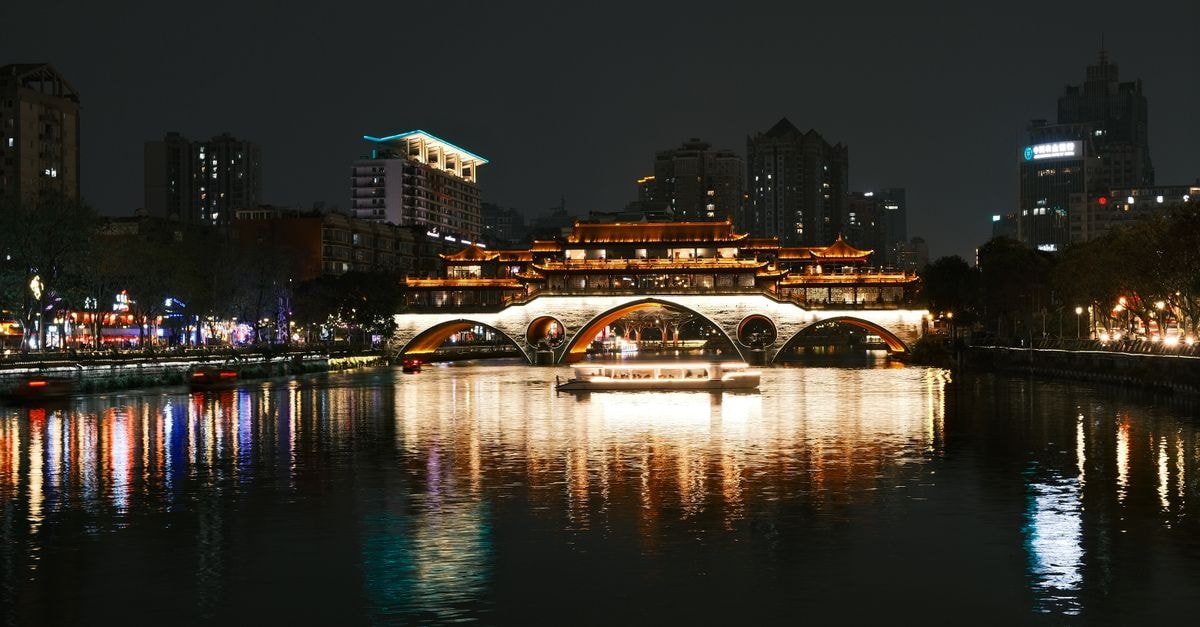
Among the city's landmark green spaces, Flower Stream Park is one of the most evocative. Named after the Flower Stream River, the park is often referred to as China's first love river, and the name alone gives a hint of the romantic, slightly old-fashioned atmosphere that draws couples, families, and evening strollers. The riverside paths, the seasonal blooms, and the gentle pace of life here offer a soft counterpoint to the busier parts of the city center, and it is the kind of place that rewards a slow afternoon rather than a rushed photo stop.
When planning your days, think in terms of textures rather than tick-boxes. A morning spent wandering a neighborhood market, an afternoon by the river in Flower Stream Park, and an evening where you leave space for the sounds of festival drumming or a chance encounter with traditional dance will often say more about Guiyang than a tightly scheduled itinerary. The city rewards travelers who treat its cultural life as part of the sightseeing, not a separate item to fit in.
Food and Local Context
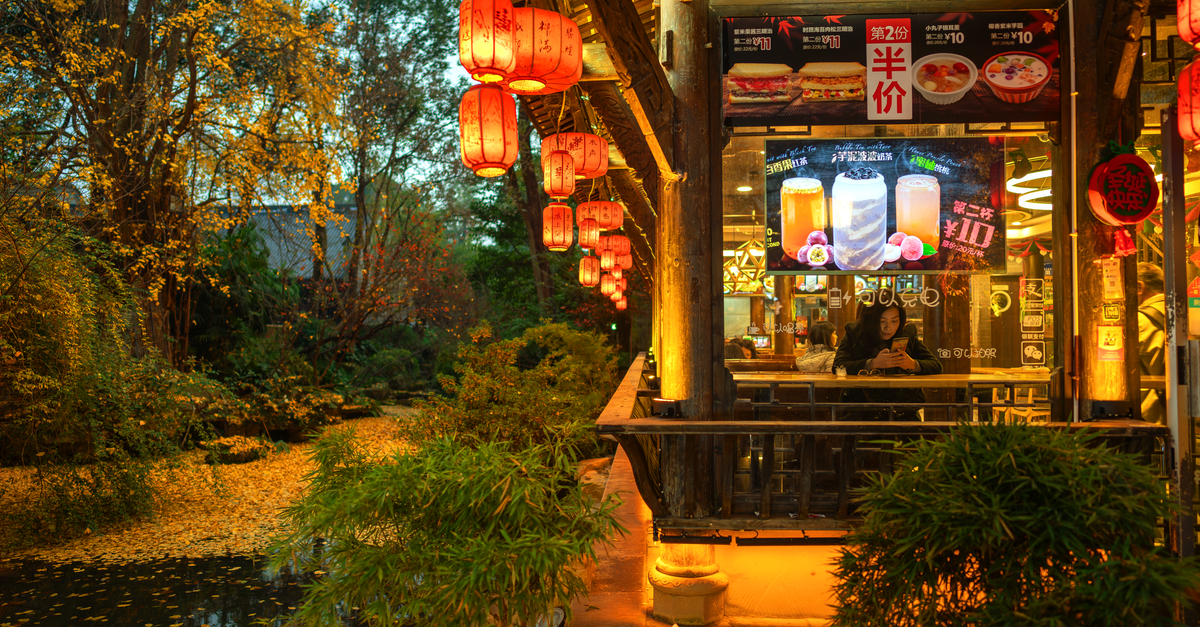
Food is one of the most approachable ways to read Guiyang, and the local kitchen has a few touchstones that any curious traveler should know. Favorites include Guiyang rice noodles and refreshing cold dishes, which together give a useful introduction to the city's flavor profile. The rice noodles in particular are a daily staple, served in countless small variations across breakfast stalls and neighborhood restaurants, while the cold dishes offer a bright, often spicy counterpoint that reflects the wider Guizhou love of bold seasoning.
These culinary delights showcase Guiyang's rich food culture and vibrant flavors, and the best way to experience that is to eat where locals eat. Small, busy spots with a few shared tables and a steaming pot of broth are often where the most memorable bowls turn up, and the pace of service tends to be brisk and friendly. If you are new to the style, start with a simple bowl of noodles and a couple of cold side dishes, then build from there as your palate adjusts.
It also helps to know that you are eating within a wider Chinese food culture that prizes freshness, regional pride, and the slow accumulation of local taste. Diners may encounter familiar broader Chinese patterns such as shared dishes in the middle of the table, tea served alongside meals, and a casual approach to mealtimes that treats eating as a social ritual as much as a refueling stop. None of this is unique to Guiyang, but it is the rhythm you will settle into as you explore the city's tables.
Finally, a word of practical context. The official city portal at english.guiyang.gov.cn gathers scenic spots, food, hotels, transportation, and travel tips in one place under a "Visiting" section, and it is a sensible bookmark for visitors who want a single starting point for official information and updates during their stay.
A Few Final Notes for Visitors
A little preparation goes a long way in Guiyang. Keep a translation app handy for reading menus and signs, carry some cash for smaller vendors alongside whatever mobile payment options you have set up, and leave unstructured time in your day for the moments that cannot be planned in advance. The city has a habit of offering its most memorable experiences in the spaces between scheduled activities.
Factual travel conditions can change at short notice, so before and during your trip it is worth checking official channels for the latest information on transport, opening hours, and any local notices that may affect your plans. Treat this guide as a starting framework rather than a fixed blueprint, and let the city itself fill in the details once you arrive.
Share this article
TOOLS FOR THIS PLAN
Make the Guiyang plan measurable
Choose a tool only when it answers the next question in your trip. Your values stay in the browser, and each tool offers a route back to this planning context.