A gentle first look at Anshun

Tucked into the western part of Guizhou Province, Anshun has the unhurried feel of a smaller Chinese city where the pace softens and the surrounding landscape still feels close. The city serves as a natural base for travelers who want to slow down and explore the region at an easy rhythm, rather than tick off a long checklist. Streets tend to move at a calmer tempo than in China's largest hubs, and the surrounding hills and karst scenery shape the everyday backdrop of a visit here.
This guide is built for the kind of traveler who appreciates natural scenery, enjoys simple regional meals, and prefers to plan a trip around a few quality anchors rather than a packed schedule. The notes below focus on what's genuinely useful: how to move around, what to prioritize once you arrive, and what to expect when you sit down to eat. Think of it as a calm, well-mapped starting point for an Anshun trip you can shape in your own way.
Getting around
Anshun's size works in its favor. The city itself does not have a metro or tram system, which means getting around is a refreshingly simple affair of buses, taxis, and the rhythm of the street. Most travelers find that they don't need to master anything more complicated than the local bus network to feel oriented.
The municipal bus network covers most city areas and connects to nearby towns and some attractions, which makes it a practical option once you've settled in. For visitors who prefer to keep things effortless, taxis and ride-hailing services offer a straightforward way to bridge the gaps between the bus routes and wherever you're headed. Because the city is compact by Chinese standards, distances tend to be short and traffic moves at a manageable pace.
For longer journeys, Anshun is well connected to the rest of China. Transportation between Anshun and other cities in China became more convenient with the opening of Huangguoshu Airport in 2006, which gave the western part of Guizhou a dedicated aviation link. Today the airport does more than just move passengers; it functions as an important window into Anshun for visitors, and it reinforces the city's role as the tourist center of the Guizhou West Tour Line. Flights, long-distance buses, and rail connections together mean you can usually choose between air and overland depending on where you're coming from and how you like to travel.
A relaxed rhythm tends to suit Anshun well. Plan on giving yourself time between activities, especially if you're heading out to the scenic areas on the edges of the city, and you'll find the day flows naturally rather than feeling rushed.
Attractions and planning
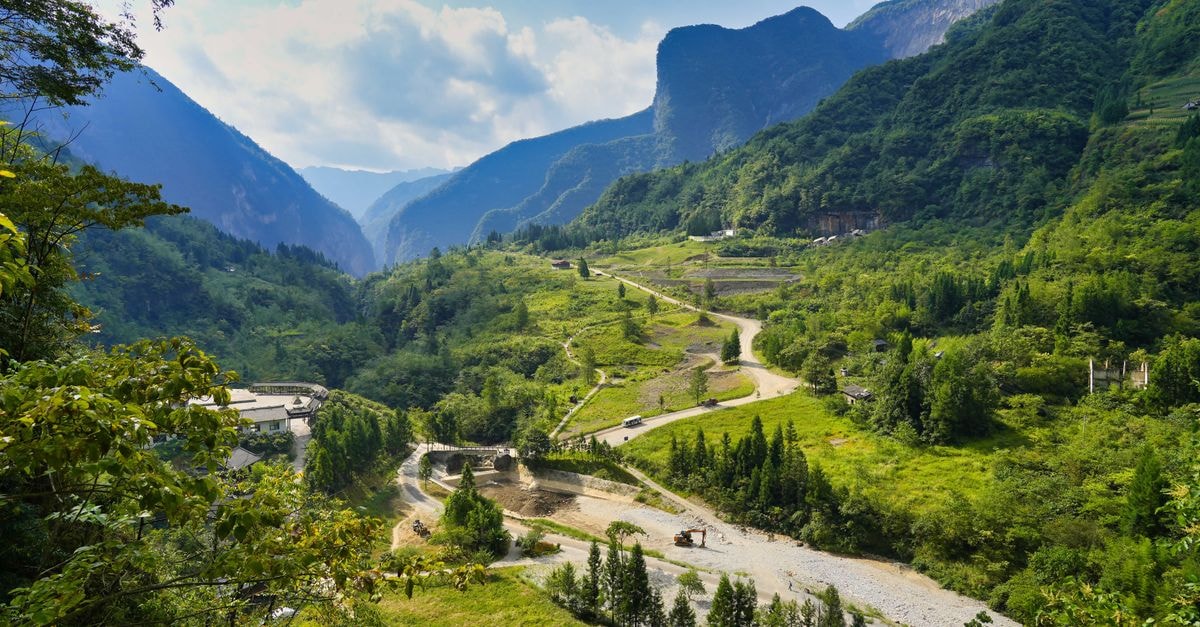
Anshun's reputation as a destination rests largely on the natural scenery that surrounds it. The region is known for dramatic karst formations, quiet caves, and waterfalls that feel wonderfully removed from urban life. If you're visiting for the first time and want to anchor your trip around one defining experience, the obvious choice sits just outside the city.
Huangguoshu Waterfall is widely regarded as the headline attraction, rated as a National AAAAA Level scenic area, and it's the place most first-time visitors make their priority. It's the kind of site that gives Anshun its identity on the travel map, and it rewards the kind of unhurried traveler who enjoys standing still and simply taking in the view. Plan to give it a generous block of time rather than a quick stopover.
Another natural-scenery highlight worth knowing about is the Dragon Palace Cave Scenic Spot, another of the area's top draws. Cave systems in this part of Guizhou tend to feel atmospheric and otherworldly, with cool air, reflective water, and dramatic rock formations. If you enjoy geology, photography, or simply being inside a landscape that feels almost cinematic, this is a worthwhile complement to the waterfall.
Because Anshun's biggest draws are natural rather than urban, a sensible approach is to plan one major scenic outing per day and leave the rest of the schedule open. Build in buffer time for travel between the city and the scenic areas, and resist the urge to layer too many stops into a single day. The reward here is spaciousness, and the trip feels best when you let it breathe.
A small practical note: because these are outdoor natural sites, comfortable shoes and a flexible mindset tend to matter more than a tightly packed schedule. Weather can shape the experience of waterfalls and caves, so a little patience goes a long way.
Food and local context
Food is a defining part of the Anshun travel experience, so much so that "Dining in Anshun" has become a well-known tag line and plays an important role in the development of the travel industry in the city. That's not just marketing; it's a reflection of how strongly local cuisine shapes a visitor's impression of the place. When people talk about their trips to Anshun, the meals tend to come up as readily as the scenery.
Anshun's culinary identity sits within the broader Guizhou food tradition, which is known across China for its bold flavors, generous use of chilies, and the way it brings together fermented, pickled, and fresh ingredients. Visitors who enjoy adventurous eating will find plenty to explore, while those who prefer milder flavors can usually ask for adjustments or look for simpler staples. Either way, the experience of sitting down to a Guizhou meal in its home region is genuinely different from eating the same cuisine elsewhere in China.
If you're based in a larger or mid-sized city in China before your trip, you may already have noticed Guizhou cuisine restaurants on the dining scene, since the food has traveled well beyond its home province. That context is useful as a reference point, but it's worth treating the regional experience as its own thing. Dishes in Anshun tend to feel fresher, more vivid, and more closely tied to local ingredients and traditions than what you might find in a Guizhou restaurant in another city.
A relaxed way to enjoy the food scene is simply to let meals happen organically. Wander a little, follow what looks lively, and don't be afraid to step into a busy local place rather than a polished restaurant. The everyday spots often turn out to be the most memorable part of a trip here.
A few quiet pointers
Travelers who enjoy the rhythm of smaller Chinese cities tend to feel especially at home in Anshun. The combination of straightforward transport, a few genuinely beautiful natural sites, and a strong food culture makes the city feel like a place where you can settle into a slower pace without missing out on the highlights. Give yourself enough time to enjoy a meal without rushing, and pick one or two scenic anchors rather than trying to do everything at once.
A practical reminder before you go: travel conditions and on-the-ground details can shift over time, so it's always wise to verify transportation, opening hours, and any ticketing information through official channels shortly before your trip. Treat this guide as a starting framework, and let your own curiosity shape the details once you arrive.
---
*Note: Factual travel conditions can change. Please verify transportation options, attraction opening hours, and any practical details through official channels before departure.*
Share this article
TOOLS FOR THIS PLAN
Make the Anshun plan measurable
Choose a tool only when it answers the next question in your trip. Your values stay in the browser, and each tool offers a route back to this planning context.