A first look at Imphal
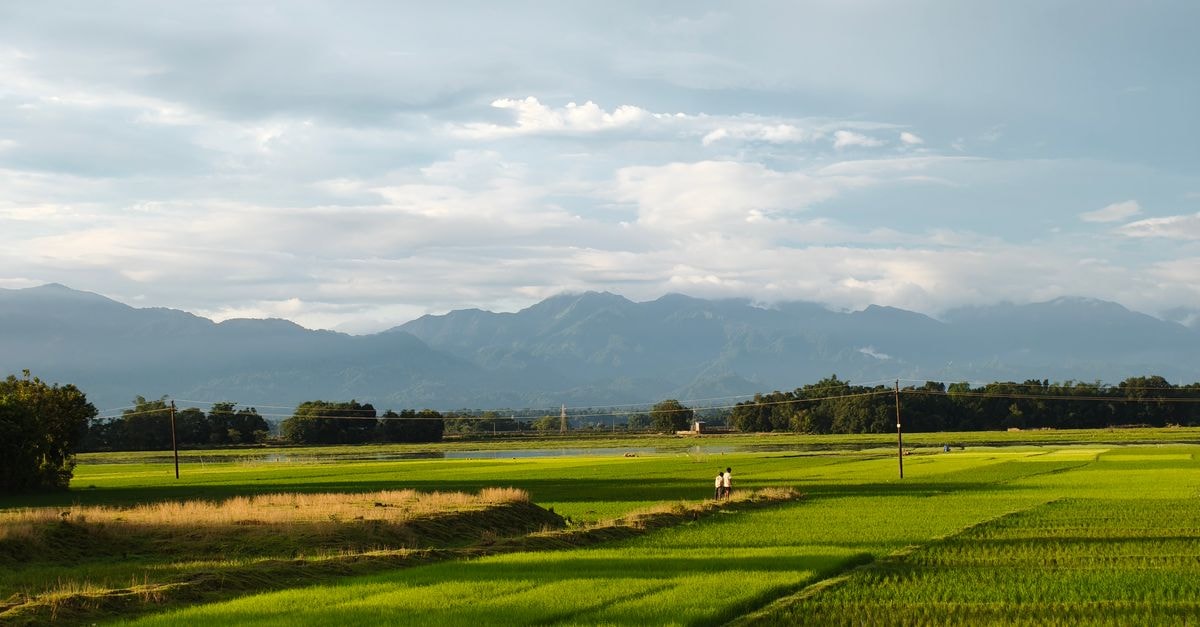
This guide keeps things simple, focusing on the information a first-time visitor genuinely needs: how to arrive from the air or the nearest railhead, what to expect from accommodation options, and how food fits into the wider Indian dining culture you may encounter while traveling.
Getting around
Imphal's airport is one of the most useful entry points. Imphal International Airport sits roughly 8 km from the city center, on the southern side of National Highway 150, which makes the transfer between terminal and town relatively short (F1-1). Public transport links the airport to the city center along the Imphal Churachandpur State Highway, also referred to as Tiddim Road, so a traveler stepping off a flight has a road that points back into the urban area (F1-2). The distance is modest, and the route is straightforward, which is reassuring for anyone arriving late or with luggage in tow.
For travelers approaching Imphal by rail, the practical pattern is to break the journey before the final leg. The nearest railheads to Imphal are Guwahati and Dimapur, and from either of those cities the rest of the trip is usually completed by bus or by continuing on to a flight (F2-1). This is the standard arrangement for much of India's northeast, where the rail network meets mountainous terrain and road or air transport fills the last stretch. If you prefer to keep the journey as seamless as possible, an onward flight from either railhead is worth considering; if you prefer to watch the landscape change, a road transfer adds its own slow, scenic character to the trip.
Within the city itself, planning short trips around the airport route, the main highway, and the road toward Churachandpur is usually enough for a first visit. The compact geography of Imphal means that most of the practical orientation you need fits on a small mental map.
Food and local context
Food in India is more than just sustenance, and understanding that framing is useful for visitors anywhere in the country (F5-2). Across the country, meals are woven into rituals, festivals, and social gatherings, so a shared plate, a hand-prepared snack, or a cup of tea offered during a visit is part of how people connect (F5-2). Approaching the table with that awareness tends to make small interactions feel warmer, whether you are eating at a hotel dining room, stopping at a roadside stall, or being invited to share a meal.
Choosing what fits the trip
A few simple tradeoffs shape the texture of a visit. If arriving by air works for your route, the 8 km transfer from Imphal International Airport is short and direct, which may suit travelers who want to settle in quickly. If a slower, scenic arrival appeals more, breaking the journey at Guwahati or Dimapur and continuing by bus or by air lets you ease into Manipur's landscape (F2-1). For travelers who value flexibility, the easy availability of modern accommodation in the city reduces the pressure to plan every night in advance (F3-1). For travelers who want cultural texture rather than only sightseeing, the wider Indian dining culture provides a useful frame for the meals you will encounter, from country-wide traditions to regional kitchens across India (F4-1, F5-1, F5-2, F4-2).
A note before you go
Travel conditions in any Indian city can shift quickly, and Imphal is no exception. Roads, transport links, and local services evolve over time, so it is worth checking the latest information through official channels and your hotel or guesthouse before setting out. Currency, weather, and operational details change, and a brief verification step the day before a planned transfer or outing is a sensible habit anywhere in the country.
Share this article
TOOLS FOR THIS PLAN
Make the Imphal plan measurable
Choose a tool only when it answers the next question in your trip. Your values stay in the browser, and each tool offers a route back to this planning context.