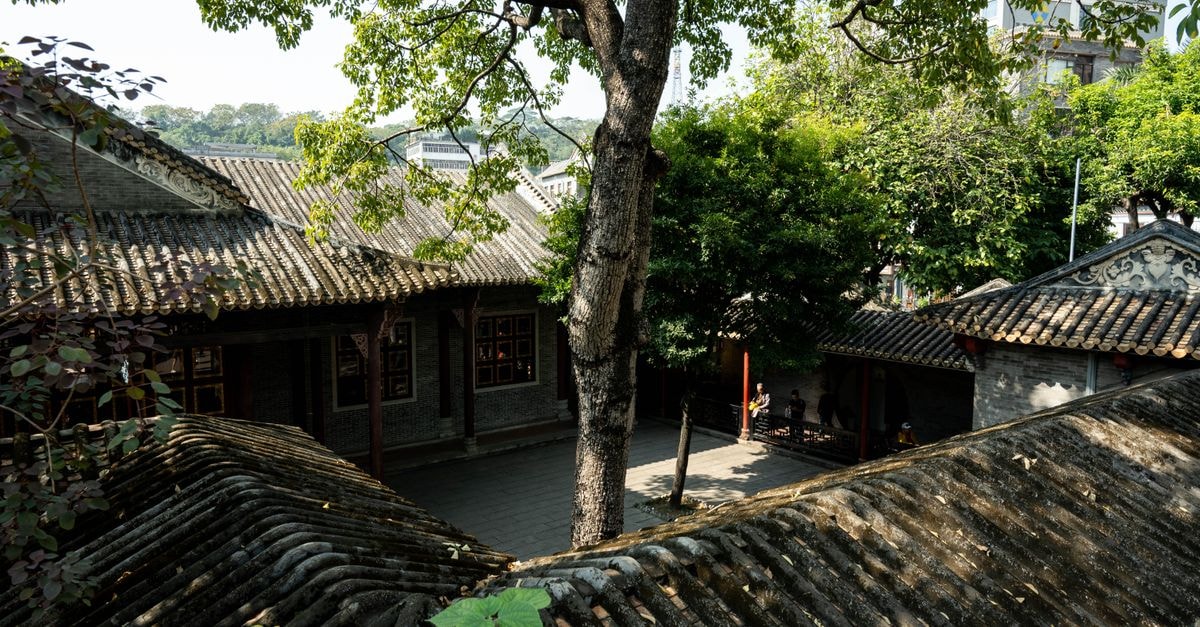
A city shaped by water and migration

There's something quietly cinematic about arriving in a place whose very name means "River Gate." Jiangmen sits in south-central Guangdong where the West River meets the Peng River, a confluence that has shaped its identity for generations. The geography does the talking: the city covers a land area of 9,535 square kilometers and a sea area of 4,880, with a coastline that stretches 409 kilometers and includes 352 islands, giving it the second-largest island count in Guangdong province. Locals often describe the landscape in terms of its surrounding peaks, with Mount Yandun to the south and Mount Penglai across the river, forming a natural gateway that travelers tend to appreciate as much for the views as for the symbolism.
Beyond the scenery, Jiangmen carries a strong cultural identity as a hometown of many overseas Chinese. That diaspora heritage is woven into everyday life, from architecture to family histories, and it gives the city a layered, outward-looking feel that rewards slow wandering rather than checklist sightseeing.
Weather and seasonal context
Jiangmen's climate is shaped by its riverside and coastal position, with warm, humid conditions through much of the year. The city sits at the western edge of the Pearl River estuary, which means weather patterns often reflect broader Guangdong conditions. Visitors should expect a humid subtropical feel, with the kind of lush, green atmosphere that follows from so much water meeting so much land.
Because the Pearl River system and the surrounding seas moderate temperatures, the climate can feel gentler than inland Guangdong cities, though humidity remains a constant companion. Travelers who pace their days with a midday break tend to find the experience more rewarding, especially when planning time near the coast or on any of the 352 islands that dot the local waters.
It's worth packing for humidity rather than chasing a single temperature range. Light, breathable layers, a compact umbrella, and footwear that handles damp surfaces comfortably will serve you well across most visits. The water around the city is part of its character, so building in time to enjoy a riverfront stroll or simply sit and watch the light shift over the water often becomes a highlight.
Getting around and regional context
Jiangmen sits at a useful crossroads in western Guangdong. The city is bordered by Zhongshan and Zhuhai to the east, Yangjiang to the west, and Foshan and Yunfu to the north. That positioning makes it a natural pause point for travelers exploring the wider Pearl River Delta region, whether they're moving between coastal destinations or heading inland.
The region's roads connect Jiangmen smoothly to its neighbors, and the city's identity is tied to the water that surrounds it. The coastline and the river estuaries have long been the highways of choice, and modern transport follows that same logic, threading through valleys and along the shore. For visitors, the practical implication is that Jiangmen works well as a base for slow exploration, with day-length excursions possible in several directions.
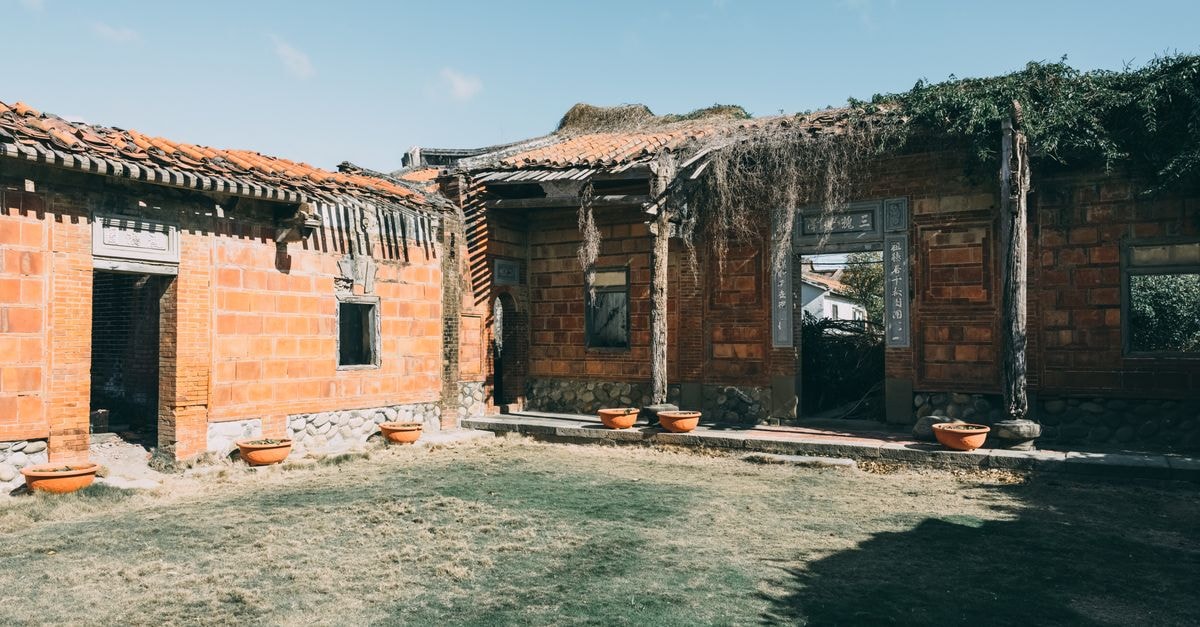
One architectural signature travelers will encounter across the wider region is the diaolou, a distinctive multi-storey building that fuses Chinese and Western architectural styles and integrates defensive and residential functions. These structures stand as a testament to the meeting of cultures that has long defined this corner of Guangdong, and they offer a fascinating window into the area's history.
Food and local context
Eating in Jiangmen happens within a much wider Chinese culinary tradition, one that prizes variety, ritual, and the social bonds that meals create. Across China, food is treated as one of the great cultural expressions, and dining is considered both a daily pleasure and a social art form.
Chinese dining culture has developed alongside a long history of ritual and etiquette, and visitors will find that meals are occasions for connection rather than mere refueling. Sharing dishes family-style, the rhythm of ordering in courses, and the pleasure of lingering over tea afterward are all part of the experience. In Jiangmen, that wider Chinese food culture meets a city with deep overseas connections, which often means menus and kitchen traditions reflect influences from abroad as well as the rich local Guangdong canon.
Travelers approaching Jiangmen with culinary curiosity will find that the best experiences tend to come from leaning into the local rhythm: asking what's fresh, accepting recommendations, and giving meals the time they deserve. The diaspora heritage of the city also means that some establishments may serve dishes with overseas Chinese influences, a reminder of how food travels alongside the people who carry it.
The draw of water and quiet discovery
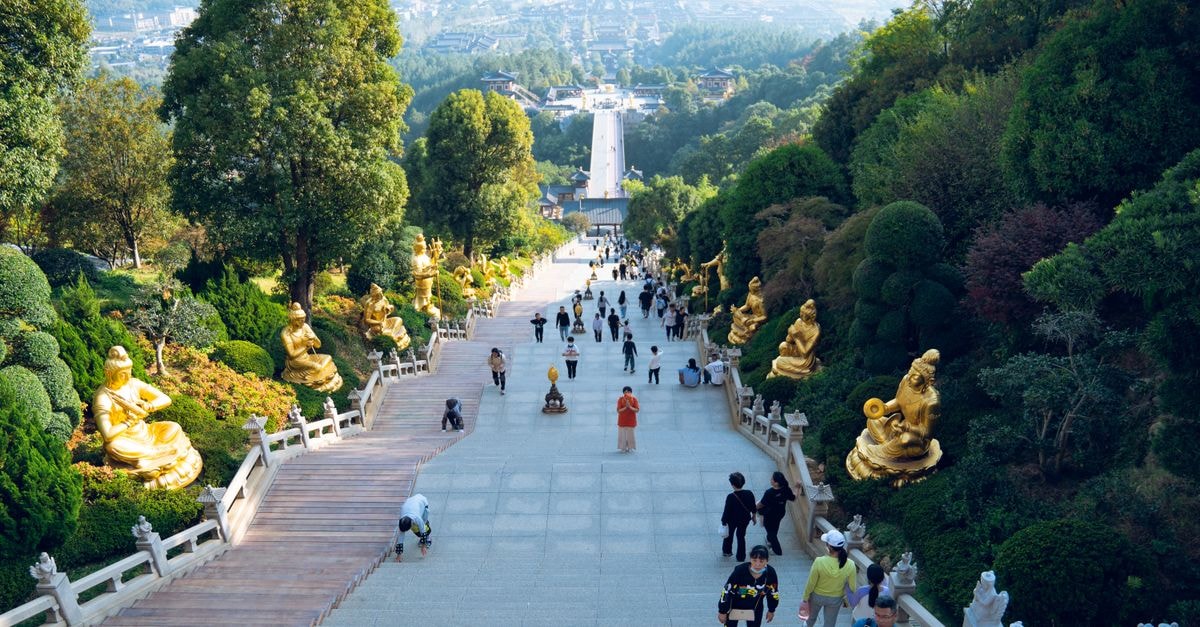
What stays with visitors to Jiangmen is often less a single landmark and more a quality of place. The river, the coast, the islands, and the surrounding mountains combine into a setting that rewards unhurried exploration. Travelers who come expecting a fast-paced city experience may want to recalibrate; those who arrive ready to wander riverfront paths, watch the tide, and follow local recommendations tend to leave with a much richer impression.
The diaolou scattered through the region add an architectural counterpoint to the natural scenery, each one a small conversation between East and West. Together with the surrounding villages, they hint at the stories of migration and return that have shaped Jiangmen for generations. Even a short visit can leave you with a sense of why so many people from this corner of Guangdong have set out across the world, and why so many of them still think of it as home.
A practical mindset for the journey
Jiangmen rewards travelers who treat it as a place to settle into rather than race through. Build in flexibility for weather, especially given the humidity that comes with the river-and-sea setting, and plan your heaviest outdoor time for the cooler parts of the day. Keep meals social and unhurried, embrace the local food culture, and let the riverside pace set the tone for your stay.
Above all, remember that travel conditions, opening hours, and local services can change. Treat this guide as a starting point for understanding Jiangmen's character and layout, and verify any specific plans through official channels before you depart. With that approach, a visit to the "River Gate" becomes less about ticking off sights and more about stepping into a place where water, migration, and culture meet in a distinctly Guangdong way.
---
A note on accuracy: Travel conditions, prices, transport schedules, and local services can change without notice. Please verify specific details through official channels before your trip.
Share this article
TOOLS FOR THIS PLAN
Make the Jiangmen plan measurable
Choose a tool only when it answers the next question in your trip. Your values stay in the browser, and each tool offers a route back to this planning context.