A two-thousand-year pause in the Deccan

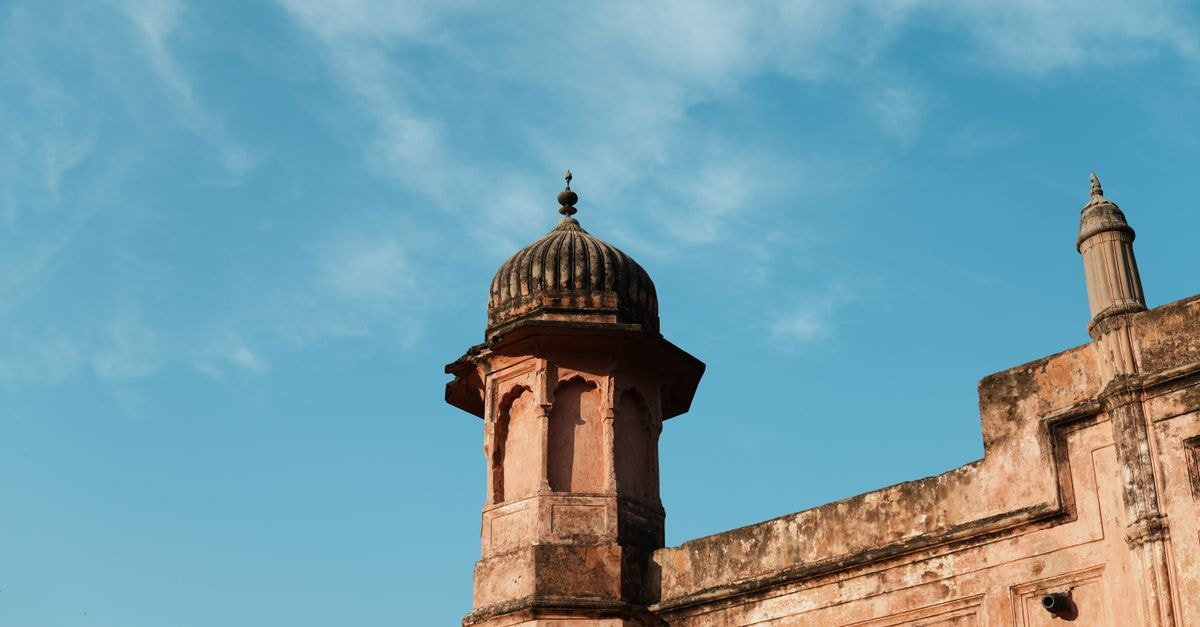
Kurnool wears its age lightly. The city has been settled for more than two thousand years, and the easiest way to feel that depth is to start at the old fort complex in the heart of town, where a granite hillock once anchored the defences of the Vijayanagara-era rulers. Today the area reads as a layered open-air museum: a small part of fortification, a quiet religious footprint on the summit, and a curious cell carved into the rock that became a prison in later years. Walk slowly here. The lanes around the fort are narrow and the sun can be strong, so a slow morning loop, one landmark at a time, suits the place far better than a checklist dash.
If your trip is weighted toward heritage and old stone, Kurnool rewards a full day around its central quarter; if you prefer river-town stillness, the broader district offers long, contemplative stops within a few hours by road.
Weather and seasonal context
Weather information for Kurnool should always be checked against a live forecast before you travel, since conditions in the Deccan plateau can shift week to week. As a general sense of what to expect, the city sits inland on a sun-warmed plateau, so daylight hours can feel hot and bright, while mornings and evenings tend to be cooler and more comfortable for walking. Light cottons, a wide-brimmed hat, and a refillable water bottle are sensible companions for any time of year.
If you prefer to keep your sightseeing to gentler hours, consider an early start with a long midday rest in shade, and then a second loop in the late afternoon when the stones begin to glow. Travellers sensitive to heat may want to build in those indoor or shaded breaks rather than pushing through the warmest part of the day.
Getting to and around the city
Kurnool's road access is one of its clearest practical advantages. The city sits on two major national highways: NH44, which traces the long spine of India from Srinagar down to Kanyakumari, and NH40, which links the Chittoor region to Kurnool. That means most approaches from elsewhere in the Deccan and the south pass through well-maintained corridors, and signage is generally easy to follow if you arrive by car, bus, or hired cab.
For travellers flying in, the most useful airports in the region are Hyderabad (HYD) and Bengaluru (BLR), both of which offer a much wider choice of flights and connections than smaller local airstrips. From either airport, Kurnool is reachable by a full overland leg on the national highways above, so most visitors combine the airport transfer with a road journey of several hours.
Heritage highlights and how to plan them
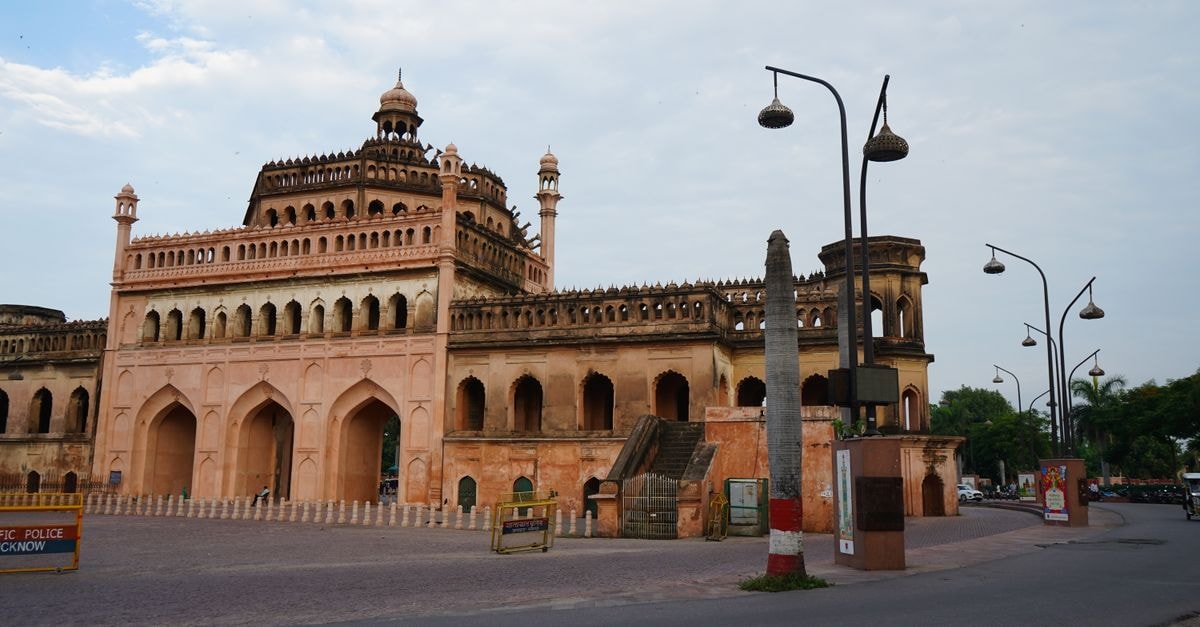
The fort quarter is the natural anchor for any heritage itinerary. The rock mound rises from the older part of the city, and the buruju structure on top is a defining landmark of central Kurnool. Historically, the area that includes this buruju formed part of the larger Kurnool fort complex, and one section of those fortifications was repurposed as a prison, where the revolutionary Konda Reddy is remembered as having attained martyrdom. That history gives the hillock a layered feel: a Vijayanagara-era defensive site, a later colonial-era prison cell, and a place of remembrance rolled into one short climb.
Allow time at the foot of the rock to read the small memorials, then ascend in cool hours if you can. The summit offers a generous view over the surrounding rooftops, which helps place the rest of the city in context before you move on.
Beyond the central fort area, the wider district extends toward the Tungabhadra river, and within roughly 90 kilometres of the city lies Mantralayam, a pilgrimage town set on the banks of the Tungabhadra. Its importance comes from the jeeva samadhi of the Madhva philosopher-saint Sri Raghavendra Swamy, which draws a steady stream of devotees through the year. If your interest runs to temple towns and contemplative river settings rather than purely urban sightseeing, this is the most natural counterpart to the fort area within a reasonable day; if you prefer to stay inside Kurnool itself, the central heritage cluster is rich enough to fill a full visit on its own.
A note for travellers who like quiet reflection: the fort area and the riverside pilgrim sites reward slow, low-key visits. Bringing a small notebook, sitting on a shaded step, and watching daily rhythms tend to work better than rushing from one monument to the next.
Food and local context
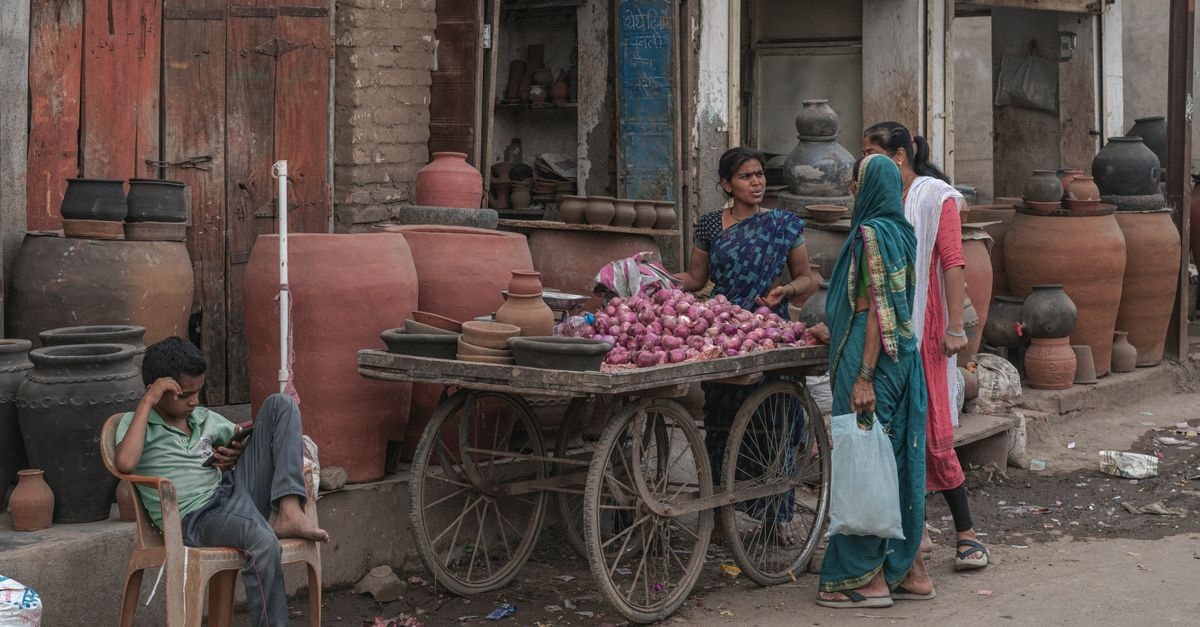
Kurnool sits within a much wider Indian food culture, and it helps to arrive with a sense of that broader context. Across the country, food is more than everyday sustenance: it threads into rituals, festivals, and the way families and friends gather, and regional kitchens each carry their own grain, spice, and rhythm. Travelling through any Indian city, including Kurnool, offers a chance to notice those layers: how a meal is shared, how a thali is laid out, how a sweet is offered at the end, and how tea punctuates long conversations.
Picking what fits your trip
If your interest leans toward stone-built heritage, base yourself near the central fort quarter and let one or two monuments fill your days, walking the lanes between them and pausing often. If river-town pilgrimage places and slow temple visits pull you more strongly, plan a longer loop that includes the Tungabhadra-side town within the broader district and keep urban time minimal. If food is your main lens, slow your pace inside the city and use meal times as your main anchor, with heritage stops fitted around them. Most travellers will do best by combining just two of these threads rather than trying to cover all of them.
A quick note before you go
Treat distances, highway conditions, and local transport details as references rather than guarantees; confirm road status and any opening or access details through current official channels before you set out. Factual travel conditions can change, and a brief check before departure is the simplest way to keep plans smooth.
Share this article
TOOLS FOR THIS PLAN
Make the Kurnool plan measurable
Choose a tool only when it answers the next question in your trip. Your values stay in the browser, and each tool offers a route back to this planning context.