There is a particular hush that settles over Kashan once you step away from the road. It is the hush of a historical Iranian city that has lived for centuries at the edge of the desert, watching caravans come and go, and it rewards visitors who arrive ready to wander rather than rush.
Setting the scene in Kashan
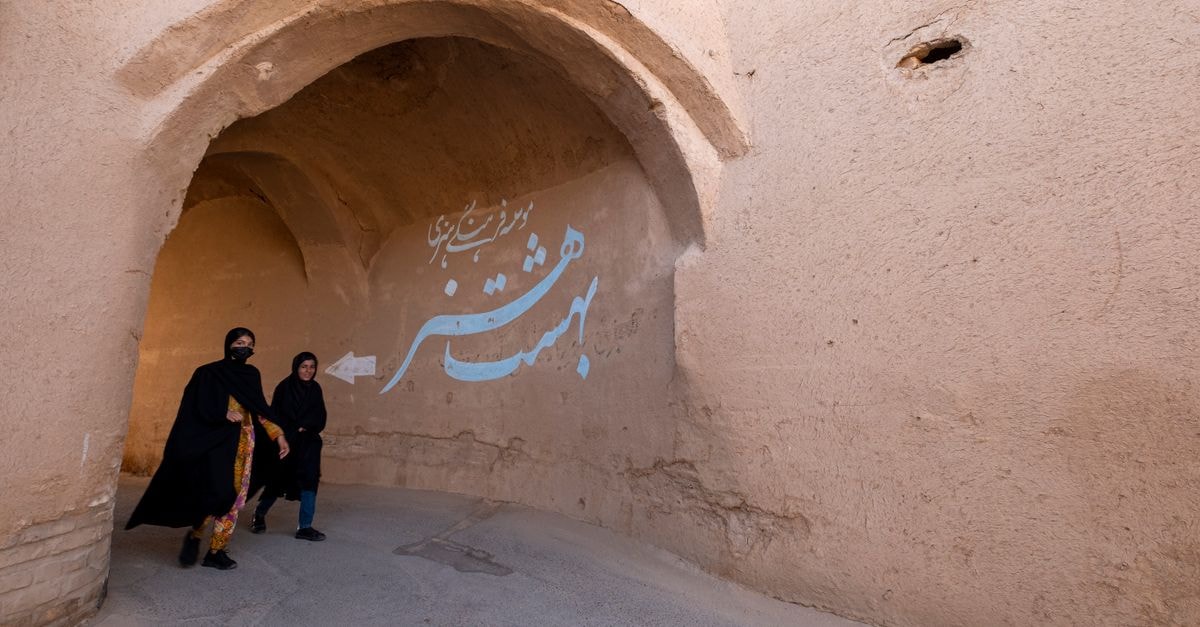
Kashan sits within Isfahan province and is counted among Iran's notable historical cities, a place where layered pasts are simply part of the everyday scenery rather than something sealed behind glass. That sense of accumulated time is one of the first things travellers tend to notice, even before they have ticked off a single sight. The city has long carried a reputation for offering plenty for visitors to take in, which is one reason it draws curious travellers who want more than a stopover between larger hubs.
Getting around
Getting the texture of Kashan is, frankly, more rewarding than racing through it. The old bazaar and the lanes that fan out from it remain a must-do, not just for what you might buy, but for the way the neighbourhood hums around it. Walking the bazaar and the nearby streets is a way to catch the feeling of an Iranian town perched on the fringe of the desert, and it sets the tone for the rest of a visit. If you are the kind of traveller who prefers a more narrated experience, driver-guides based in the area can shape a route around your interests; one option that local guides sometimes arrange is a transfer to the airport with a stopover in Qom to visit the Shrine of Fatima-al-Masomeh. That said, treat such add-on stops as a possibility to ask about rather than a built-in plan, since guide arrangements and timing vary. Visitors who prefer to keep the day on foot may want to focus the morning on the bazaar and its surrounding lanes, then regroup for a slower afternoon.
Attractions and planning
Kashan has a lot to offer visitors, and the city's historical weight is part of the appeal rather than a backdrop. As a historical city of Isfahan province, it lends itself to the kind of unhurried exploration where you read plaques, watch light shift across old walls, and then drift into a quiet teahouse to make sense of it all. A practical approach is to think in terms of texture rather than tickboxes: pick one or two anchor stops you most want to see, leave breathing room for the streets between them, and let the bazaar act as the connective thread that ties your day together. Travellers who find long museum-style visits tiring may want to alternate a denser attraction stop with a longer, gentler walk through the lanes.
Food and local context
Food in Iran is best understood as part of the wider cultural fabric rather than a stand-alone checklist. Across the country, meals tend to unfold slowly, with shared dishes, bread on the table, and conversation carrying as much weight as what's on the plate. Visitors spending time in Kashan will be eating inside that broader Iranian rhythm, and the everyday rhythm of bread, rice, stews, and tea tends to surface wherever you sit down to eat. Rather than hunting for a specific signature dish in Kashan itself, it helps to lean into the national pattern: take meals at a relaxed pace, expect tea to arrive as a matter of course, and let the day's walking decide whether you reach for a light lunch or a more lingering supper. Travellers with gentler appetites at midday may want to keep evening meals as the main event, when kitchens are fully in flow and the pace around the table is at its most unhurried.
Choosing what fits your trip
Because Kashan is a city that rewards wandering more than rushing, the most useful decisions tend to happen before you arrive. Think about how much of the old town you want to absorb on foot, and how much you'd prefer to delegate to a driver-guide; the city suits both styles, but mixing them within a single day can feel disjointed. If a stop like the Shrine of Fatima-al-Masomeh in Qom genuinely interests you on the way to or from Kashan, ask a local guide early whether a stopover is feasible, since routes and timings vary. For pacing, plan one anchor attraction in the morning, a long bazaar-and-streets walk around midday, and leave the late afternoon open for whatever corner of the city has caught your attention. That balance tends to serve travellers who want substance without exhaustion, and it keeps the desert-edge quiet of the city from getting lost in a packed schedule.
A note before you go
A few practical points deserve a quick mention before you set out. The bazaar and surrounding streets are central to the Kashan experience, so it is worth confirming opening days and hours with your accommodation or a local contact before planning around them, since schedules can shift. For any shrine visit, including the one in Qom, dress codes and entry customs apply, and these are best checked in advance through official channels. Transport arrangements through driver-guides are typically arranged locally, so confirm pricing, pickup times, and inclusions directly with the provider rather than assuming a standard rate. Finally, treat any general travel guidance as a starting point; current rules, fees, and conditions in Iran can change, and a quick check with official or up-to-date local sources before departure will save surprises on the road.
Travelling through Kashan is less about collecting sights than about slowing down enough to let a historical Iranian city on the edge of the desert tell you something in its own time.
Share this article
TOOLS FOR THIS PLAN
Make the Kashan plan measurable
Choose a tool only when it answers the next question in your trip. Your values stay in the browser, and each tool offers a route back to this planning context.